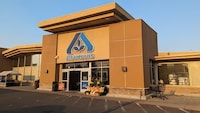

AI produce inspection is transforming grocery supply chains by using computer vision and machine learning to standardize freshness evaluations for highly perishable foods. Albertsons introduced its Intelligent Quality Control platform to support produce inspections for items such as strawberries and grapes across distribution centers. The system analyzes visual characteristics of fruits and vegetables against internal quality standards, helping inspectors make faster and more consistent decisions while reducing variability between shifts and locations. By integrating AI directly into operational workflows, the retailer can improve efficiency, strengthen quality control, and move fresh products to stores more quickly.
The rollout demonstrates how retailers are increasingly applying AI beyond customer-facing experiences and into backend logistics operations. As grocery companies face rising pressure to reduce food waste, improve supply chain visibility, and maintain product consistency, automated inspection technologies may become more common across produce distribution, inventory management, and food quality assurance systems.
Image Credit: Albertsons
Why This Trend Is Growing
- Computer Vision Quality Control
- The emergence of vision-based grading enables objective, repeatable assessments of produce appearance that can disrupt manual inspection workflows and enable centralized benchmarking of quality.
- Automated Freshness Scoring
- Machine-learning models estimating ripeness and spoilage levels open pathways for dynamic inventory prioritization driven by per-item freshness metrics rather than lot-level approximations.
- Distributed Inspection Standardization
- Standardized AI inspection across locations creates a unified quality language that can transform supplier contracts, pricing, and cross-site performance measurement.
Industries Being Reshaped
- Retail Grocery
- AI-enabled produce grading presents opportunities for retailers to reduce shrink and optimize shelf replenishment through more precise condition data tied to individual items.
- Food Supply Chain Logistics
- Real-time visual quality data flowing through distribution networks can shift logistics planning toward freshness-preserving routing and prioritized handling of high-risk items.
- Food Safety and Quality Assurance
- Integrating automated inspection outputs with compliance systems can lead to traceable, auditable quality records that change how recalls and supplier audits are managed.