

Generative AI is being packaged as editable support for creative production
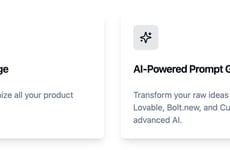
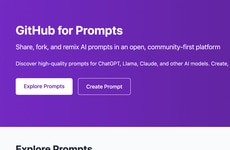
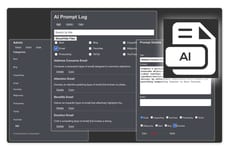
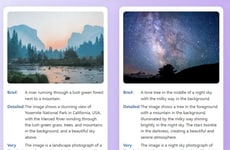
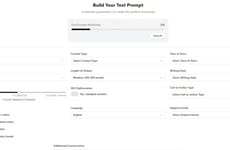
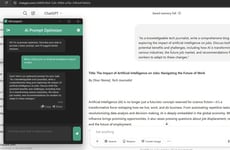
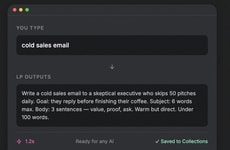
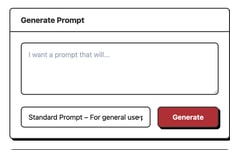
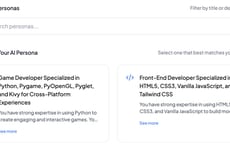
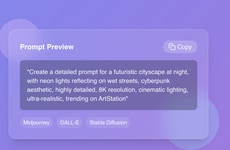
Trend - Generative artificial intelligence software is expanding from single generators into broader creation stacks that include AI prompt libraries, prompt builders, and editing enhancers for editorial, image, and video production. This suggests the market is organizing around end-to-end assistance for speeding up drafts, variations, and creative experimentation.
Trigger - In the age of fast-paced digital production, consumers are facing growing pressures to produce polished content for work, side hustles, and personal creative pursuits. While generative software can alleviate some of the tedious process work associated with these ventures, many are wary of generic, low-trust AI outputs and do not want to give up their control or authorship of the final output. Interested in human-led systems, these users are prioritizing tools that frame AI as an editable teammate that can reduce the cognitive load of routine processes or writer's block, without taking over or undermining the creator's control over the final product.
Trend Themes
-
Editable AI Workflows — Creative software is shifting toward human-led copilots that combine generation, refinement, and editing, creating space for tools that preserve authorship while reducing repetitive production labor.
-
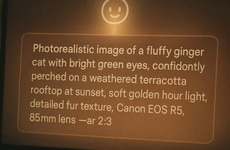
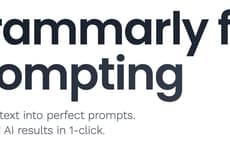
Prompt-led Creation — The growing importance of prompt quality is turning instructions into a creative asset, with opportunity emerging around libraries, builders, and optimization layers that make advanced AI outputs more reliable.
-
Accessible Visual Production — Text-to-image and text-to-video platforms are lowering technical barriers for polished media creation, opening new possibilities for small teams, solo creators, and non-designers to compete with studio-grade content.
Industry Implications
-
Creative Software — Design, writing, and editing platforms are being reshaped by embedded AI assistance that supports faster ideation, variation testing, and post-generation control within familiar production environments.
-
Digital Marketing — Content-heavy marketing teams are gaining new ways to produce campaign visuals, copy, and video assets at scale while maintaining brand direction through editable AI-supported workflows.
-
Media and Entertainment — Storytelling, social video, and digital publishing markets are being influenced by AI creation stacks that accelerate concept development and expand participation beyond traditionally trained producers.