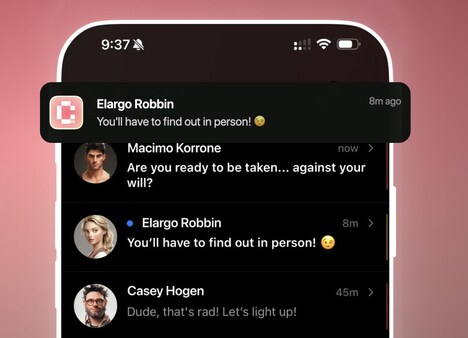
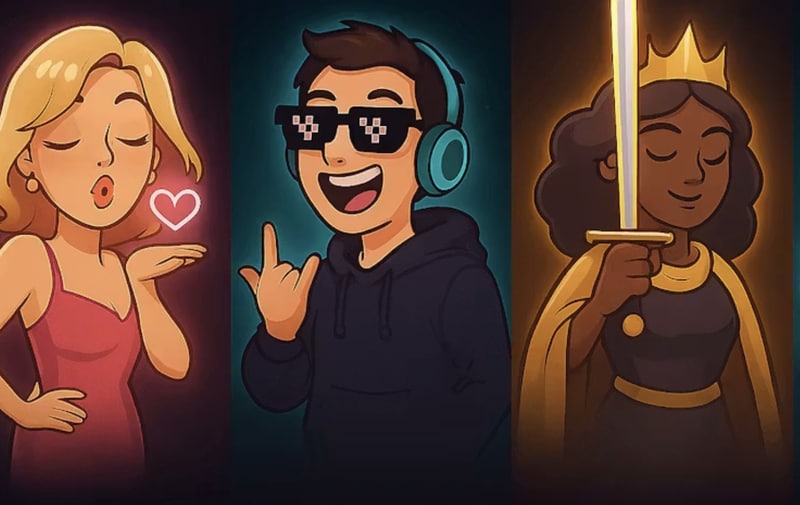
Most AI chat tools are designed for productivity or task completion, but not every interaction needs a goal -- Persona is a fun-first AI personality chat app that focuses on casual, expressive, and entertaining conversations. The platform offers over 15 unique AI personas with distinct tones and personalities, ranging from flirty and humorous to smart, chaotic, or lighthearted. Users can choose the vibe that matches their mood and start chatting instantly.
Unlike utility-focused assistants, Persona is built with no objectives, no pressure, and no structured outcomes. It’s designed purely for conversation—whether users want to joke, vent, flirt, or simply pass time in a more engaging way. Persona emphasizes emotional variety and personality-driven interaction. By offering different AI characters, it creates a flexible space for entertainment, expression, and spontaneous dialogue.
Image Credit: Persona
Key Themes Behind This Trend
- Entertainment-first AI
- Casual chatbots centered on fun rather than productivity create space for subscription-based digital companions, branded characters, and mood-driven engagement models.
- Personality-driven Interfaces
- Expressive AI personas introduce new ways for platforms to differentiate through tone, humor, emotional style, and character identity instead of feature utility alone.
- Mood-based Digital Companions
- Users seeking low-pressure interaction signal demand for adaptive conversational experiences that shift across flirting, venting, joking, and playful escapism.
Where This Applies
- Conversational AI
- The rise of persona-led chat experiences expands the market beyond task automation into entertainment, emotional engagement, and character-based interaction ecosystems.
- Digital Entertainment
- AI characters function as always-available interactive content, blending gaming, social media, and storytelling into personalized leisure experiences.
- Social Apps
- Platforms built around spontaneous AI conversation highlight opportunities for new social formats where companionship, self-expression, and private play replace traditional networking.