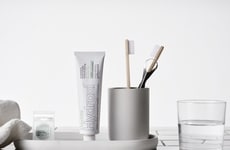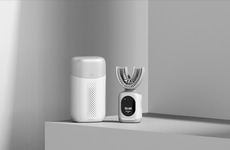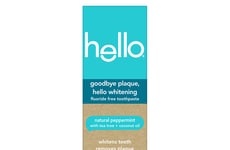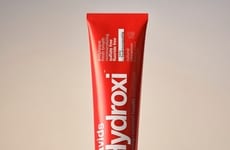


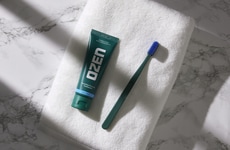
Daily dental routines become low-sensory, ingredient-led self-care
Trend -
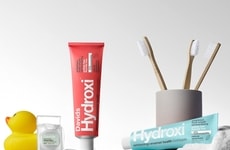
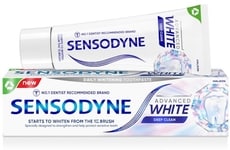
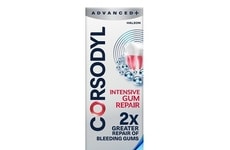
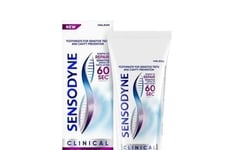
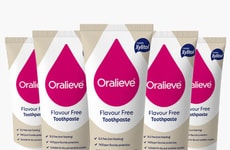
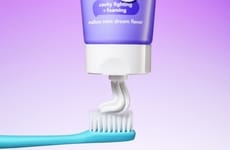
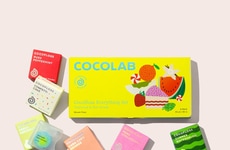
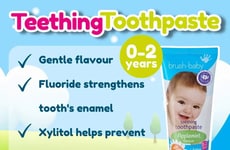
Brands are dialing back traditional sensory cues like strong mint and sweet flavors, offering unflavored or free-from options that appear designed for users who want a gentler, less performative routine. The category is increasingly borrowing the language of supplements and skin care, framing the mouth as an area for ongoing maintenance rather than a simple hygiene step.
Trigger -
There is a growing preference for routines that feel both gentler and more purposeful, especially when they can reduce sensory friction or fold multiple benefits into a single habit. Consumers are bringing higher standards to everyday essentials and questioning why a daily-use product should rely on intense flavors, artificial-feeling formulas, or disposable formats. As wellness culture trains people to scrutinize ingredients across categories, oral care is being evaluated less like a commodity and more like a personal health product.
Trend Themes
-
Low-sensory Oral Care — Flavor-free, gentle and additive-conscious formulas create space for products that serve sensitive users while redefining freshness beyond intense mint or sweetness.
-
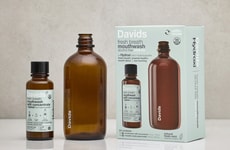
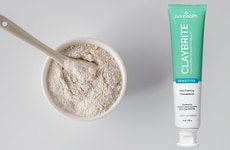
Ingredient-led Remineralization — Biomimetic compounds like nano-hydroxyapatite and aerogel delivery systems signal new potential for oral care that is positioned closer to preventative health than basic hygiene.
-
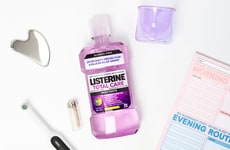
Ritualized Dental Wellness — Circadian formulas, vitamins and calming ingredients are expanding brushing into a self-care ritual with room for mood, timing and lifestyle-based personalization.
Industry Implications
-
Personal Care — Everyday grooming categories are being reshaped by minimalist formulas, sensory inclusivity and premium ingredient narratives that elevate routine-use products.
-
Health and Wellness — Preventative care, supplement-style positioning and science-backed functional benefits are blurring the boundary between consumer wellness and clinical oral health.
-
Sustainable Packaging — Refillable formats, compostable components and recycled materials are turning dental products into platforms for circular design and reduced household waste.