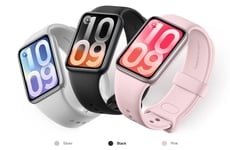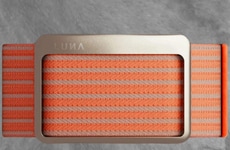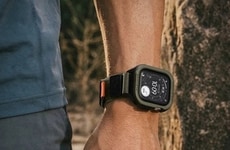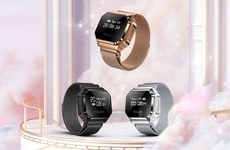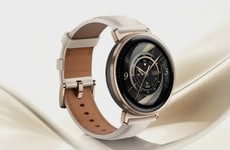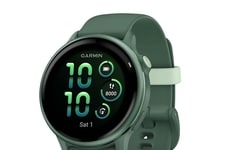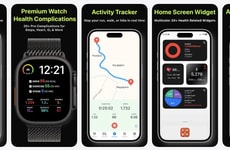

Health devices shift toward low-visibility formats that deliver selective insights
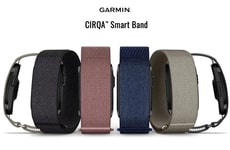
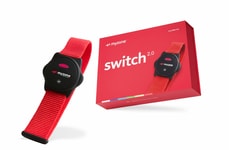
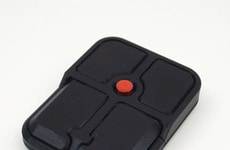
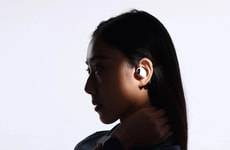
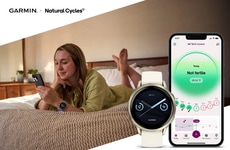
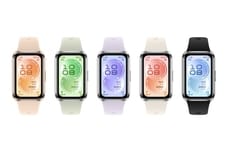
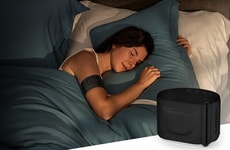
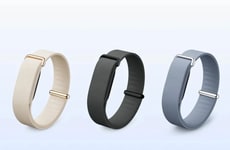
Trend - Fitness wearables are moving beyond full-featured smartwatches into slimmer, screen-light or screen-free formats that are designed to blend more easily into daily life and sleep. Wearable makers are increasingly framing these products as discreet, comfort-led alternatives to wrist-based tech, with form factors intended to feel less distracting and more wearable over long periods.
Trigger - Subtler tech solutions speak to an increasing digital fatigue in the face of endless data and a need for quieter user experiences, driven by ample metrics below the surface but rendered as short, powerful insights only when action is needed. A less-is-more approach targets a broader shift towards simplicity and balance in the modern consumer lifestyle that prioritizes logging off without completely opting out. Filtered tech complexity comes in contrast to the gamification of health and wellness to support a more meaningful, longer-term connection rather than one that requires constant attention.
Trend Themes
-
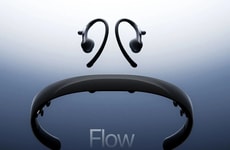
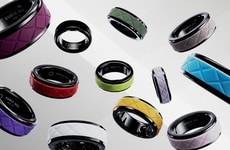
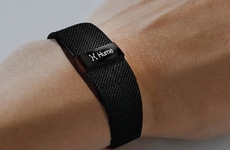
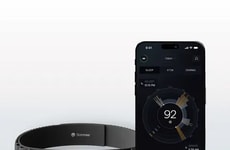
Screen-free Health Tracking — Discreet wearables with minimal or absent displays create space for biometric platforms that prioritize passive monitoring, ambient coaching, and reduced digital distraction.
-
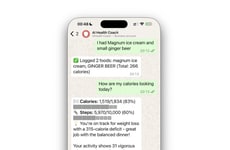
Filtered Wellness Intelligence — AI-powered health systems are reshaping tracking by turning dense sensor data into selective, context-aware recommendations that feel more useful than constant dashboards.
-
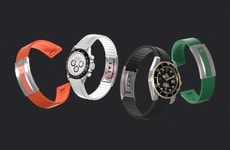
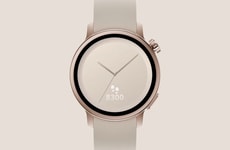
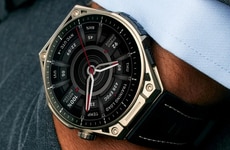
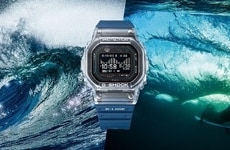
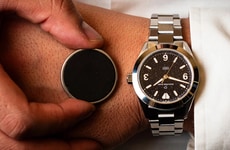
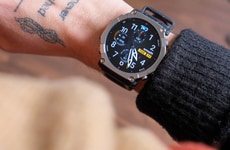
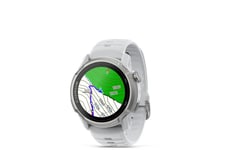
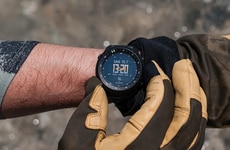
Hybrid Analog Wearables — Traditional watches and rugged timepieces are becoming entry points for connected health features through hidden sensors, smart bands, and low-interruption interfaces.
Industry Implications
-
Wearable Technology — Slimmer, longer-lasting devices point to new value in comfort-led hardware that blends into routines while still supporting continuous health measurement.
-
Digital Health — Personal wellness platforms can evolve around quieter data experiences that translate complex biometrics into timely guidance across sleep, recovery, stress, and activity.
-
Consumer Electronics — Reduced-screen product design reflects growing demand for electronics that preserve utility while minimizing attention capture, subscription fatigue, and interface overload.