Category
Fashion
Occasion Coding
Personal care brands are introducing gentler routines and formats for children.
What's Happening
Junior Skincare: Personal care companies are creating targeted facial and body care assortments for Gen Alpha, providing an age-appropriate product category between babies and adults. Beyond basic hygiene, gentle junior skincare formulas extend into moisturization and sun care with fun, easy rituals that reframe daily upkeep.
Why It's Happening
Children are encountering self-care culture earlier, with exposure to skincare routines and beauty content through older siblings and social media well before their tween years. Parents are actively looking to nurture this curiosity into a healthy interest with purpose-built products that safely mimic grown-up routines and fill the gap between sensitive baby essentials and full-strength adult personal care. Companies can safely indulge kids' aspirational fascination with grown-up beauty, while putting parents at ease knowing it’s building habits and independence without premature pressure.
Evidence
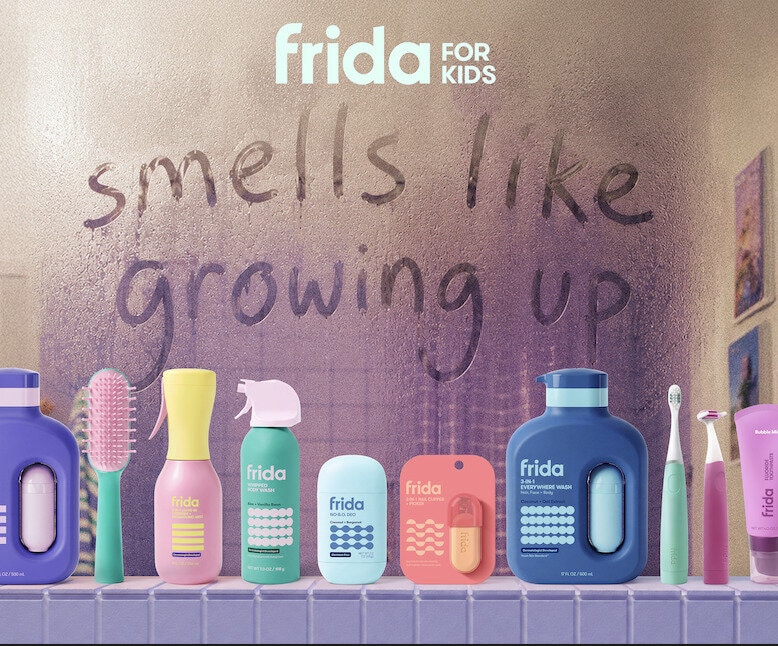
Frida Kids Personal Care is a Comprehensive Capsule
Child-focused body, hair, and oral care assortments expand category segmentation beyond baby and teen products with more precise age-based positioning.
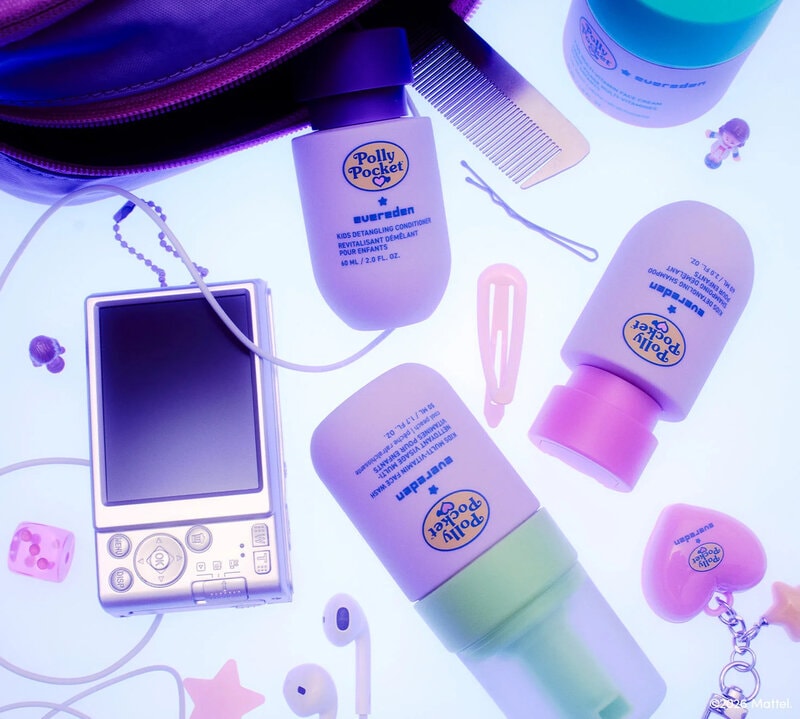
evereden Launched a Limited-Edition Polly Pocket Kids Self-Care Set
Brands focused on pediatric-safe formulations can differentiate through dermatologist-tested products designed for young consumers influenced by beauty culture.
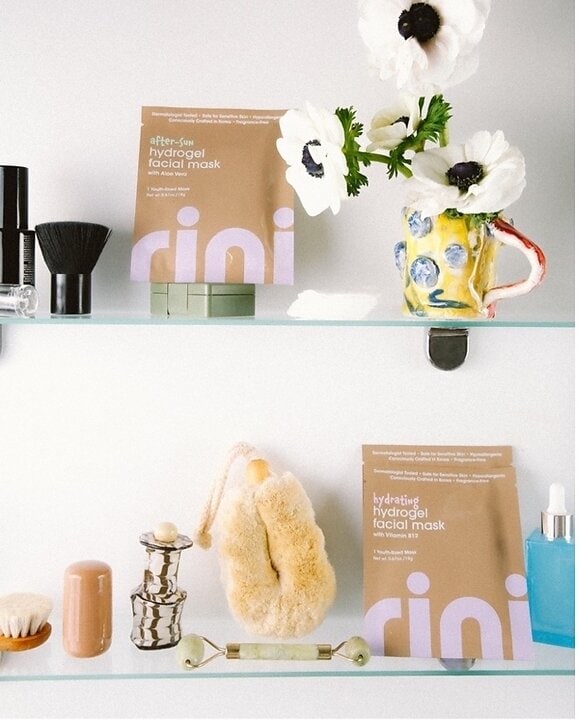
Rini x FACE FOUNDRIÉ Brings a Kid-First Korean Brand to Retail
The expansion of skincare into kid-safe masks, wipes, and body products reflects an emerging market for gentle, routine-based self-care designed for younger consumers.
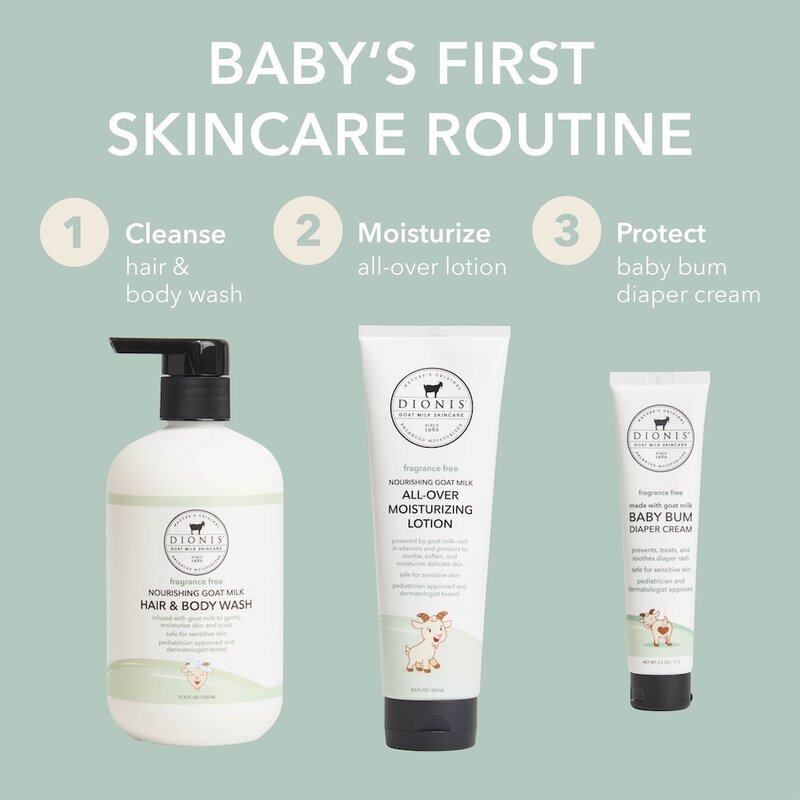
Dionis Baby Shares Goat Milk-Based Products for Young, Delicate Skin
Specialized formulas for delicate young skin are reshaping product development around dermatologist-tested, soothing and barrier-supportive ingredients.
Workshop question
How could your brand build caregiver trust when expanding into products meant for younger users?
Trend themes
A clear product tier between baby care and teen beauty reveals whitespace for developmentally appropriate routines that satisfy children’s curiosity while reassuring parents about safety.
Collectible packaging, character collaborations, and tactile formats transform hygiene into entertainment, creating room for brands to merge habit-building with toy-like engagement.
Dermatologist testing, pediatric approvals, and sensitive-skin claims are becoming trust signals that can differentiate junior personal care in a category shaped by parental scrutiny.
Industry implications
Gentle formulas, controlled dispensers, and kid-specific regimens point to new category architecture for consumers who have outgrown baby products but are not ready for adult skincare.
Facial bars, pharmacies, and specialty retailers can become discovery hubs for family-safe beauty assortments that blend professional credibility with accessible child-friendly formats.
Nostalgic IP, miniature formats, and play-led packaging show how entertainment brands can extend into wellness products that appeal simultaneously to children and millennial parents.
Trajectory
Latest reading 9.7 for the week of Aug 10, 2026. Holding over the final 3 scored weeks (±0.0), at its peak of 9.7. Momentum 9.4/10, persistence 2.5/10.
4 featured from 4 articles in the wider cluster over 2 weeks. 4 evidence articles across 2 weeks, 2.0 a week on average. Busiest was Aug 3 with 2. Scores as of the week of Aug 10, 2026.