Category
Fashion
Muted Motion
Entertainment properties are becoming hands-on keepsakes for fans.
What's Happening
Ritual Assembly: Entertainment tie-ins are showing up as buildable products that let fans spend time assembling the worlds they follow, instead of only watching or collecting them. This shifts licensed merchandise toward participation. Therefore, the category is blending static collectibles with pastime-driven play, creating products that can appeal to both hobby builders and entertainment fans. This gives licensors another way to extend an IP beyond screen time or event day.
Why It's Happening
Fans often want merchandise that feels more involving than apparel or shelf collectibles. A buildable format adds time, attention, and a sense of process to the purchase. Due to this, there is a clear pull toward memorabilia that helps people re-enter a favorite cultural moment after it ends. Assembly can prolong that connection in a way that passive viewing cannot. The takeaway for brands is that licensed products may resonate more when they create an activity around the IP, not just an object inspired by it.
Evidence
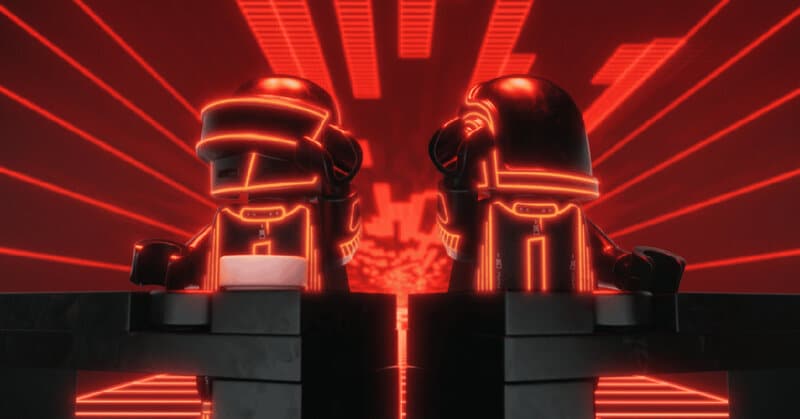
LEGO Ideas Puts Daft Punk Atop the Alive 2007 Pyramid in a New Set
Licensed, fan-designed sets highlight how construction toys can expand beyond play into collectible formats rooted in nostalgia, fandom, and cultural recognition.
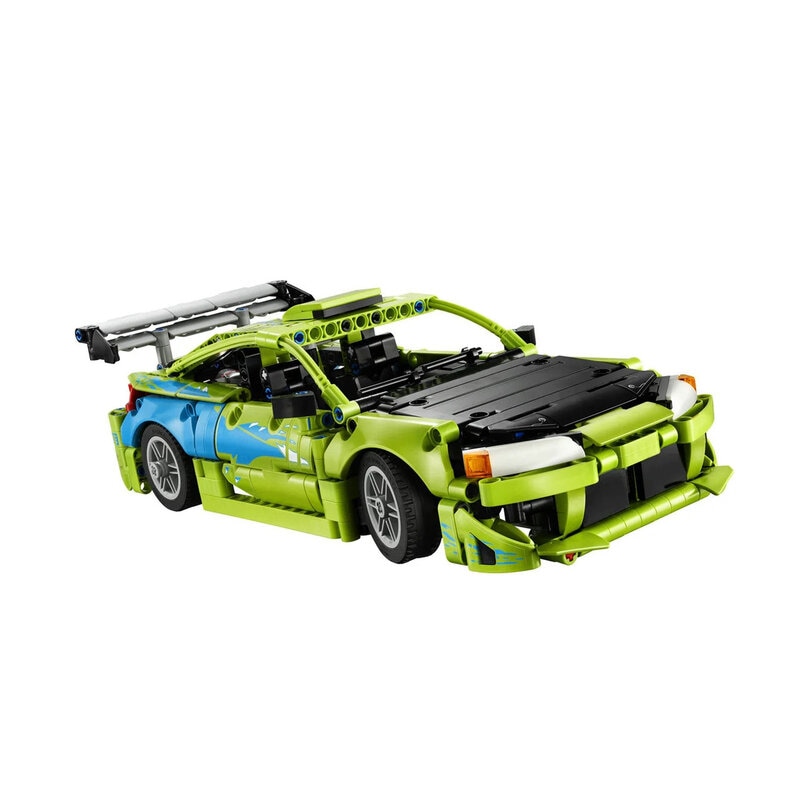
LEGO Set 42229 Recreates Brian O'Conner's Eclipse
Licensed engineering kits broaden traditional toy portfolios by appealing to adult collectors, franchise fans and technical builders at once.
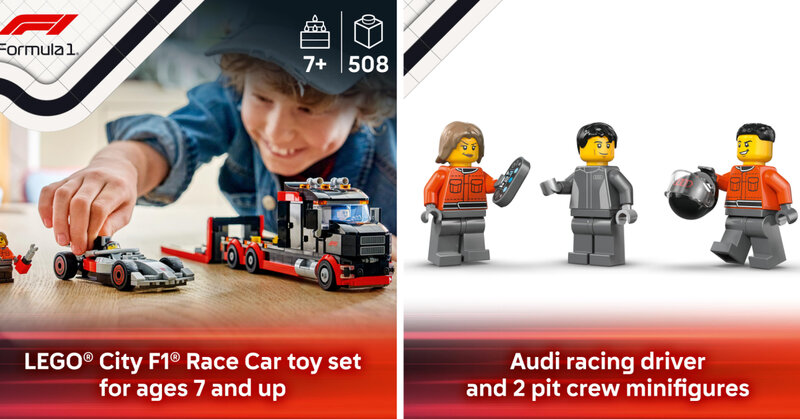
LEGO Pairs An Audi F1 Race Car With A Transport Truck For Racing And Displa
Convergent play-and-display sets signal potential for manufacturers to design products that extend engagement across building, role-play, and collecting.
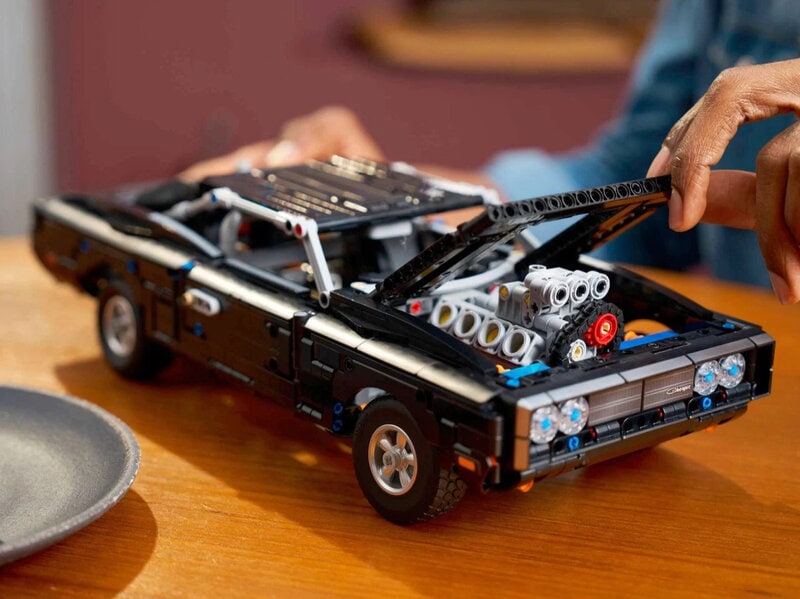
LEGO’s ‘Dom’s Dodge Charger’ Supports Group Assembly
Premium construction kits with collaborative app features point to growth in hybrid play products that serve both collectors and families.
Workshop question
How could your brand turn a fan touchpoint into an activity people complete, not just consume?
Trend themes
Licensed worlds are becoming assembly-based experiences, creating space for merchandise that converts passive fan attachment into prolonged, hands-on engagement.
Toy and collectible formats are merging shelf appeal with functional features, opening room for products that satisfy both adult collectors and younger role-play audiences.
Digital building tools and group-friendly formats are turning solo construction into social participation, suggesting new value in collaborative fan experiences tied to major IP.
Industry implications
Entertainment rights holders are finding new pathways in activity-led products that extend franchise relevance beyond viewing windows and traditional memorabilia.
Premium kits linked to films, music, and sports point to growth potential in sets that combine technical building, nostalgia, and collectible display value.
Fan culture is expanding into tangible recreation of iconic moments, giving brands opportunities to transform concerts, races, and films into participatory keepsakes.
Trajectory
Latest reading 7.9 for the week of Oct 19, 2026. Holding over the final 3 scored weeks (±0.0), at its peak of 7.9. Momentum 5.8/10, persistence 5.0/10.
6 Trend Hunter articles were grouped into the wider weekly cluster this trend was identified in, over 3 weeks.