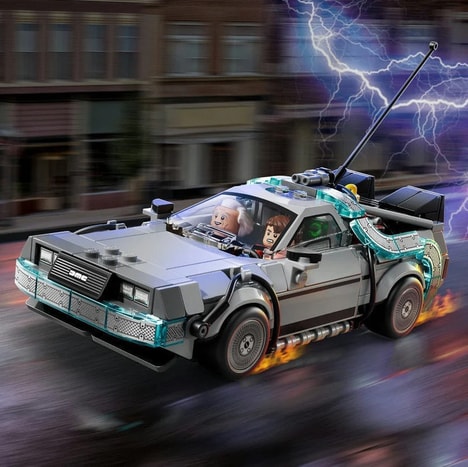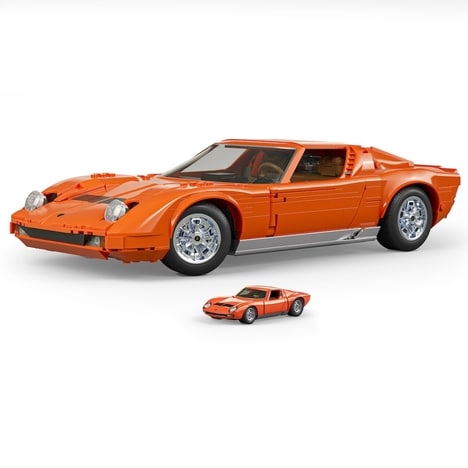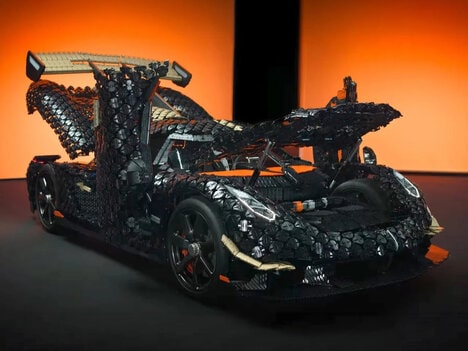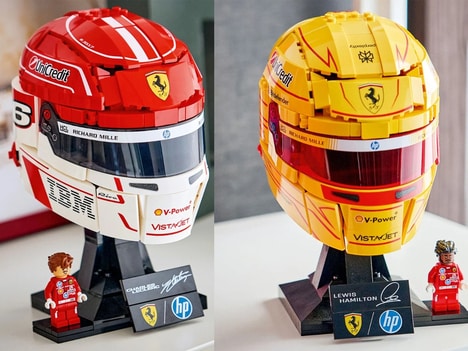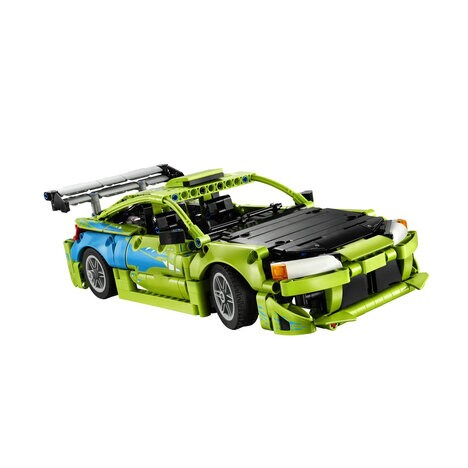
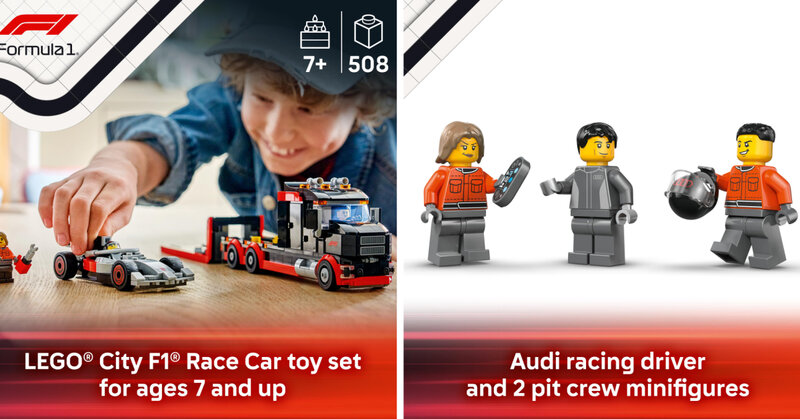
LEGO's City F1 Display Truck with Audi F1 Race Car packages a toy hauler and race car into one build, with three minifigures turning the set into a ready-made pit scene. Built for ages 7 and up, it leans as much toward display as active play.
A detailed cockpit gives the Audi a model-like finish, while the truck's lifting platform lets kids lower the car to the ground for a more hands-on racing setup. That small bit of movement keeps the set from feeling like a parked transporter and pushes it closer to role-play.
One box can cover building time, imaginative play and shelf presence without needing add-on vehicles or figures. It also nudges toy car sets toward convergence, where display value matters almost as much as the action a child can create.
Image Credit: 9to5Toys, LEGO
Key Themes Behind This Trend
- Display-ready Playsets
- Hybrid toy formats that balance shelf-worthy design with interactive features create room for products that appeal to both children and collectors.
- Integrated Racing Worlds
- Bundled vehicles, figures, and scene-setting accessories show how complete play ecosystems can replace piecemeal toy purchases.
- Functional Miniature Transport
- Moving platforms and hauler mechanics bring realism into compact builds, expanding the value of vehicle toys beyond static replicas.
Where This Applies
- Toy Manufacturing
- Convergent play-and-display sets signal potential for manufacturers to design products that extend engagement across building, role-play, and collecting.
- Licensed Entertainment
- Formula 1 and automotive partnerships highlight how branded playsets can transform sports fandom into tangible family-friendly experiences.
- Retail Merchandising
- All-in-one themed sets offer retailers compact, high-value products that merge giftability, display appeal, and repeat play potential.