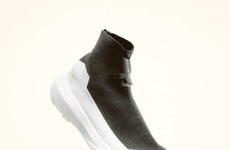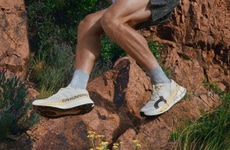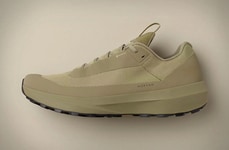

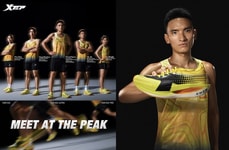

Performance footwear is being adapted to specific weather & road conditions
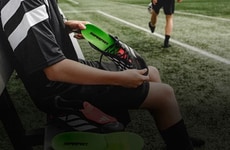
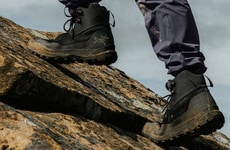
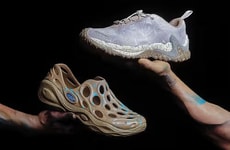
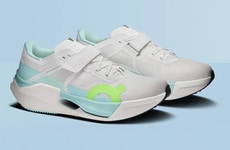
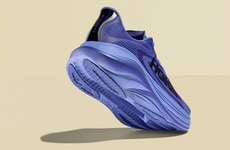
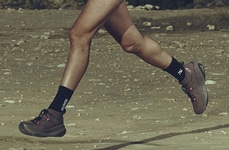
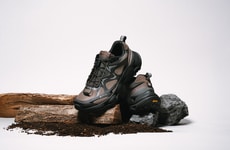
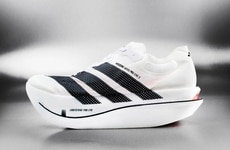
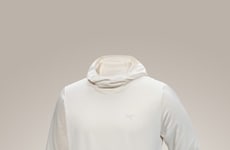
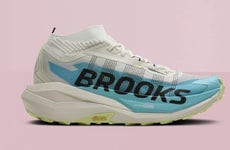
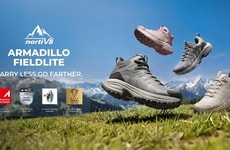
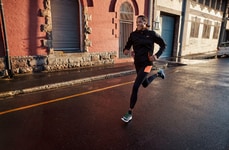
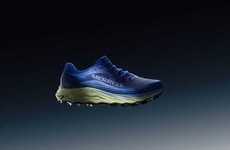
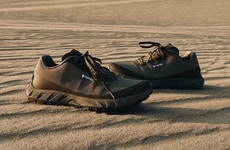
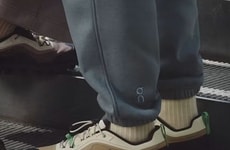
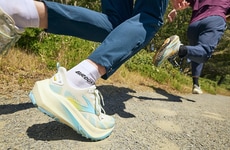
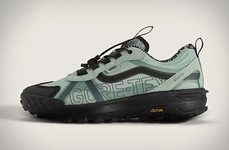
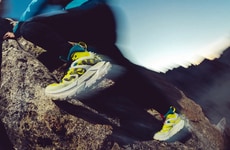
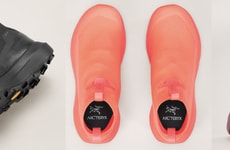
Trend - Performance footwear is being differentiated by environment as much as by sport. In this niche, brands are releasing purpose-built footwear models framed around highly specific use cases, including ultra-distance trail efforts, remote off-grid runs, wet conditions, and road racing. This approach helps consumers choose by route, climate, and training goal rather than by broad lifestyle cues.
Trigger - Consumer understanding of training regimens has evolved because of increased access to elite sports technology and personalized expert advice. This knowledge is leading many to pay closer attention to details and to a desire for more targeted performance equipment that can support them in different training environments. For example, consumers are no longer approaching cardio as one uniform activity, but as an important part of a comprehensive training regimen that moves between road, trail, endurance training, and event-specific goals.
Trend Themes
-
Environment-specific Footwear — Performance shoes are becoming segmented by terrain, distance, moisture, and elevation, creating room for products that match increasingly granular training conditions.
-
Athlete-validated Engineering — Extended prototype cycles, lab testing, and professional runner feedback are shaping credibility in footwear design, opening space for data-backed development models.
-
Material-driven Performance — Advanced foams, waterproof membranes, carbon plates, and protective gaiters are redefining shoe capabilities through technical components borrowed from specialized fields.
Industry Implications
-
Sporting Goods — Highly specialized athletic equipment reflects a market shift toward precision performance products for consumers with advanced training expectations.
-
Outdoor Recreation — Year-round trail running, off-grid exploration, and weather-adaptive gear point to expanding demand for rugged products that support unpredictable environments.
-
Advanced Materials — Aerospace-grade fibers, breathable membranes, and resilient cushioning systems signal opportunities for cross-industry material applications in consumer performance goods.