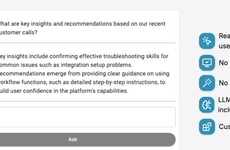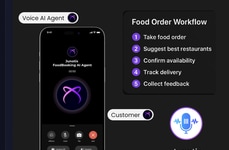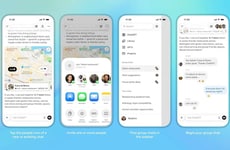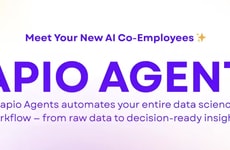
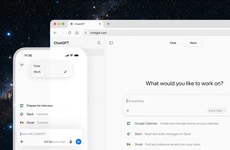
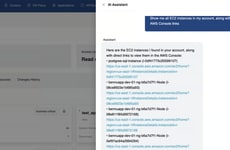
AI is evolving from task assistance to task execution under human supervision
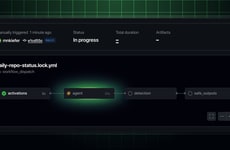
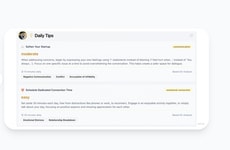
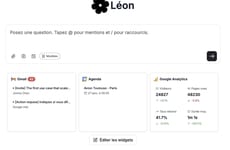
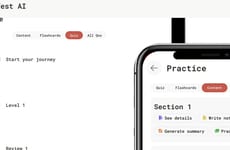
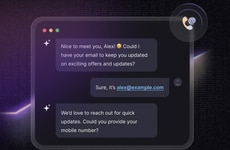
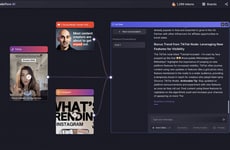
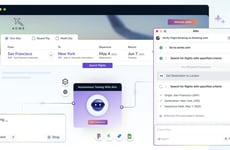
Trend - Workplace tools are moving beyond general-purpose AI assistants toward systems that can plan and complete multi-step tasks across existing software, data, and processes. Brands are packaging these capabilities as embedded operational layers for discrete needs such as administration, recruiting, testing, or broader business operations.
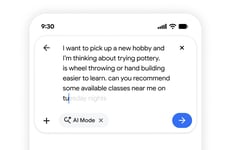
Trigger - People are under pressure to do more with limited time and leaner teams, and much of that strain comes from repetitive coordination across disconnected systems. As users grow more comfortable expressing goals through prompts and using AI for work-related recommendations, many are beginning to view editable, outcome-based software as a practical solution that can remove administrative drag and free up time and mental space for higher-level decision-making. Accuracy and trustworthiness remain key in maintaining this user confidence, so consumers are looking for solutions that prioritize workflow visibility and approval-seeking.
Trend Themes
-
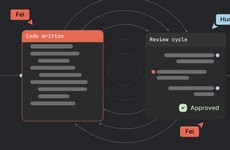
Supervised Autonomy — AI systems are shifting from passive recommendation engines into editable execution layers where approval flows, audit trails, and human checkpoints create room for safer automation of complex workplace responsibilities.
-
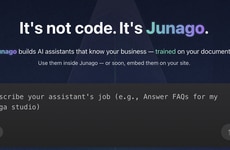
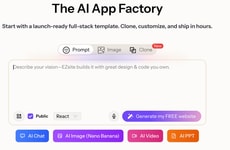
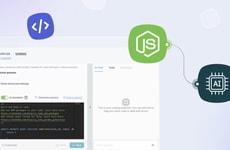
No-code Agent Building — Accessible visual builders and preconfigured agents reduce the technical burden of automation, opening space for non-technical teams to design specialized digital workers around everyday operational bottlenecks.
-
Cross-app Workflow Orchestration — Disconnected enterprise tools are being unified through AI agents that move across apps, data sources, and processes, creating new value in secure integration, context retention, and end-to-end task completion.
Industry Implications
-
Enterprise Software — Productivity platforms, CRMs, HR systems, and collaboration suites are increasingly becoming agent-enabled environments where embedded execution capabilities can differentiate software beyond dashboards and task management.
-
Information Technology — IT management, DevOps, cybersecurity, and infrastructure operations are well positioned for autonomous agents that resolve issues, enforce policies, and manage systems while preserving governance and reliability.
-
Professional Services — Consulting, administration, finance, recruiting, and legal support functions contain repeatable coordination work that AI execution platforms can restructure into faster, more scalable service models.