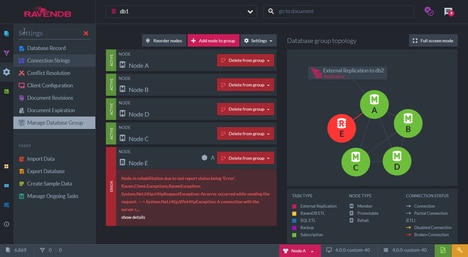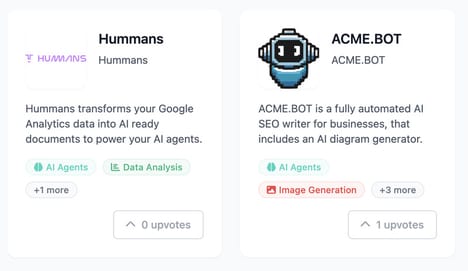
Agentic resource discovery is reshaping how developers interact with AI assistants by enabling GitHub Copilot to automatically discover and load the most relevant tools, skills, MCP servers, and agents for a task instead of relying on preconfigured resources. Using the open Agentic Resource Discovery (ARD) specification, the feature searches approved public or private registries and ranks capabilities that best match a user's request while maintaining enterprise governance over what can be accessed. This on-demand model reduces context overload and allows AI agents to remain lightweight until additional capabilities are needed.
For businesses, this marks a shift toward modular AI ecosystems where capabilities can be added, updated, and governed independently. Organizations can simplify AI deployment, improve productivity, and maintain stronger security by limiting resource discovery to approved catalogs. Open standards such as ARD may also encourage broader interoperability, making it easier for enterprises to integrate AI tools from multiple vendors into a unified workflow.
Image Credit: GitHub
Part of the cluster
Guided Automation
Work software is shifting from static tools to comprehensive editable assistants
Explore the cluster


What's Driving This Trend
- Agentic Tool Discovery
- Autonomous matching of AI tools to user intent creates room for lighter assistants that expand capabilities only when specialized resources are relevant.
- Governed AI Registries
- Enterprise-approved catalogs introduce a controlled layer for AI resource access, supporting safer experimentation across public and private tool ecosystems.
- Modular AI Workflows
- Composable agent capabilities signal a shift from monolithic copilots to interoperable systems where skills, servers, and agents can evolve independently.
Who This Affects Most
- Software Development
- Developer platforms gain new value by embedding dynamic resource ranking into coding environments, reducing setup friction while improving task-specific assistance.
- Enterprise Security
- Security providers benefit from demand for policy-driven discovery, access controls, and auditability as AI agents connect to broader tool networks.
- Cloud Infrastructure
- Cloud ecosystems are positioned to support standardized AI marketplaces and registries that connect enterprise workflows with governed third-party capabilities.