
Category
Tech
Disc Revival
Work software parses goals, surfaces assets, and suggests next steps for review.



Trend
Intent Interfaces: Agentic productivity platforms are shifting focus from general all-purpose dashboards to intentional, objective-driven systems. These systems integrate each element of task setup into one place, enabling quick and clear progression toward objectives by aggregating relevant, rather than generic, resources, information, and recommendations that would normally require multiple tools.
Trigger
As agentic AI productivity platforms become more widespread, consumers are becoming overwhelmed by the sheer volume of tools on the market. These consumers do not always desire all-purpose tools with little guidance, as users new to AI are often unsure of where to begin or how to actually achieve goals with agentic AI. In order to address these consumer pressures, agentic AI brands are launching tools with more guidance and pointed features, rather than generic, often complicated, dashboards.
Workshop question
Trajectory
Latest reading 6.4 for the week of Jul 27, 2026. Rising over the final 3 scored weeks (+0.3), −0.7 from its peak of 7.1 in the week of Jul 20, 2026. Momentum 2.8/10, persistence 10.0/10, backed by 4 research findings.
Evidence
Vertu Hermes Agent Now Delivers Workflow Automation
Foldable and premium handset makers have an opening to compete through embedded agentic software rather than hardware specifications alone.
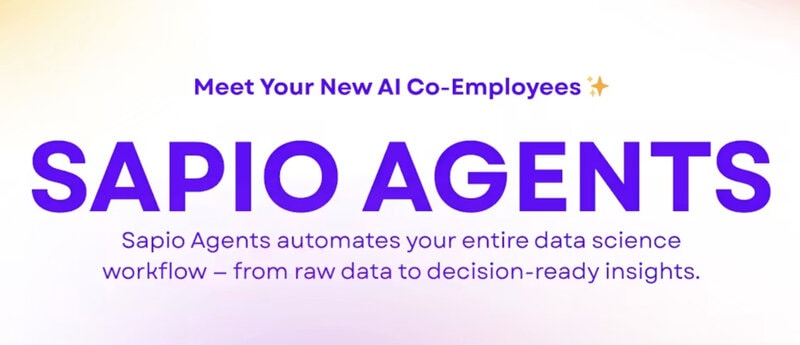
Sapio Agents Provides AI Co-Employees For Data Engineering and Science
Agentic platforms embedded into business systems offer software vendors a path to differentiate through collaborative AI that handles complex operational workloads.
Mistral AI Delivers Open And Portable Generative AI For Developers
Open and commercial model ecosystems are expanding competitive possibilities for developers building enterprise-grade generative AI applications.
Sport Clips Launches Its Agentic Review Manager
Men's grooming and salon brands are gaining efficiency from AI-driven customer engagement that supports booking decisions and local trust.
GitHub Copilot Discovers and Ranks AI Tools for Every Task
Developer platforms gain new value by embedding dynamic resource ranking into coding environments, reducing setup friction while improving task-specific assistance.
83 Trend Hunter articles were grouped into the wider weekly cluster this trend was identified in, over 5 weeks.
 AI Shopping AssistantsMichaels Unveiled Its AI Assistent Ask Mike With Google
 AI Call Automation PlatformsBetty Provides 24/7 AI-Powered Sales And Support Calls Without Coding
 AI Routing AssistantsMezzie Delivers An AI Experience By Choosing The Best Model For Messages
 AI Email Productivity AssistantsKite Helps Take Control Of Their Inbox And Save Hours Every Week
 AI Enterprise Planning PlatformsForceEquals Turns Complex Business Ideas Into Actionable Plans
 AI Automation PlatformsBennu Agent Automates DevOps Workflows With Trusted AI Execution
 Avocado Education PlatformsAvocados From Mexico's AVO.AI Answers FAQ with Artificial Intelligence
 AI Personal Productivity AssistantsLumon Manages Tasks With An AI Assistant That Remembers Them
 Private Offline AI AssistantsHaplo AI Brings Secure, Offline AI Conversations To Your Devices
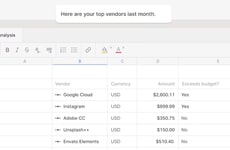 AI Business Finance AssistantsModernbanc Gives Business Owners Instant Financial Insights
 Personal Memory AssistantsMemno Creates A Smarter AI Assistant That Remembers Your Information
 Server Management PlatformsPyleeAI Helps Teams Organise, Deploy, And Share MCP Servers Securely
 AI Documentation ToolsEasy Scribe Turns Screen Recordings Into Detailed Guides And Documentation
 AI Phone Concierge Servicesheytruffle Expands Its Managed AI Phone Concierge Service
 Autonomous Testing PlatformsAI QA Automates Software Testing With A Fully Autonomous AI Engineer
 AI Meeting Productivity PlatformsEarmark Turns Team Conversations Into Completed Work With AI
 AI Automation PlatformsLatenode Helps Users Build AI Agents And Automate Workflows Without Coding
 AI Survey BuildersPollystack Helps Users Create Custom Forms, Surveys, And Quizzes With AI
 AI Email Marketing PlatformsELMA Helps Businesses Create Personalised Email Campaigns In Seconds
 AI SEO Content PlatformsMachined AI Helps Businesses Scale SEO Content Creation With AI
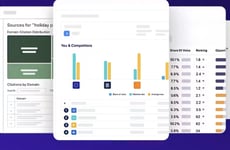 AI Brand Visibility PlatformsAnvil Helps Businesses Monitor And Improve Their Presence
 AI Accounting PlatformsFinlens Helps Founders And Accountants Simplify Bookkeeping With AI
 Persistent AI InfrastructureSail Launches Cloud Environments for Long-Running AI Agents
 Evocative AI Companion ServicesEmbraces AI Offers Access to Lifelike Companions
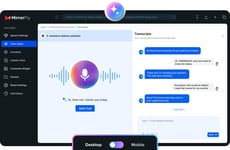 AI Customer Service SoftwareMirrorFly Is Introducing AI Agents For Customer Support
 AI Screen MonitoringObserver AI Creates Privacy-First Local Agents That Watch, Analyse, And React
 AI Everyday AssistantsKimi Helps Users Search, Create, And Work Smarter With Advanced AI Tools
 AI Banner Design PlatformsCreateMyBanner Helps Users Design Social Media Graphics With AI
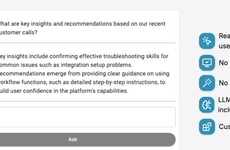 AI Agent Automation PlatformsAPE AI Makes Building And Using AI Agents Simple For Everyone
 AI Omnichannel Chat PlatformsWhautoChat Helps Businesses Automate Customer Conversations
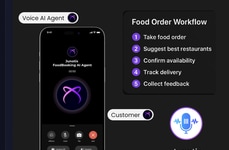 Enterprise AI Agent PlatformsJunotix Creates Human-Like AI Assistants For Enterprise Voice
 AI Shopping AgentsSalesforce Expands Agentforce with AI Shopping Agents
 Autonomous Enterprise AIManageEngine Launches Autonomous AI Agents for Enterprise IT
 AI Workplace AgentsChatGPT Work Automates Multi-Step Projects Across Connected Business Apps
 AI-Driven Discovery PlatformsTakeda Has Signed With Insilico Medicine's Pharma AI Suite
 AI Budgeting PlatformsPreso Budget Helps Users Understand Spending And Take Control Of Finances
 AI Chat Export ToolsYourAIScroll Helps Users Save And Manage Conversations Across Multiple AI
 AI Creative Analytics PlatformsSegwise Uses AI To Help Marketers Improve Creative Performance
 AI Social Media AgentsOlly Automates Social Engagement With Personalised AI-Powered Interactions
 AI Prompt Management ToolsSuperPrompt Helps Users Save And Reuse AI Prompts
 AI Influencer Marketing ManagersUplodio Automates Creator Partnerships With An AI Managers
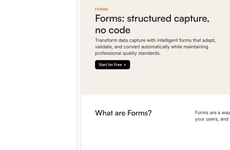 AI Website Builder PlatformsPixelesq Helps Businesses Build, Optimise, And Grow Websites With AI
 AI Portfolio BuildersPagey Helps Creators Build Professional Portfolios In Minutes
 AI Resume Website BuildersHelloCV AI Turns Resumes Into Professional Personal Websites In Minutes
 AI Voice Agent PlatformsPhinVoice Helps Businesses Automate Phone Calls With Human-Like AI
 AI Chat Browser ExtensionsBundle Chat AI Lets Users Chat With Website Content Using AI Models
 AI Lip Sync VideosLipSync.video Turns Images And Voice Recordings Into Engaging AI Videos
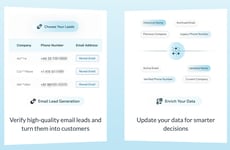 B2B Lead Generation PlatformsReachStream Helps Sales Teams Build Targeted Contact Lists Faster
 AI Bookkeeping PlatformsTaxHero AI Simplifies Tax Management For Early-Stage Startups
 Visual Intelligence PlatformsReka Vision Turns Unstructured Visual Data Into Searchable Insights
 AI Newsletter Archive AssistantsBookshelf Turns Newsletter Archives Into Interactive AI Chats
 AI Design Workflow PlatformsWeavy Combines Professional Creative Tools And AI In a Visual Space
 AI Document Processing PlatformsfileAI Transforms Unstructured Files Into Structured Data
 AI Animation PlatformsLottielab Helps Designers Create Animations Faster With AI-Powered Tools
 AI Travel PlannersVayajo Creates Personalised Trip Itineraries In Seconds
 Cold Email Automation PlatformsReachkit Helps Businesses Send Smarter Outreach Campaigns At Scale
 AI Software PlatformsPortalX Creates Intelligent On-Screen Guidance To Improve User Adoption
 AI Lead Generation PlatformsResearch AI Helps Businesses Find Targeted LinkedIn Leads
 AI Interview Analysis PlatformsPolygrAI Uses Advanced AI To Analyse And Authenticate Interviews
 AI Screen Assistantsailight Lets Users Transform Anything On Their Screen
 AI Educational Video CreatorsReelith Turns Learning Content Into Engaging Short Form Videos
 AI Podcast GeneratorsBubbleCast Creates Personalised Podcasts Based On Your Interests
 AI Coupon FindersFlash Voucher Uses AI To Find The Best Working Discounts Online
 AI Financial Analysis PlatformsStatistica AI Makes Advanced Market And Data Insights Accessible
 Startup Insights PlatformsQualz.ai Insights Agent Helps Startups Validate Ideas And Find PMF
 AI Content GeneratorsMuapi Creates High Quality AI Images And Videos In Seconds
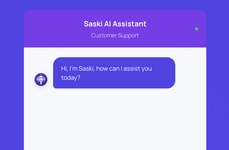 AI Customer Support PlatformsSaski AI Delivers Automated Multichannel Support For Small Business
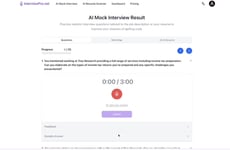 AI Interview CoachesInterviewPro Helps Candidates Practise And Prepare For Job Interviews
 AI Money Recovery ToolsWeRecover AI Finds And Claims Money Hidden In Your Digital Records
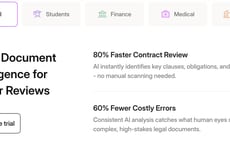 AI Document AssistantsAI AgentDocs Turns Documents Into Interactive AI Conversations
 SEO Content PlatformsSEO Content Lead Creates Data Driven Briefs For Search Focused Content
 AI Concierge AssistantsPlaylist Launches a Specialized Virtual Front Desk Assistant
 AI-Assisted Database FeaturesDbSchema Introduced Its AI Assistant Tool for SQL and Schema
 AI Agriculture AssistantsDigiShivar AI Helps Indian Farmers Make Smarter Farming Decisions
 Physics-Based AI Drug DiscoveryGero Combines Physics, AI and Human Data to Target Aging
 Agentic Commerce PlatformsSAP and Google Expand AI-Native Commerce with Open Standards
 Architecture Assistant ToolsOneArch Organizes Software Architecture Decisions And Documentation
 AI Scientific WorkbenchesClaude Science Unifies AI Research Tools for Scientific Workflows
Research
Agentic Shopping Layer
Consumers are open to AI doing the heavy lifting of discovery and comparison, but they still want clarity and control at the moment of purchase.
Brands now face a dual challenge: optimize their products to be readable and recommendable by AI agents while preserving trustworthy, brand-owned environments for final checkout. Those who treat AI as a discovery and routing fabric—not necessarily the endpoint—can capture upside without betting everything on unproven in-chat commerce flows.
Bounded AI Assistants
People welcome AI that speeds up tedious tasks but are uneasy letting it make high-stakes or opaque decisions.
Bounded AI designs acknowledge this by framing AI as an assistant that interprets data and offers options, while humans retain judgment and accountability. This ‘copilot’ approach reduces cognitive burden without triggering fears of loss of control, making adoption more palatable in sensitive arenas like health, beauty, and finance.
Trusted Agentic Shopping
Consumers are ready to let AI narrow choices, auto-fill carts, or even execute purchases—but only if they feel fully in control.
The core tension is between effortless delegation and fear of losing autonomy or being misled. Winning designs will make agency visible: clear settings, human override options, transparent data use, and error correction pathways that let shoppers feel AI is a helpful assistant, not an invisible puppeteer.
Agentic Shopping Gap
Consumers are comfortable letting AI do the heavy lifting of product research and comparison, but they still want to press the final “buy” button themselves.
Trust, liability, and habit all slow the shift from recommendation to autonomous transaction. Brands that treat AI as a research assistant rather than an invisible buyer—providing transparent explanations, clear options, and easy human override—will better match current comfort levels and gradually earn permission for more automated behaviors.