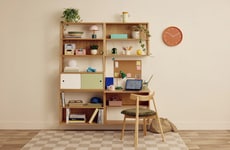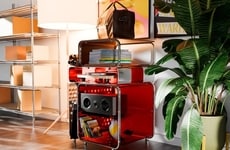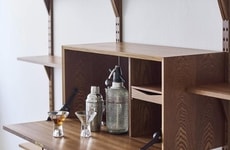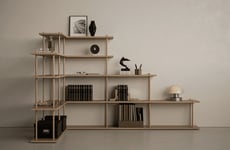

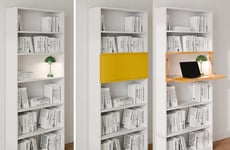

Modular shelving adapts to evolving spaces with flexible layouts
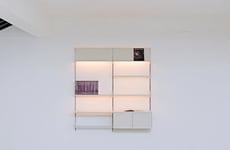
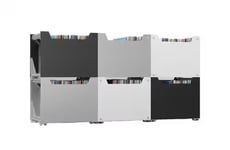
Trend - Furniture and home organization brands are introducing modular shelving systems that can be expanded, reconfigured and customized to suit changing storage needs—optimizing limited living spaces while extending the lifespan of furniture through flexible layouts that maximize functionality.
Insight - Millennial and Gen Z consumers are increasingly living in smaller homes or rental spaces, where changing lifestyles make fixed furniture less practical. Configurable shelving addresses this shift by adapting to evolving storage needs instead of requiring replacement. As a result, consumers are seeking versatile, customizable furnishings that maximize space, deliver long-term value and support more sustainable purchasing habits.
Insight - Millennial and Gen Z consumers are increasingly living in smaller homes or rental spaces, where changing lifestyles make fixed furniture less practical. Configurable shelving addresses this shift by adapting to evolving storage needs instead of requiring replacement. As a result, consumers are seeking versatile, customizable furnishings that maximize space, deliver long-term value and support more sustainable purchasing habits.
Workshop Question - How could your brand design products that adapt to consumers' changing needs instead of requiring complete replacement?
Trend Themes
-
Adaptive Micro-living Storage — Smaller urban homes and rental lifestyles are elevating modular shelving that reshapes itself around compact spaces, creating room for furniture ecosystems that blend storage, work, display and zoning functions.
-
Tool-free Furniture Assembly — Visible demand for intuitive, non-permanent installation is opening space for hardware-light systems that reduce setup friction, improve portability and make furniture easier to repair, relocate or resell.
-
Customizable Longevity — Made-to-order finishes, adjustable components and expandable layouts are redefining value by extending product lifespans, with potential for modular platforms that evolve alongside changing households.
Industry Implications
-
Home Furnishings — Furniture brands can reference configurable storage as a shift toward adaptable product architectures that replace fixed-use items with longer-lasting, multi-configuration systems.
-
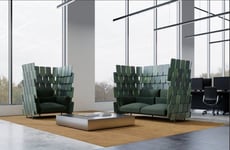
Interior Design — Residential and commercial interiors are being influenced by modular shelving that functions as storage, space divider and acoustic surface within increasingly flexible environments.
-
Rental Housing — The growth of renter-friendly, modification-free furnishings highlights opportunities for living solutions that personalize temporary spaces without damaging walls, built-ins or existing furniture.
4 Featured, 35 Examples:
82,992 Total Clicks
Date Range:
Feb 26 — Aug 26
Trending:
This Quarter and Warm
Consumer Insight Topics: