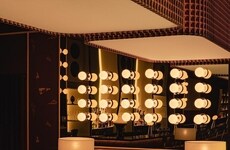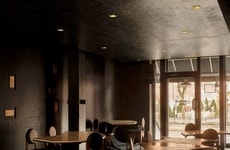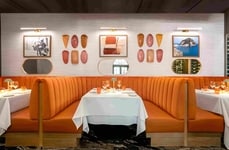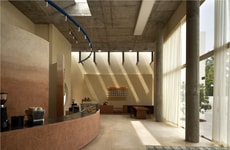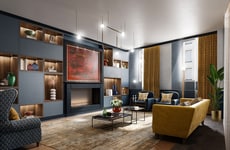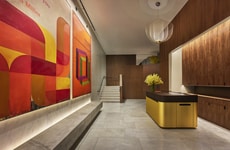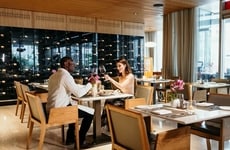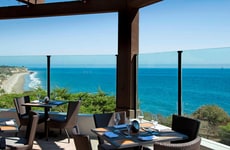
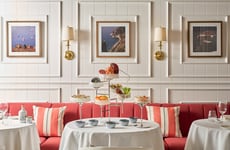
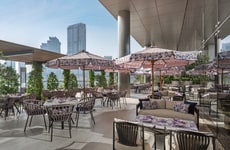
Restaurant venues are maximizing coastal settings through immersive hospitality
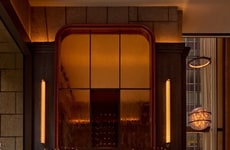
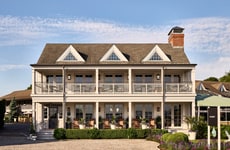
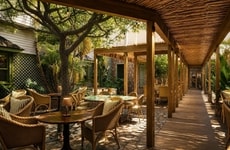
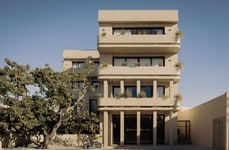
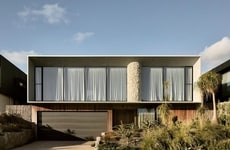
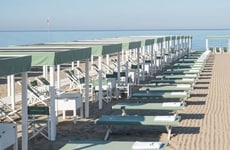
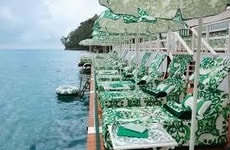
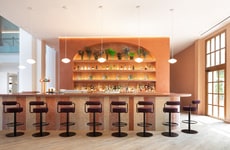
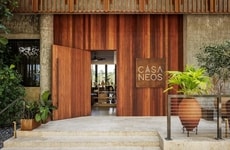
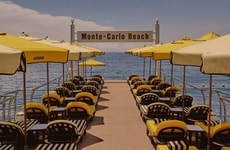
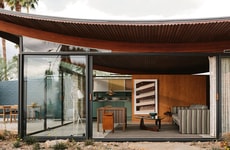
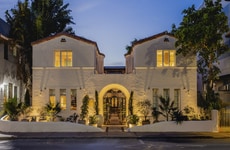
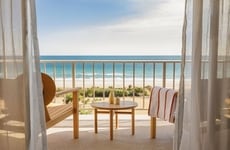
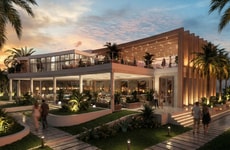
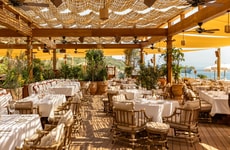
Trend - Restaurants are designing destination-led dining experiences that integrate scenic landscapes, open-air architecture, and resort-style amenities, encouraging guests to spend more time on-site while making the surrounding environment an integral part of the overall experience.
Insight - Dining out is increasingly measured by the quality of the overall experience rather than the meal alone, prompting restaurants to expand beyond traditional food service. By incorporating leisure programming, outdoor social spaces, entertainment, and distinctive settings, venues can strengthen emotional engagement and create memorable experiences that encourage repeat visits while differentiating through a stronger sense of place.
Insight - Dining out is increasingly measured by the quality of the overall experience rather than the meal alone, prompting restaurants to expand beyond traditional food service. By incorporating leisure programming, outdoor social spaces, entertainment, and distinctive settings, venues can strengthen emotional engagement and create memorable experiences that encourage repeat visits while differentiating through a stronger sense of place.
Workshop Question - How can your brand transform its surroundings into an immersive experience that extends beyond the core offering?
Trend Themes
-
Destination-led Dining — Restaurant concepts are becoming travel-worthy social anchors where scenic settings, architecture, and hospitality design create premium experiences beyond the meal.
-
Hybrid Hospitality Venues — Blended formats that combine restaurants, beach clubs, lounges, and event spaces reveal opportunities for all-day revenue models tied to shifting guest moods and occasions.
-
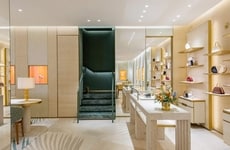
Place-based Brand Collaborations — Luxury partnerships rooted in design, tableware, and local waterfront identity are turning dining environments into immersive brand showcases with stronger emotional recall.
Industry Implications
-
Hospitality — Hotels, resorts, and restaurant groups can differentiate through experiential venues that merge leisure, dining, entertainment, and destination appeal.
-
Real Estate Development — Waterfront and mixed-use projects gain added value when restaurants function as lifestyle amenities that increase foot traffic and extend public-space engagement.
-
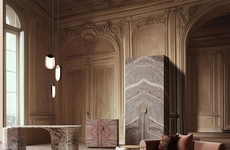
Luxury Design — Interior brands, architects, and artisan manufacturers are finding new relevance as hospitality spaces become tactile stages for craftsmanship and aesthetic storytelling.