
Category
Marketing
Package Play
Brands are normalizing menstruation through inclusive products and campaigns.

What's Happening
Period Positivity: Brands are challenging long-standing menstrual stigma through products, campaigns, and educational initiatives that encourage open conversations and more inclusive representation. By reframing periods as a normal aspect of everyday life, they aim to make menstrual care more visible.
Insight
As Gen Z and Millennial consumers increasingly expect brands to reflect real-life experiences with honesty and inclusivity, demand is growing for menstrual care that feels empowering rather than discreet or stigmatized. In response, brands are embracing transparent messaging, educational content, and thoughtful innovation that can normalize periods while fostering trust and representation.
Trend themes
Menstrual tracking combined with curated product delivery reflects a shift toward health-aware retail ecosystems that can make recurring care needs more predictive, convenient, and personalized.
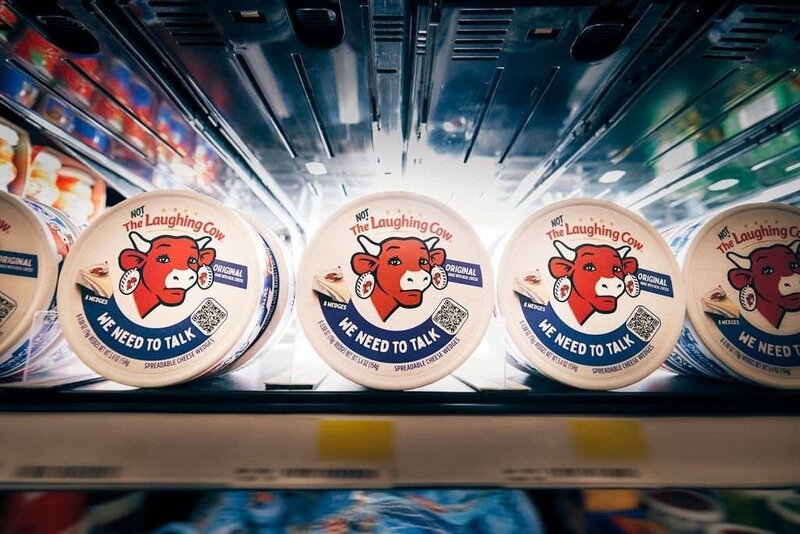
Statement accessories, humorous campaigns, and stigma-free packaging are transforming menstrual products into identity-led goods with room for brands to build cultural relevance through openness and design.
Awareness tools tied to conditions like endometriosis highlight unmet needs in menstrual health literacy, where connected content and specialist support can shorten gaps between symptoms and care.
Industry implications
Digital health platforms focused on reproductive and menstrual wellness have opportunities to expand beyond tracking into commerce, diagnosis support, and inclusive education.
Period care brands are being reshaped by consumer expectations for clean ingredients, transparency, and representation, creating space for products that feel practical and emotionally affirming.
Grocery, pharmacy, and quick-commerce platforms can differentiate by embedding health-contextual shopping experiences that anticipate routine wellness needs before they become urgent.
Workshop question
Trend signals
Trend score 7.7 out of 10, from popularity 75%, activity 71%, freshness 85%.
Evidence
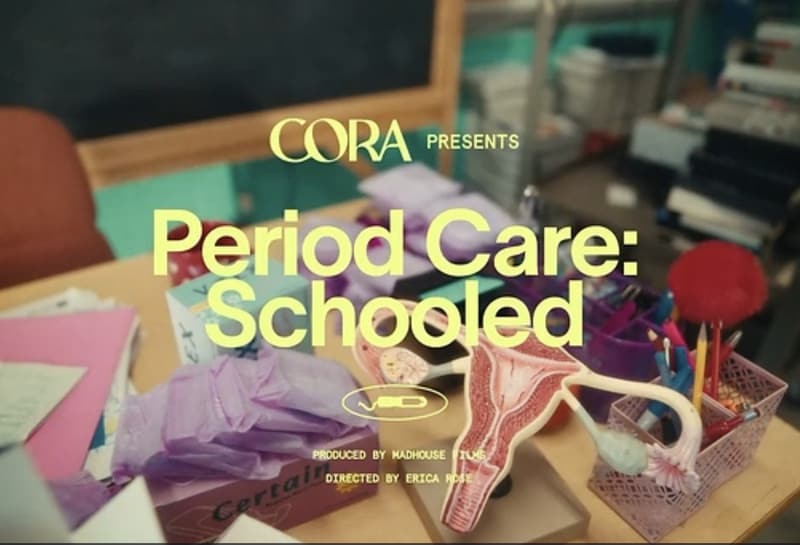
Clean Period Care Brand Cora Launches Its First Commercial
Brands in menstrual health are moving beyond functional product claims toward culturally responsive campaigns that challenge stigma and build trust.
Holland & Barrett's Endo Pants Visualize Hidden Discomfort
Health-focused retailers expand beyond point-of-sale to become community-oriented hubs that connect customers with clinical guidance and educational tools.
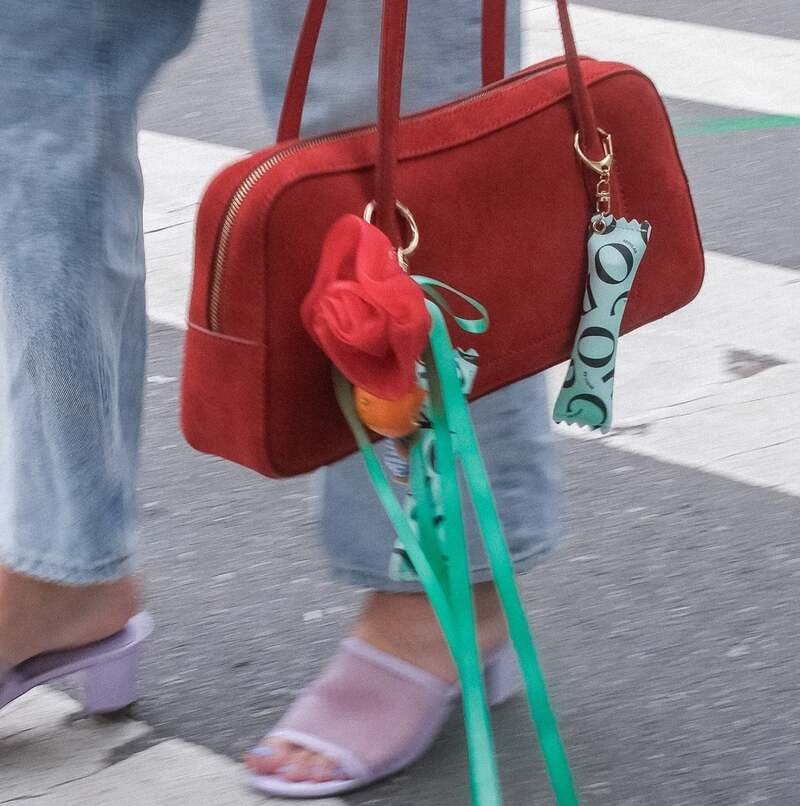
The Cora Bag Charm is a Proud Accessory and Practical Backup
Brands within menstrual health are positioned to diversify offerings beyond commodity products by embedding cultural messaging and design-driven differentiation into essentials.
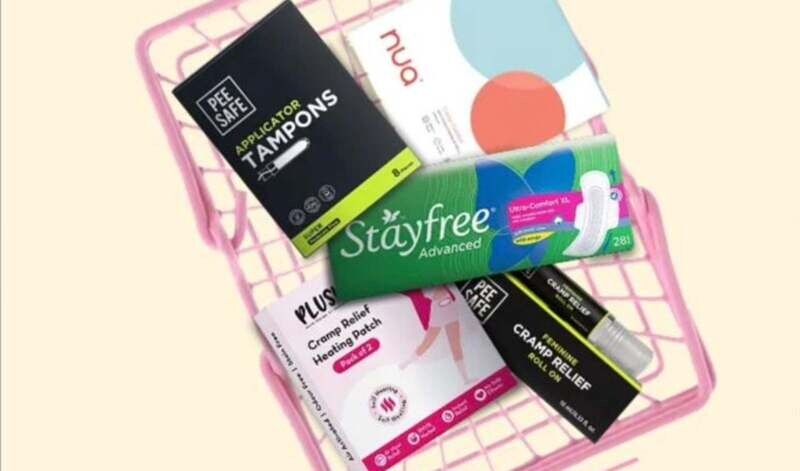
Instamart Launches a Menstrual Tracker and Care Hub for Planning
The femtech industry is expanding with tools that provide digital solutions for menstrual health, emphasizing personalized care and convenience.