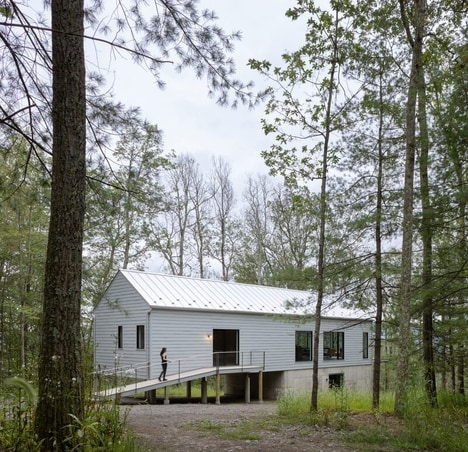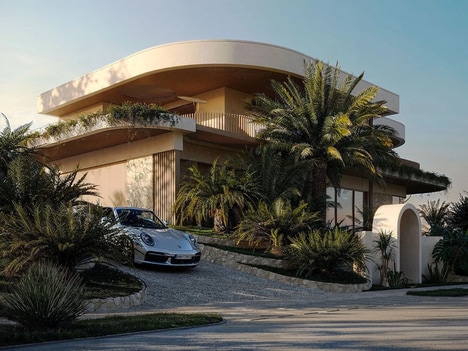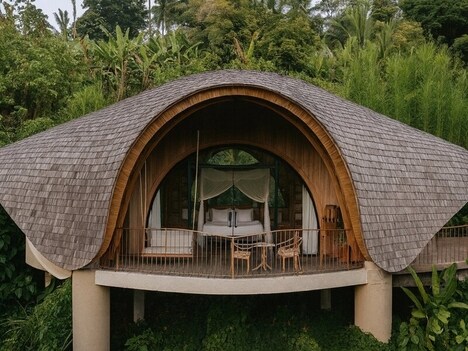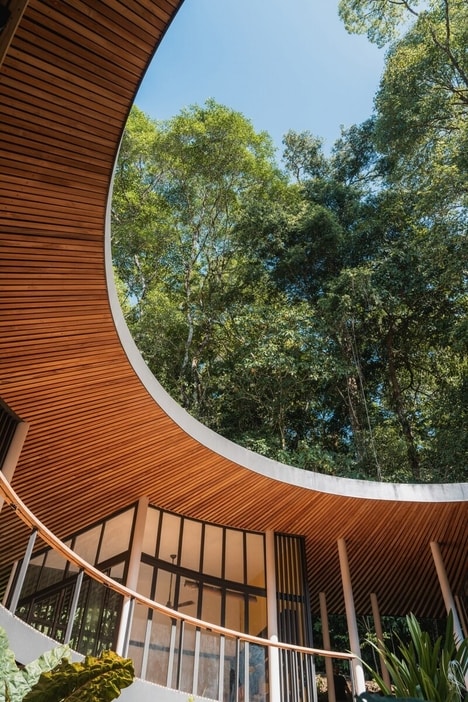
Geoship introduced geodesic dome homes designed to rethink housing from first principles, featuring mineral-based bioceramic composites adapted from medical implants. The company built its approach around geometric efficiency and modern production to produce standardized, resilient dwellings.
The structures pair Buckminster Fuller–inspired geodesic geometry with a bioceramic material that mimics bone, reducing material usage and on-site waste while enabling a projected 500-year design life and high fire, wind and seismic resilience. Geoship has a 15,000-square-foot pilot factory in Grass Valley and secured California factory-built housing certification for its first model.
For consumers, the homes promise faster delivery, lower lifecycle costs and improved indoor health through non-toxic materials and greater energy efficiency. By converting housing into a product-engineered system, Geoship aims to address affordability, speed and climate resilience in one scalable package.
Image Credit: Geoship
What's Driving This Trend
- Bioceramic Building Materials
- A mineral-based composite that mimics bone chemistry suggests a shift toward long-lived, non-toxic structural materials with lower embodied carbon and reduced on-site waste.
- Geodesic Modular Housing
- Buckminster Fuller–inspired geometry combined with standardized components presents a pathway to highly material-efficient, resilient dwelling forms that simplify scaling.
- Factory-built Productized Homes
- Converting housing into a manufactured product offers predictable quality, faster delivery timelines, and lifecycle cost reductions compared with traditional site-built methods.
Who This Affects Most
- Residential Construction
- The emergence of engineered dome systems and certified factory models indicates pressure on conventional builders to adopt industrialized processes and alternative material stacks.
- Medical Materials Manufacturing
- Techniques and formulations from implant-grade bioceramics point to cross-industry applications where bioinspired composites deliver durability and indoor-health benefits in built environments.
- Disaster-resilient Infrastructure
- High fire, wind, and seismic performance coupled with long design life suggests new asset classes for emergency housing and long-term resilient community structures.