The HS 640 is a hard-sided pop-up truck camper developed by Alaskan Campers on an all-new platform engineered to reduce weight while expanding compatibility with a wider range of pickup trucks. The camper uses 1.5-inch structural insulated panels with high-density PIR foam between fiberglass skins to create a rot-resistant shell with R-11 insulation. Measuring approximately 6.3 feet long and weighing 1,500 pounds dry, the design fits most standard 6.5-foot truck beds while reducing the load placed on the towing vehicle.
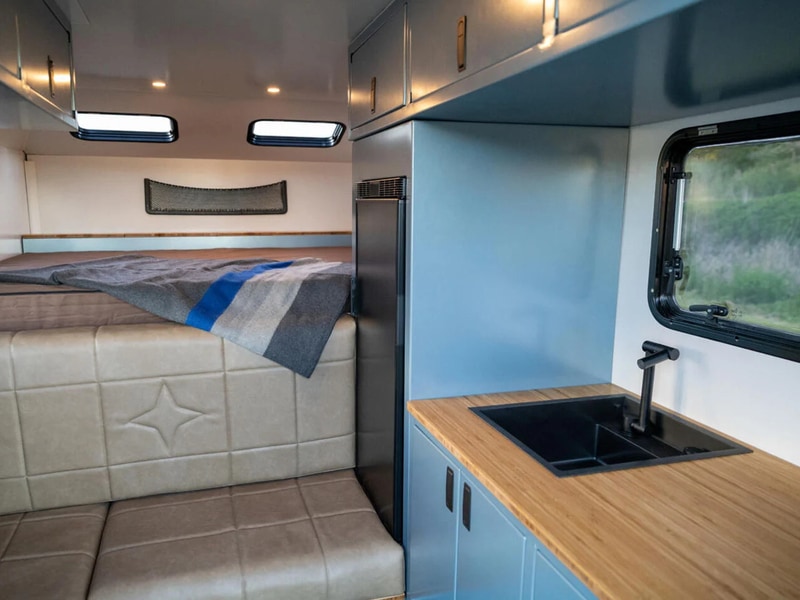
The interior combines aluminum cabinetry with bamboo trim and includes an induction cooktop, sink, 90-liter refrigerator, L-shaped seating area, detachable Lagun table, and a queen-size RoamRest mattress. An indoor and outdoor shower and a portable composting toilet support extended travel. Optional equipment includes a 180-degree awning, up to 400 watts of rooftop solar panels, a 324 Ah Expion 360 battery, a 3,000-watt inverter, and a 57-liter fresh water tank for off-grid use. The HS 640 starts at $47,495.
Image Credit: Alaskan Campers
Part of the cluster
Adventure Downsizing
Smaller recreational towables support longer, self-sufficient outdoor trips
Explore the cluster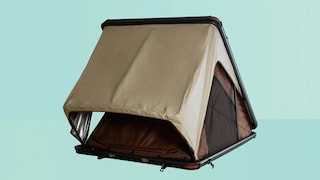
Why This Trend Is Growing
- Lightweight Overlanding
- Advanced composite shells and compact layouts create room for campers that serve smaller trucks while maintaining durability, comfort, and extended-trip capability.
- Hard-sided Pop-ups
- Rigid insulated lift systems blend the security of traditional RVs with the lower profile and efficiency of collapsible camper formats.
- Off-grid Micro-living
- Solar power, high-capacity batteries, compact appliances, and water-efficient amenities are reshaping mobile living into a more self-sufficient travel model.
Industries Being Reshaped
- Recreational Vehicles
- Material innovation and modular design are expanding the addressable market for truck campers beyond heavy-duty pickup owners.
- Outdoor Travel
- Growing demand for flexible backcountry access is pushing travel products toward compact, resilient, and self-contained mobility solutions.
- Clean Energy Storage
- Integrated solar, inverters, and lithium battery systems are turning small campers into practical platforms for distributed off-grid power use.