
Category
Tech
Fixable Devices
Brands simplify packs to ease disposal and strengthen compliance.


Trend
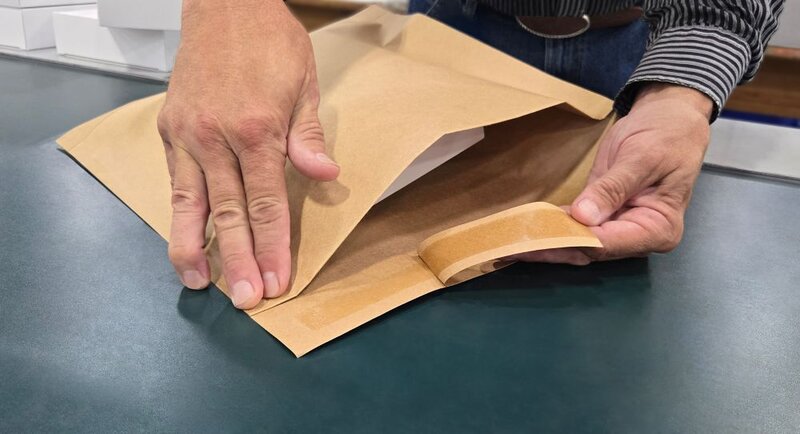
Circular Simplicity: Packaging development is moving toward simplicity through paper-based formats, mono-material components, and higher recycled-content containers. These designs are intended to make packs easier to move through the supply chain and process within existing waste systems without abandoning core performance needs.
Trigger
Regulation and retailer requirements are making packaging decisions more visible to individuals because brands must standardize what can be recycled, reported, or verified. On the consumer side, many expect companies to deliver lower-waste options without compromising quality, and consider good design, clear material choices, and traceable recycled content as proof of environmental commitment. While individuals have incorporated sustainable and lower-waste purchasing habits into their lifestyles, they still prioritize solutions that don't compromise the experience, confuse, or require extra effort.
Workshop question
Trajectory
Latest reading 5.6 for the week of Sep 28, 2026. Holding over the final 3 scored weeks (±0.0), −1.5 from its peak of 7.1 in the week of Aug 31, 2026. Momentum 1.2/10, persistence 2.5/10, backed by 4 research findings.
Evidence
Amcor Adds Traceable PCR Content to Tiptree's Packaging
Film producers can differentiate through certified recycled materials that combine compliance assurance with established shrink and stretch wrap performance.
RRD's VersaPac Combines Recyclability with High-Speed Fulfillment
High-speed, automation-ready shipping materials can reshape fulfillment economics by reducing line slowdowns, excess parcel volume, and labor-dependent handling.
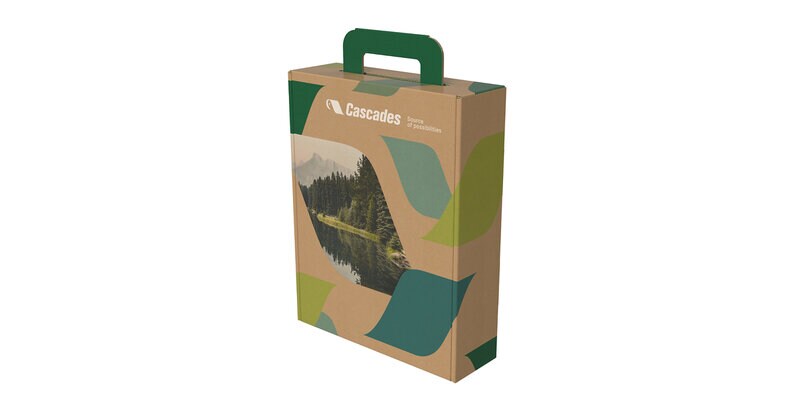
Cascades Sharpens Graphics on Recycled Board with lithoURB
Converters gain access to recycled boards that support polished lithographic results while maintaining production durability and recyclability.
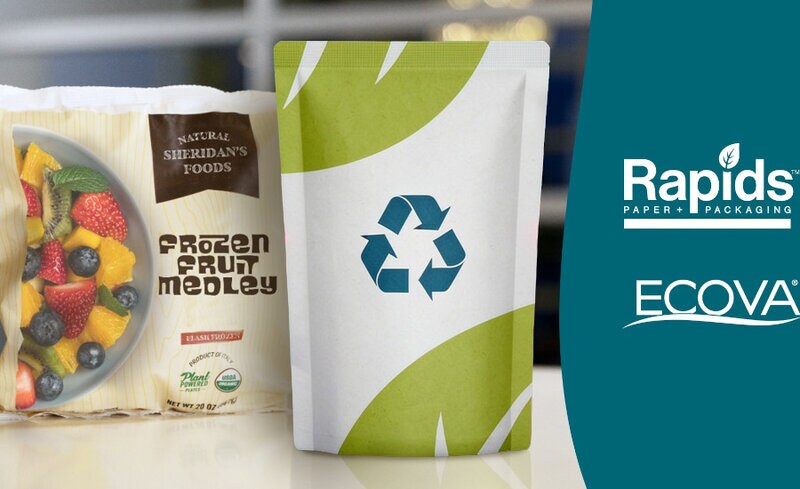
ECOVA Replaces Plastic Across Flexible Packaging Applications
Barrier paper formats introduce new competitive pressure in a market historically dominated by plastic films and multilayer laminates.
HCCB Uses 17µm Nano Cast Film to Reduce Packaging Material
High-stretch nano cast films point to new competitive advantages in packaging systems that use less plastic without compromising containment performance.
Anchor Packaging Uses One Design for Dine-In and Takeout Containers
Interchangeable container systems point to new competitive space for manufacturers focused on efficiency-driven formats rather than incremental improvements to traditional lids an…
APR Opens A Digital Tool For Assessing Plastic Packaging Recyclability
Digital assessment platforms are reshaping packaging development by embedding recyclability guidance directly into design and approval processes.

Spectra's Classico Jar Range Uses 55% PCR Content
Beauty and personal care brands can benefit from premium recycled jars that preserve shelf appeal while improving recyclability and PCR compliance.
14 Trend Hunter articles were grouped into the wider weekly cluster this trend was identified in, over 2 weeks.
 Film-Free Beverage MultipacksCoca-Cola Tests Glue-Bonded PET Bottle Packs in Europe
 Low-Volume Coffee PackagingSunDance Offers Valve Pouches with Smaller Order Minimum
 Seaweed-Based Packaging CoatingsBiomaterials Startup Kelpi's SeaCoat Was Approved by the US FDA
 Standardized Low-Carbon PackagingMondi Streamlines FIXIT GRUPPE's Bags to Reduce Emissions
 Water-Soluble Retail BagsRaro Bags Creates Packaging Designed to Dissolve After Use
 Retrofit Child-Resistant PackagingChemular's Safeguard Adds Child Resistance to Existing Cans
Research
Circular Pack Intelligence
Sustainability claims alone are no longer enough when consumers and regulators expect real operational progress.
Brands are moving toward packaging intelligence because they need solutions that reduce waste while still preserving convenience, product integrity, and cost discipline.
Mono-Material Minimalism
As recycling systems struggle with mixed materials, both regulators and eco-conscious shoppers favor simple, clearly recyclable packaging.
Mono-material and paperized solutions answer this demand while also offering a canvas for premium visual design. Brands that strip out layers and coatings not only improve recyclability but also signal transparency and modernity, turning minimalist structures into a visible badge of environmental intent.
Circular Compliance
Sustainability is becoming harder to treat as marketing polish because regulation, infrastructure, and procurement are turning it into an operational requirement.
Brands now need scalable systems that make circular behavior measurable, practical, and supply-chain-ready, not just emotionally appealing.
Frictionless Sustainability
Consumers increasingly want to make better choices, but they do not want those choices to add cost, complexity, or uncertainty.
That means sustainability claims only convert when they are convenient, visible, and believable in the moment of purchase or use. Brands must treat sustainability less as a moral ask and more as a friction-reduction challenge.