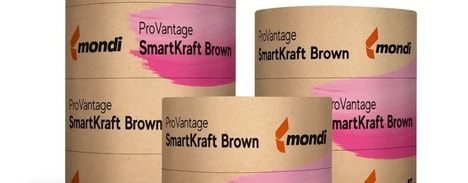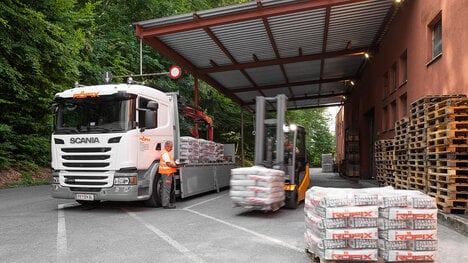

Mondi and Kärcher have collaborated on eco-conscious product packaging for the S 4 Twin Go!Further push sweeper, which features plastic components containing 30% recycled material. The packaging uses brown paper paired with advanced digital printing to communicate the product's sustainability features while maintaining visual appeal. A white underprint allows Kärcher's signature yellow and detailed graphics to appear clearly against the darker surface. The process also produces readable barcodes and fine lettering, while water-based inks support a more resource-conscious approach.
For manufacturers, this packaging method demonstrates how environmental messaging can coexist with recognizable branding. Mondi's computer-to-print technology removes the need for printing plates, allowing production quantities to respond more closely to demand. This flexibility can help businesses avoid excess packaging while maintaining consistent presentation across retail channels.
Image Credit: Kärcher
What's Driving This Trend
- Digitally Printed Packaging
- Plate-free computer-to-print systems create openings for brands to personalize packaging, reduce overproduction, and align shorter production runs with shifting retail demand.
- Sustainable Brand Visibility
- Eco-conscious substrates paired with advanced underprinting enable recognizable colors and detailed graphics to remain prominent without relying on conventional high-impact materials.
- Demand-responsive Production
- Flexible packaging workflows support leaner inventory models, where manufacturers can adjust quantities more precisely while preserving shelf-ready consistency.
Who This Affects Most
- Packaging
- Brown paper, water-based inks, and digital print technologies are reshaping packaging development around lower-waste formats that still support premium visual communication.
- Consumer Goods
- Product makers gain new ways to communicate recycled content and sustainability attributes directly through packaging while maintaining familiar brand cues in stores.
- Printing
- Digital printing providers are positioned to disrupt plate-based production by offering faster changeovers, variable runs, and high-quality graphics on more sustainable materials.