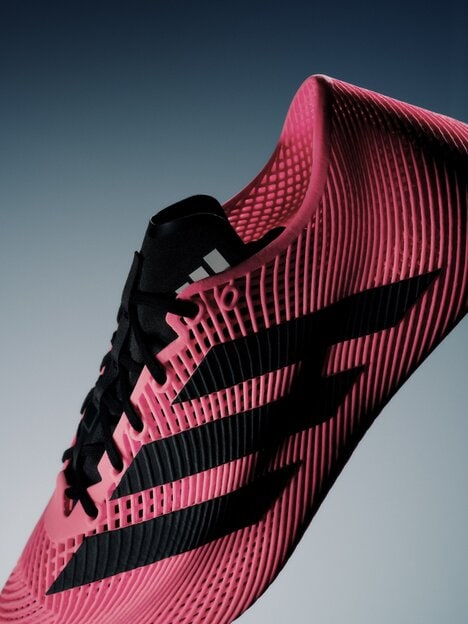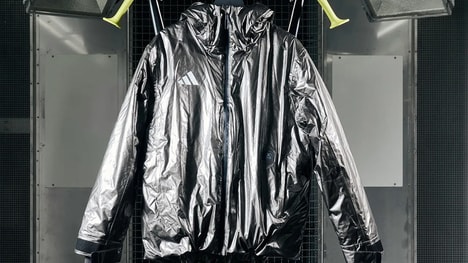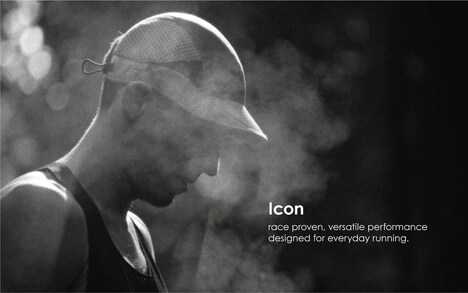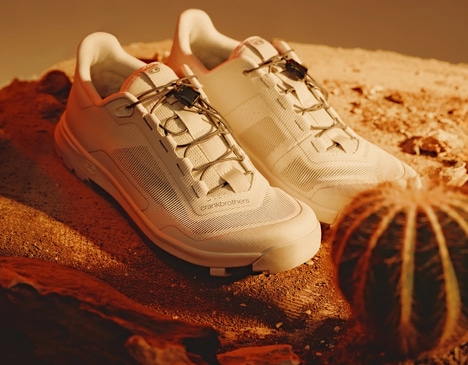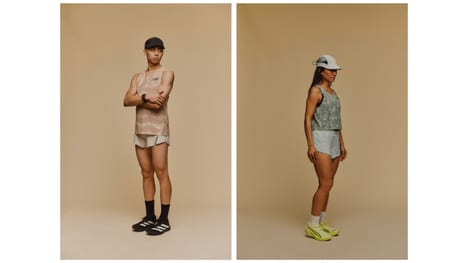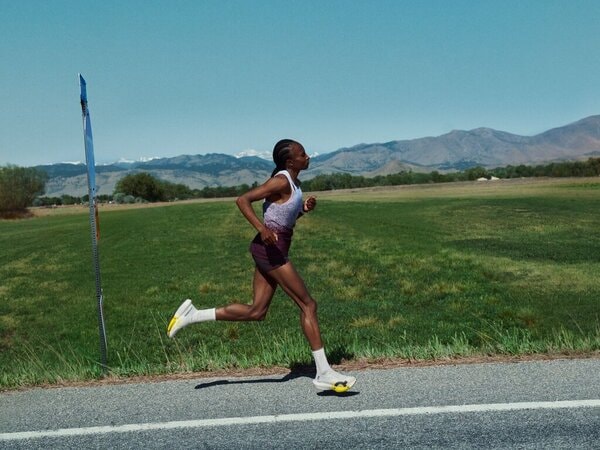
Adidas is expanding hot-weather training gear with CLIMACOOL+, a performance collection built to keep airflow high when sessions heat up. The lineup includes a CLIMACOOL+ singlet, a CLIMACOOL+ jersey concept, a tank, a vest, and the CLIMACOOL System, all aimed at keeping athletes cooler while they push pace.
The singlet is framed around maximum airflow and minimal heat, while the vest is pitched for tackling tough conditions and cutting friction. The collection also leans into temperature control, with the system described as handling every degree and supporting prepare, perform, recover routines.
It also pushes performance apparel toward more specialized, climate-aware pieces that promise comfort when the tempo and temperature both climb.
Image Credit: adidas
What's Driving This Trend
- Climate-adaptive Activewear
- Performance apparel is shifting toward garments engineered for specific heat and humidity conditions, creating space for sensor-informed fabrics and region-specific training collections.
- Airflow-first Design
- Ventilation is becoming a core product feature in athletic gear, opening possibilities for advanced mesh structures, body-mapped cooling zones, and friction-reducing construction.
- Recovery-linked Apparel
- Training clothing is expanding beyond workout use into preparation and recovery moments, suggesting new value in systems that manage temperature across the full athletic routine.
Who This Affects Most
- Sportswear
- Technical apparel brands are increasingly competing on climate performance, making breathable materials and cooling systems central to product differentiation.
- Fitness Equipment
- Connected training environments can pair with heat-ready apparel to create integrated performance ecosystems for indoor and outdoor athletes.
- Textile Technology
- Material innovation around moisture movement, airflow, and thermoregulation is gaining relevance as brands seek lighter, cooler, and more adaptive fabrics.