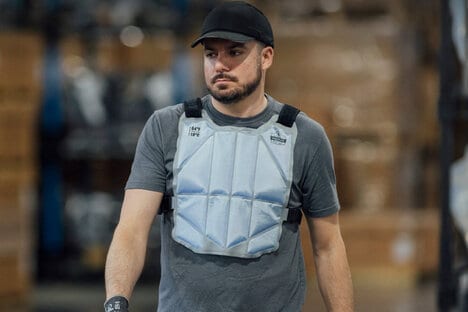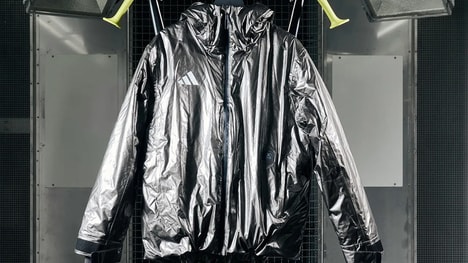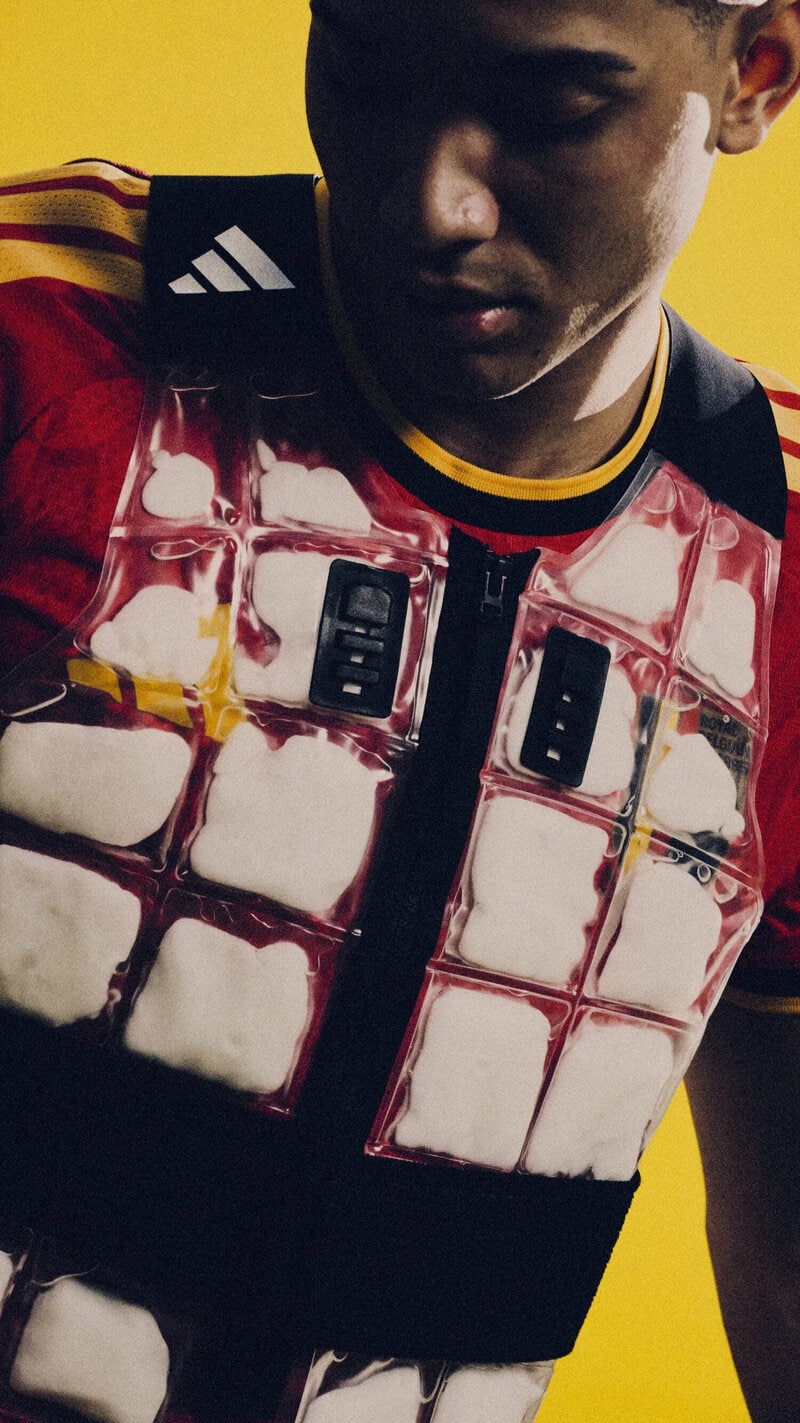
Athlete cooling systems are becoming more visible in elite sports as INUTEQ's technology supports the adidas CLIMACOOL System for athletes facing hot and humid conditions. The collaboration incorporates INUTEQ's expertise in controlled cooling, including its patented INUTEQ-PAC phase change technology. The company's related PCM CoolOver cooling vest is designed to support pre-cooling, recovery and heat management, helping athletes maintain greater comfort when temperatures rise. The technology reflects growing attention to environmental conditions as part of athletic preparation.
For INUTEQ, working with adidas provides global visibility for cooling technology that has traditionally operated behind the scenes in professional sports. The collaboration can also demonstrate the wider potential of heat-management products as rising temperatures affect athletes, workers, travelers and outdoor enthusiasts. For sportswear companies, integrating specialized cooling systems creates opportunities to expand performance offerings beyond apparel and footwear while addressing increasingly important climate-related performance challenges.
Image Credit: INUTEQ/Adidas
Key Themes Behind This Trend
- Phase-change Performance Gear
- Phase-change materials embedded in athletic systems create new potential for temperature-regulating products that move beyond moisture wicking into active thermal management.
- Climate-adaptive Sportswear
- Rising heat and humidity are increasing demand for sportswear that responds to environmental stress, opening space for apparel platforms built around comfort, safety and sustained performance.
- Pre-cooling Recovery Systems
- Athlete preparation is expanding to include wearable cooling before and after exertion, signaling growth for recovery tools that address heat load as a measurable performance factor.
Where This Applies
- Sports Apparel
- Technical partnerships with cooling specialists give sportswear brands a pathway to differentiate performance lines with science-backed thermal comfort features.
- Professional Sports
- Elite teams and training organizations are incorporating heat-management systems into preparation routines, creating opportunities for equipment that supports performance in extreme climates.
- Outdoor Recreation
- Heat-mitigation wearables developed for athletes can translate into consumer products for hikers, travelers and outdoor workers seeking comfort in warmer conditions.