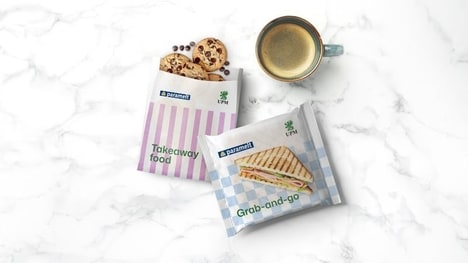
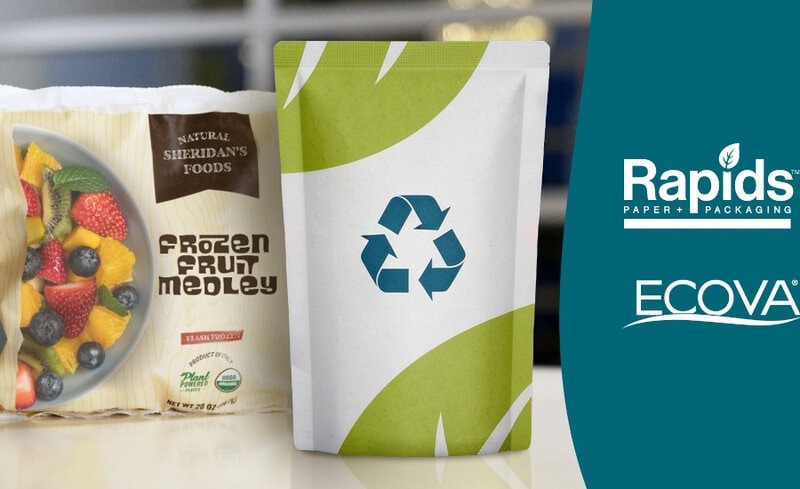
Rapids Paper + Packaging is expanding its ECOVA portfolio with a barrier paper designed to reduce plastic use across flexible packaging applications. The ECOVA Barrier line combines heat sealability with moisture protection, achieving a moisture vapor transmission rate below 0.7 grams per 100 square inches per day. Using patented Paperlock technology, the material can run on existing vertical and horizontal form-fill-seal and pouching equipment. It is also available as rollstock or premade pouches, helping brands adopt paper-based formats without extensive equipment changes.
The expanded platform gives food and consumer goods brands another route to pursue plastic-reduction and sustainability goals while maintaining necessary product protection. For Rapids Paper + Packaging, compatibility with existing machinery can lower adoption barriers and broaden its potential customer base. Flexible minimum orders also allow brands to trial the material before moving into larger commercial volumes.
Image Credit: Rapids Paper + Packaging
What Makes This Trend Stand Out
- Heat-sealable Barrier Paper
- Paper-based materials with moisture protection and sealability are reshaping flexible packaging by reducing reliance on plastic without sacrificing shelf-life requirements.
- Retrofit-friendly Sustainable Packaging
- Compatibility with existing form-fill-seal and pouching equipment creates a lower-friction path for brands to adopt sustainable materials at commercial scale.
- Low-volume Packaging Trials
- Flexible minimum orders support experimentation with alternative packaging formats, giving brands more room to validate performance before full rollout.
Sectors Adopting This
- Flexible Packaging
- Barrier paper formats introduce new competitive pressure in a market historically dominated by plastic films and multilayer laminates.
- Food and Beverage
- Moisture-resistant paper packaging offers food brands a practical route to align sustainability goals with product protection demands.
- Consumer Goods
- Plastic-reduction materials that work with current packaging lines can accelerate sustainable format adoption across household and personal care products.