
Category
Business
Assisted Conversion
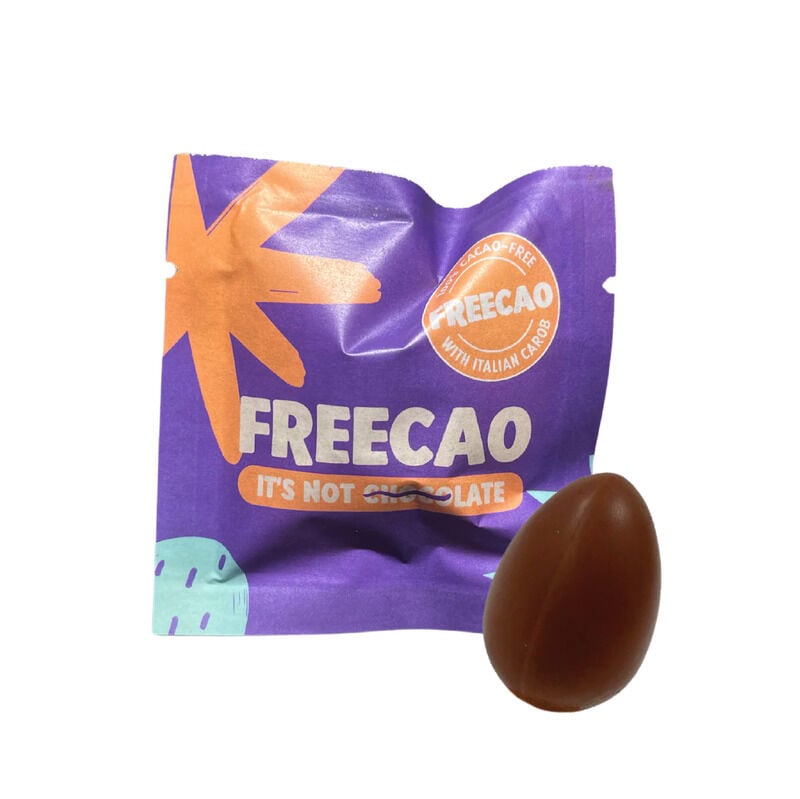
Food brands are adopting carob as a more nutritious cocoa alternative.



Trend
Carob Baking: Food brands reformulate chocolate‑style bars, beverage mixes, bakery inclusions and shelf‑stable snacks using roasted carob powders and syrups; offerings tout lower caffeine, natural sweetness, fiber content and allergen‑friendly positioning while mimicking familiar chocolate flavor profiles.
Insight
Some shoppers want chocolate, like indulgence without caffeine, theobromine or common allergen associations; others seek perceived healthier swaps, such as more fiber, less bitter compounds, and plant-forward novelty. Retailers and formulators face pressure to diversify free-from shelves and capture audiences constrained by allergy, pregnancy, or stimulant avoidance. Yet taste expectations and emotional ties to cocoa are high, so consumer uptake depends on believable sensory parity.
Trend themes
Carob is being utilized as a sustainable and health-focused alternative to traditional cocoa in a variety of chocolate-inspired products.
Carob-derived fibers are gaining traction in the functional foods sector, driven by their prebiotic benefits and reduced gastrointestinal side effects.
The use of carob, particularly sourced from regions like Italy, showcases a trend towards local and region-specific ingredients to create unique and sustainable food products.
Industry implications
The shift to carob from cocoa highlights an industry-wide movement towards more environmentally sustainable food ingredient sourcing and production.
Carob-based products with health benefits reflect the growing functional food and beverage industry, targeting consumers seeking dietary benefits beyond basic nutrition.
The increasing popularity of carob as an ingredient underscores a significant trend in the free-from and allergen-friendly food industry, catering to those with dietary restrictions.
Workshop question
Trend signals
Trend score 5.8 out of 10, from popularity 60%, activity 58%, freshness 55%.
Evidence
Foreverland's Chocolate-Free Easter Eggs are Made with Italian Carob
The food and beverage industry can explore innovative ways to cater to dietary restrictions and sustainability concerns by developing products like chocolate-free Easter eggs made…
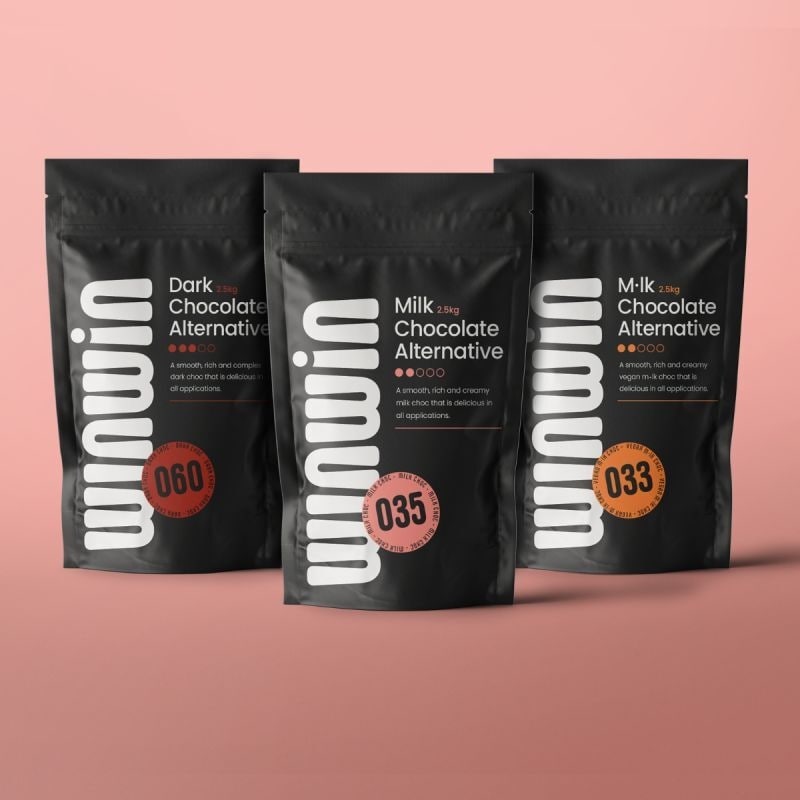
Win-Win is Bringing Ethical Cocoa-Free Products to Market
The introduction of cocoa-free chocolates offers traditional confectioners a novel method to diversify their product lines.
The CSM Ingredients Nuaré Cocoa Alternative is Versatile
The alternative food ingredients industry can capitalize on the emerging demand for sustainable and versatile substitutes like carob-based cocoa alternatives.
Sweet Freedom CHOC POT Hazelnot Has a Nut-Free Recipe
Companies are tapping into the niche market of allergen-free foods, unlock fresh opportunities in product development tailored to sensitive consumers.
CarobWay' CarobBiome' Doesn't Cause Gastrointestinal Upset
The functional food industry is experiencing growth through the introduction of novel ingredients aimed at enhancing health and wellness, specifically gut health.
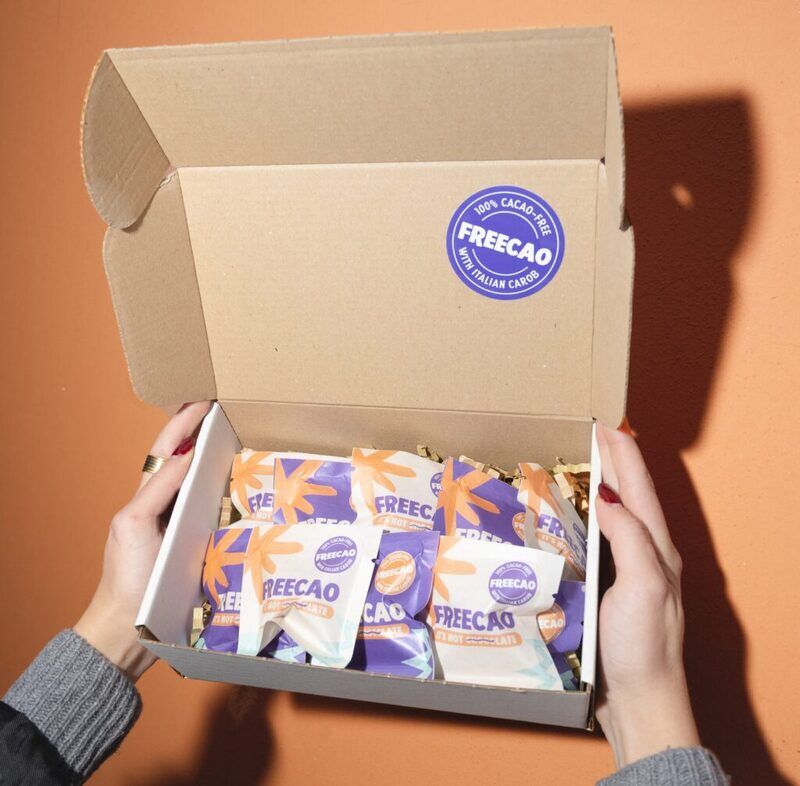
Freecao from Foreverland is Arriving in Italy with Two Products
Health-conscious consumers can find cocoa-free chocolate products appealing due to their low glycemic index, high antioxidant content, and high fiber levels