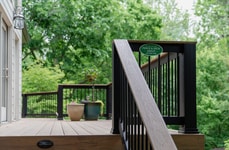
Homes are increasingly created with recycled and repurposed materials
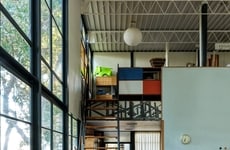
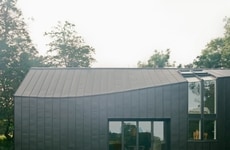
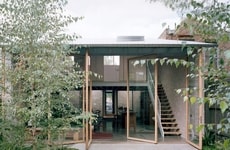
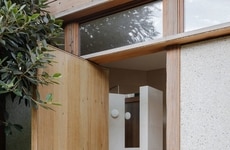
Trend - Developers, builders and designers use reclaimed bricks, salvaged structural timber and recycled concrete as primary framing and exterior materials; projects range from single-family retrofits to multiunit developments,. Materials are obtained from repurposed aggregate and certified supply chains.
Insight - Buyers and communities increasingly seek visible sustainability that signals material circularity beyond cosmetic gestures. Rising construction waste, embodied carbon scrutiny and tighter sourcing constraints make repurposed structural materials attractive to those who value permanence, story and authenticity in the built environment. Homeowners appreciate the aesthetic patina and perceived durability, while developers see potential costs and regulatory upsides.
Insight - Buyers and communities increasingly seek visible sustainability that signals material circularity beyond cosmetic gestures. Rising construction waste, embodied carbon scrutiny and tighter sourcing constraints make repurposed structural materials attractive to those who value permanence, story and authenticity in the built environment. Homeowners appreciate the aesthetic patina and perceived durability, while developers see potential costs and regulatory upsides.
Workshop Question - How can our brand integrate sustainable and repurposed materials into our offerings to align with the growing demand for visible sustainability and material authenticity?
Trend Themes
-
Circular Construction Practices — Reclaimed and recycled materials are becoming standard in new construction, challenging traditional supply chains and encouraging sustainable architecture.
-
Flexible Living Spaces — Building designs increasingly incorporate multifunctional areas, reflecting an adaptive approach to meet varying lifestyle needs without sacrificing aesthetic qualities.
-
Local Material Sourcing — The move towards using locally inspired materials in construction emphasizes a connection to regional history and environment, supporting both sustainability and cultural continuity.
Industry Implications
-
Construction and Real Estate — The construction sector is now innovating with eco-friendly practices, using recycled materials to address demands for sustainable building and efficient resource use.
-
Interior Design — Designers are capitalizing on the trend towards flexible spaces, crafting interiors that adapt to varying uses while maintaining stylish and functional environments.
-
Sustainable Materials Manufacturing — A shift towards producing materials that support circular economy principles presents opportunities for innovation in eco-friendly product development.
4 Featured, 24 Examples:
12,950 Total Clicks
Date Range:
Jun 25 — Oct 25
Trending:
This Year and Mild
Consumer Insight Topics: