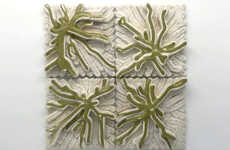

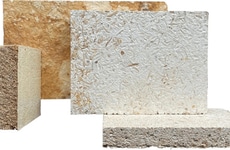
Mycelium emerges as a reliable material for sustainable building projects
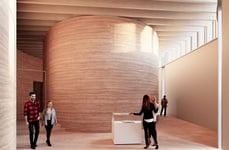
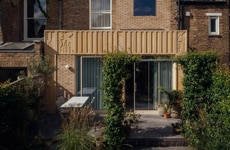
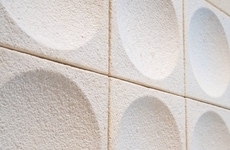
Trend - Architects are utilizing fungal mycelium—the root-like network of mushrooms—as a building material in homes, panels, and insulation. With its low energy and carbon-negative nature, this material claims to replace traditional, energy-intensive ones like concrete, brick, or synthetic insulation.
Insight - Modern lifestyles have undeniably disrupted natural ecosystems, prompting a growing number of consumers to scrutinize the environmental impact of their daily choices. In response, they are increasingly drawn to solutions that work with nature—materials and products that restore balance rather than cause harm. Brands that embrace such innovations can align with consumer values and exceed environmental standards, positioning them ahead of competitors in a sustainability-driven market.
Insight - Modern lifestyles have undeniably disrupted natural ecosystems, prompting a growing number of consumers to scrutinize the environmental impact of their daily choices. In response, they are increasingly drawn to solutions that work with nature—materials and products that restore balance rather than cause harm. Brands that embrace such innovations can align with consumer values and exceed environmental standards, positioning them ahead of competitors in a sustainability-driven market.
Workshop Question - What are some alternatives for many of your brand's go-to materials?
Trend Themes
-
Mycelium-biobased Architecture — Biobased materials like mycelium are reshaping architectural norms by providing sustainable alternatives to conventional building materials.
-
Carbon-negative Innovations — The shift towards carbon-negative technologies exemplifies an environmental paradigm, prioritizing materials and processes that actively reduce carbon footprints.
-
Nature-tech Synergy — Innovations drawing parallels between natural systems like mycelium and digital technologies highlight opportunities to integrate ecological principles with advanced tech applications.
Industry Implications
-
Green Building Materials — Incorporating eco-friendly building materials can revolutionize construction and architecture by reducing environmental impact and enhancing sustainability credentials.
-
Acoustic Design — Integrating sustainable materials into acoustic design offers a fresh landscape for developing sound-absorbing solutions that are both environmentally and aesthetically pleasing.
-
Eco-technology — Blending ecological principles with technological advancements creates fertile ground for innovations that recognize and mimic the underlying patterns of nature.
4 Featured, 27 Examples:
23,049 Total Clicks
Date Range:
Nov 23 — Oct 25
Trending:
This Year and Warm
Consumer Insight Topics: