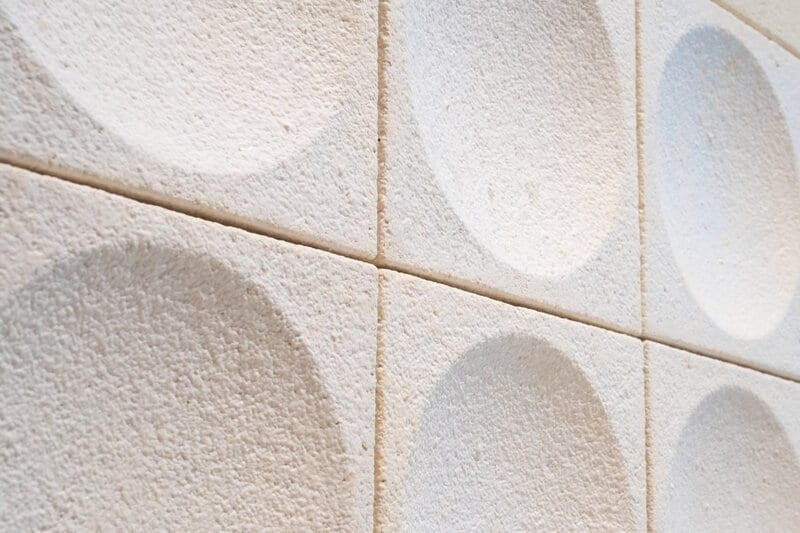
Impact Acoustic’s Mycelium Wall Tile combines natural growth with sound performance by transforming fungal root networks into architectural surfaces. Each tile is cultivated using agricultural by-products and mycelium, creating a carbon-negative material that absorbs sound while enhancing interior air quality. The format offers a lightweight, tactile alternative to conventional wall panels, providing both visual warmth and functional efficiency. The material’s organic texture subtly reflects its biological origins, giving spaces a calm, natural character.
Engineered for clarity within the speech-frequency range, the tile achieves strong acoustic absorption while meeting modern safety standards. Its neutral tone and modular geometry allow easy integration into diverse environments, from offices to hospitality interiors. The design unites science and craftsmanship, showing how sustainable innovation can elevate acoustic design without aesthetic compromise. Impact Acoustic’s Mycelium Wall Tile represents a new direction in material development rooted in regeneration and performance.
Image Credit: Impact Acoustic
What's Driving This Trend
- Bio-based Acoustics
- Using mycelium and agricultural by-products to create carbon-negative acoustic tiles emphasizes a shift towards sustainable sound solutions in architectural design.
- Regenerative Materials
- Emphasizing materials that incorporate fungal root networks showcases a rising trend in regenerative materials that improve both environmental impact and interior air quality.
- Aesthetic Sustainability
- The combination of natural textures with modern design highlights a trend where sustainability and aesthetics are no longer mutually exclusive in interior design.
Who This Affects Most
- Sustainable Interior Design
- The use of mycelium for creating sound-absorbing wall tiles offers the interior design industry an eco-friendly alternative to traditional materials.
- Green Building Materials
- Integrating organic and carbon-negative materials like mycelium into building products suggests significant growth opportunities for companies focused on green construction.
- Acoustic Solutions
- Innovations in sound absorption that incorporate sustainable materials provide a forward-thinking approach to acoustic management in both commercial and residential spaces.