Cardiovascular measurement is becoming more continuous with wellness devices
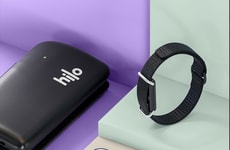
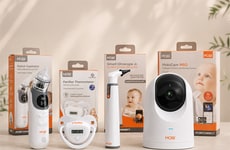
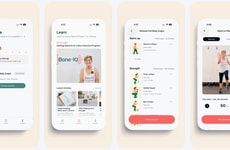
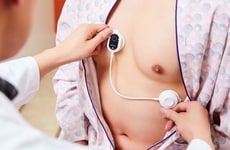
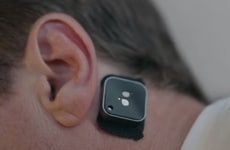
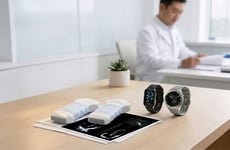
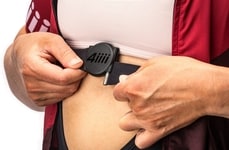
Trend - Wellness brands have expanded health tracking beyond step counts and sleep into blood pressure and related cardiovascular readings. These products are marketed as everyday monitoring solutions for health data continuity. They can turn a single measurement into a more persistent record to support clinic follow-ups and pattern visibility.
Trigger - The wellness category, with its technologically advanced features, has affected consumer expectations regarding long-term health management. Whether it is related to aging or managing an existing condition, consumers are increasingly mindful of bodily changes and that health needs don't always fit neatly into occasional medical appointments. For peace of mind and to ensure they are receiving the best care possible, many are looking for convenient and proactive solutions that support well-being oversight and health data collection. This gives them a stronger sense of control over their health outcomes.
Trend Themes
-
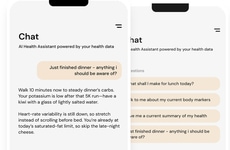
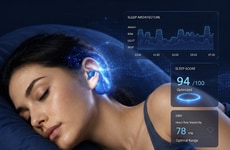
Continuous Cardiovascular Tracking — Always-on blood pressure and vascular monitoring is reshaping wellness devices into longitudinal health tools, creating room for platforms that translate passive biometric streams into clinically useful pattern intelligence.
-
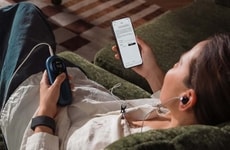
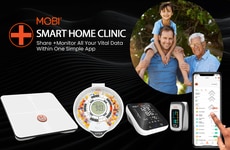
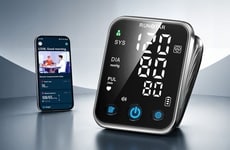
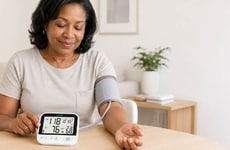
Home-based Care Connectivity — Cellular, Bluetooth, and app-linked monitors are closing the gap between households and care teams, opening space for remote systems that reduce friction in chronic condition oversight.
-
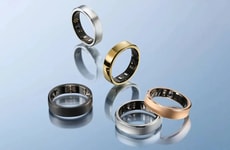
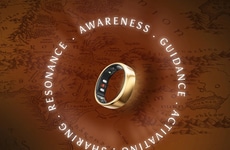
Subscription-free Health Wearables — One-time-purchase smart rings and monitors are challenging recurring-fee health tech models, with affordability and ownership becoming differentiators in preventive wellness adoption.
Industry Implications
-
Digital Health — Consumer-grade cardiovascular devices are expanding digital health beyond fitness metrics, suggesting opportunities for interoperable ecosystems that connect wellness tracking with formal care pathways.
-
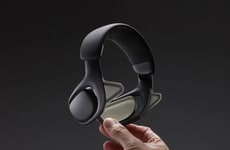
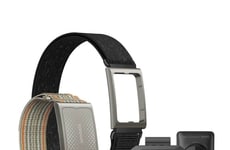
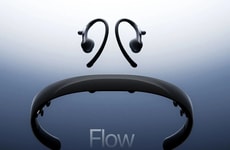
Medical Devices — Connected cuffs, optical sensors, and adaptive wearable systems are modernizing traditional cardiovascular measurement, leaving room for smaller, more comfortable tools that maintain clinical relevance.
-
Remote Patient Monitoring — Automated data transmission and longitudinal symptom visibility are strengthening remote patient monitoring, especially where hypertension management depends on timely readings outside clinical settings.