
Category
Lifestyle
Territory Bottlings
Wearable health devices increasingly feed home readings into formal care plans.


What's Happening
Care Routing: Consumer health devices are being built to share readings with clinicians or fit into covered monitoring programs, integrating wellness wearables into formal care delivery. Designed around specific medical use cases, they turn data into insights that inform follow-up decisions, escalation, or ongoing treatment conversations.
Why It's Happening
Many people are waiting longer for appointments, trying to remember what changed between visits, and repeating their health history to a fragmented care team. In that gap, small changes in health may go unobserved, and neither patients nor providers want to guess what matters or add in-person follow-ups just to find out. Self-tracking tools that bring observation into daily life create a credible, shareable record that speaks for itself, giving patients something to point to and something for providers to act on, so changes are easier to raise, spot, and respond to.
Evidence
Samsung Adds Three-Tier Breathing Labels to Galaxy Wearables
Wearable makers are differentiating hardware through software-based health features that can extend device relevance without major physical redesigns.
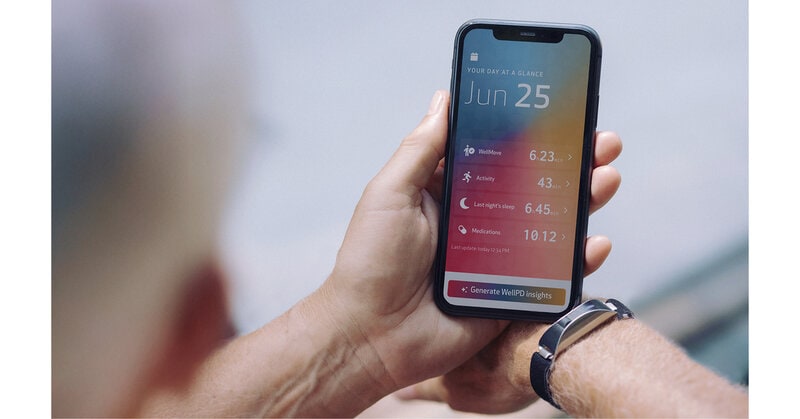
Empatica Launches WellPD for At-Home Symptom Tracking
Home-based disease monitoring platforms expand the role of software-connected devices in longitudinal care and patient-provider communication.
WHOOP Launches Connected Care for Older Adults
Wearable platforms are expanding from fitness optimization into regulated care environments where longitudinal data supports prevention and disease management.
Sutter Health and Bodyport Track Heart Failure Measurements
Platforms combining FDA-cleared devices, analytics, and patient portals are reshaping how providers manage chronic conditions at home.
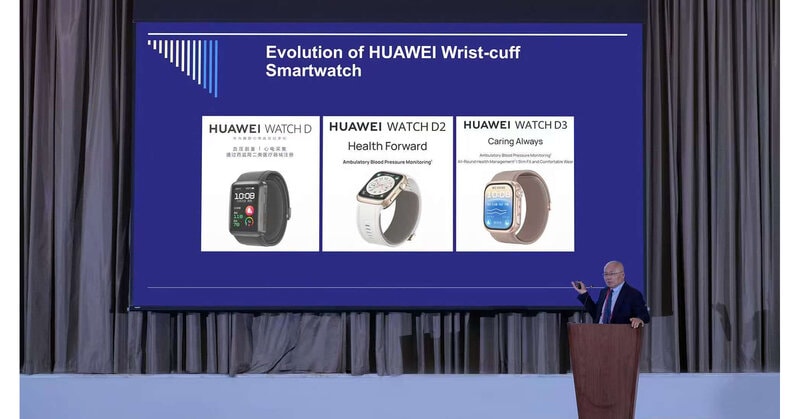
Huawei Adds Exercise Tracking to the WATCH D3
Smartwatch makers are gaining opportunities to differentiate through medically validated sensors that extend beyond activity tracking into preventative care.
Workshop question
How could your brand make personal data feel trustworthy enough to share with an expert or service provider?
Trend themes
Wearable health tools are moving beyond personal dashboards into care-team workflows, creating openings for platforms that translate continuous readings into trusted clinical signals.
Covered programs for chronic conditions are making home tracking more accessible, revealing space for services that align consumer-grade devices with payer requirements and medical documentation.
Disease-focused sensors and algorithms are narrowing wearable use cases, with value emerging around early escalation, medication optimization, and longitudinal symptom context.
Industry implications
Digital health vendors are positioned around connecting devices, records, and clinical decision support as monitoring shifts from episodic appointments to everyday environments.
Regulated device makers face growing demand for comfortable, validated, and condition-specific tools that can support diagnosis-adjacent screening and home-based care management.
Payers and benefits providers are gaining new pathways to fund preventative monitoring, chronic care engagement, and lower-cost interventions before acute events require escalation.
Trajectory
Latest reading 8.7 for the week of Oct 26, 2026. Holding over the final 3 scored weeks (±0.0), at its peak of 8.7. Momentum 7.4/10, persistence 5.0/10, backed by 4 research findings.
12 Trend Hunter articles were grouped into the wider weekly cluster this trend was identified in, over 3 weeks.
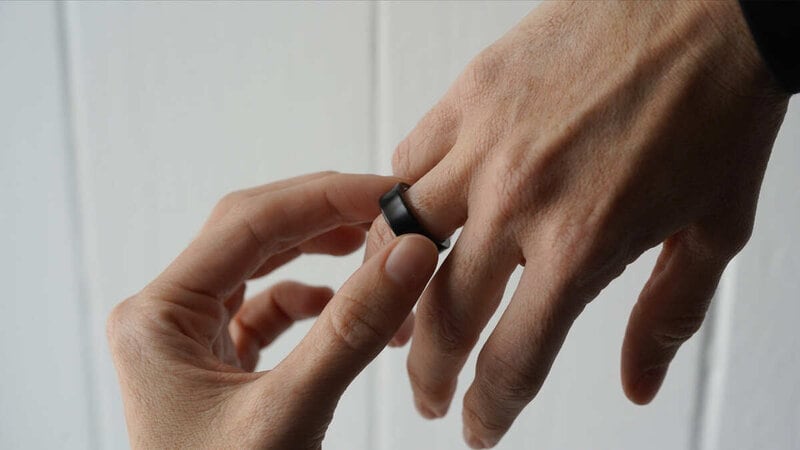
 Modular Health WearablesAlloop’s Trio Wearable Switches Between A Ring And Wristband
 Smartwatch-Connected Fitness ClassesOrangetheory Brings Workout Tracking to Apple Watch
 Cardio Tracking RingsOura Adds Cardio Effort and VO2 Max to Its Ring Workout Tracking
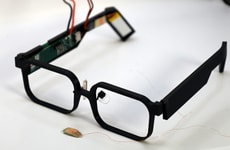 Battery-Free Health GlassesNorthwestern Develops Battery-Free Health-Sensing Glasses
 Core-Tracking Rehab BracesNeuroCore High Schoolers Build a Brace That Tracks Core Stability
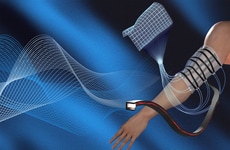 Shape-Sensing Wearable SheetsMIT Develops Flexible Materials That Track Body Movements
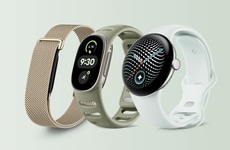 All-in-One Fitness WearablesGoogle's Fitbit Edge Combines Health Tracking with Everyday Style
Research
Wearable Health Hubs
As healthcare systems strain and appointments get scarcer, people are eager for tools that give them continuous visibility into their bodies—without needing a clinic visit.
Reframing wearables as health infrastructure, not just step counters, meets a desire for agency, early-warning signals, and shared data that can inform both personal decisions and clinician conversations. Brands that can bridge consumer-friendly design with medically credible insights will own this new “everyday diagnostics” space.
Preventive Wearables
Consumers increasingly want health feedback that feels continuous, personal, and actionable before problems become acute.
Wearables satisfy a growing desire to turn invisible bodily states—sleep quality, stress load, heart rate, recovery—into something trackable and manageable. The emotional appeal is not just optimization, but reassurance and a greater sense of control over everyday wellbeing.
Telehealth-Linked Wearables
Patients are no longer satisfied with occasional snapshots of their health; they expect ongoing insight and easy access to clinical guidance.
By linking always-on wearables with telehealth and provider dashboards, the health system can move from reactive to preventive, catching issues earlier and personalizing recommendations. For consumers, this offers reassurance and convenience—health monitoring that fits into daily life and connects seamlessly to professionals when needed.
Ambient Health Dashboards
Health data is moving from episodic clinical snapshots to continuous, ambient streams that inform daily habits.
Consumers want to see the real-time impact of food, sleep, and stress in a simple, non-alarming way. Devices and apps that translate complex biometrics into calm, actionable cues—rather than anxiety-inducing charts—will become central to how people self-manage longevity and performance.