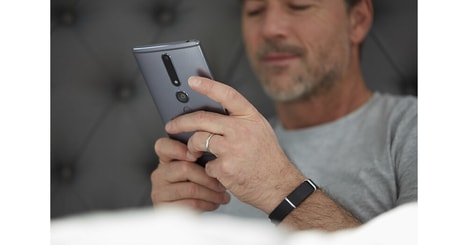
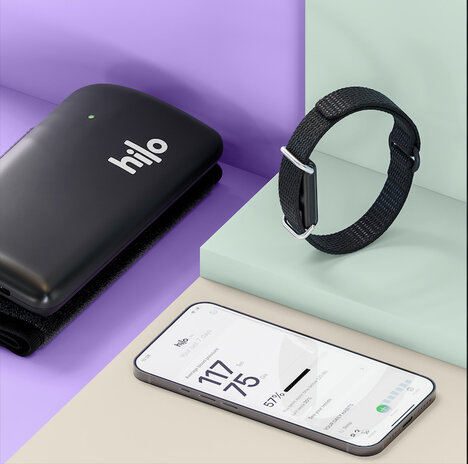
Huawei is advancing exercise-responsive blood pressure monitoring with the WATCH D3, a smartwatch that measures cardiovascular changes before and after physical activity. This new feature helps users recognize potentially unusual blood pressure responses while receiving guidance to support more informed exercise decisions.
The device uses ultra-narrow inflatable airbag technology to measure blood pressure directly from the wrist. Its exercise monitoring mode has received EU medical device certification and Class II registration in China. Huawei is also researching a monitoring method that combines optical sensors with cuff measurements, potentially reducing required inflations from 27 to seven.
For Huawei, these capabilities strengthen its health-focused wearable portfolio while expanding opportunities in preventative healthcare. Partnerships with medical institutions and dedicated research funding support further development of wearable monitoring applications, potentially increasing the technology's relevance to healthcare professionals and everyday consumers.
Image Credit: Huawei
Key Themes Behind This Trend
- Exercise-responsive Biometrics
- Wearables that interpret physiological changes around workouts create room for more personalized cardiovascular risk detection and adaptive fitness guidance.
- Cuffless Hybrid Monitoring
- Combining optical sensors with inflatable cuff readings signals a path toward less intrusive medical-grade tracking in consumer devices.
- Certified Preventative Wearables
- Regulatory-cleared smartwatch features are blurring the line between wellness tools and clinical monitoring platforms for everyday health management.
Where This Applies
- Wearable Technology
- Smartwatch makers are gaining opportunities to differentiate through medically validated sensors that extend beyond activity tracking into preventative care.
- Digital Health
- Connected monitoring data can support new remote care models that identify abnormal cardiovascular responses earlier and outside traditional clinical settings.
- Sports Medicine
- Exercise-linked blood pressure insights introduce new possibilities for safer training programs among athletes, older adults, and people managing cardiovascular conditions.