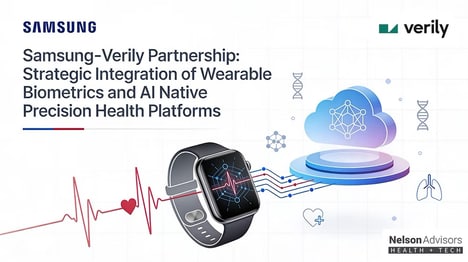

Samsung introduced a blood pressure measurement feature for select Galaxy Watch models, enabling users to read systolic and diastolic estimates on the wrist via the Samsung Health Monitor app, featuring periodic calibration with an upper-arm cuff. The capability works by calibrating the watch's heart rate sensors to a cuff-derived baseline and requires re-calibration every 28 days; it is available on Galaxy Watch4 and later devices running Watch OS 4.0 and Android 12 or higher.
Samsung positioned the feature as an additional health metric alongside FDA-cleared sleep apnea detection and ECG alerts, and said passive trend monitoring would arrive later this year.
For consumers, on-wrist blood pressure readings deliver convenient at-home tracking and trend awareness, though Samsung notes the tool is not intended for clinical diagnosis, underscoring the growing consumer demand for continuous, consumer-facing cardiovascular insights.
Image Credit: Samsung
Key Themes Behind This Trend
- On-wrist Blood Pressure Monitoring
- A shift toward non-invasive, cuffless blood pressure estimates on consumer smartwatches that enables frequent at-home cardiovascular data collection and personalized trend analysis.
- Consumer Cardiovascular Monitoring
- Growing consumer appetite for continuous heart health metrics beyond step counts, opening space for integrated multi-metric risk profiling and long-term trend insights.
- Calibration-dependent Wearable Sensors
- The reliance on periodic cuff calibration introduces hybrid-device ecosystems where wearable convenience is balanced with periodic clinical-grade reference measurements.
Where This Applies
- Wearable Health Technology
- Wearable makers can converge advanced PPG algorithms and sensor fusion to deliver medically relevant biometric estimates within consumer form factors.
- Remote Patient Monitoring
- Providers and platforms can incorporate frequent wrist-derived blood pressure trends into longitudinal care models and risk stratification frameworks.
- Mobile Health Applications
- Health app ecosystems that synthesize intermittent calibrated readings with passive sensor trends to offer contextualized cardiovascular insights and longitudinal visualization.