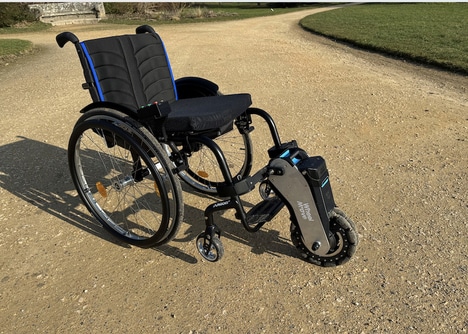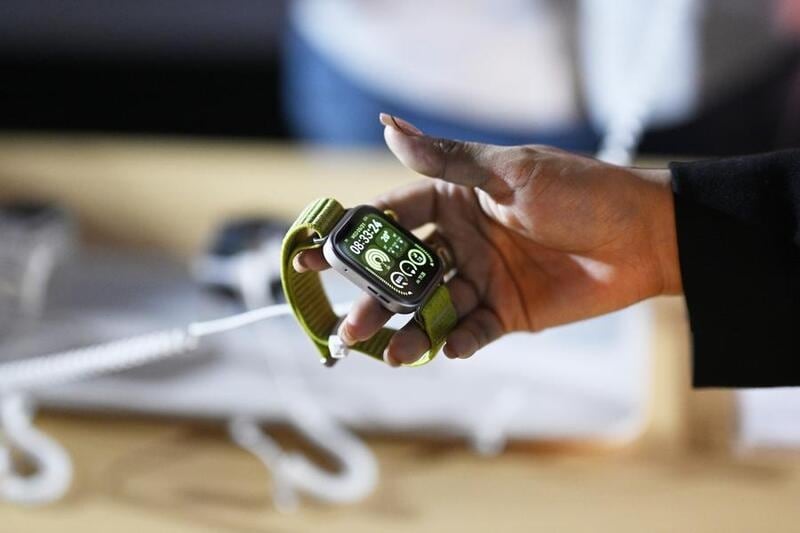
The technology company Huawei has announced the development of a specialized wheelchair mode for its smart wearable devices. This future-facing operational setting is designed to track and analyze the physical activity of individuals who use wheelchairs.
The wheelchair mode monitors metrics such as push cycles, exercise duration, and caloric expenditure, thereby extending the product's health and fitness functionalities to a broader user demographic. The innovation addresses a notable gap in the mainstream wearable technology market, which has traditionally focused on step counting and activities predicated on walking or running.
The announcement was contextualized within the brand's reported commercial success in the global wearable market, citing leading shipment figures and improved standing in international brand rankings.
Image Credit: Xinhua/Li Muzi
Why This Trend Is Growing
- Inclusive Wearable Technologies
- By incorporating features like wheelchair mode, wearable tech brands can diversify their offerings to better serve individuals with varying physical mobility needs.
- Customizable Fitness Analytics
- Smartwatches that offer specialized activity tracking settings provide users with personalized health insights tailored to their specific lifestyle and physical conditions.
- Adaptive Health Monitoring
- Wearable devices adapting to track a range of physical activities, beyond traditional metrics, cater to a wider audience seeking comprehensive health data analysis.
Industries Being Reshaped
- Wearable Technology
- The evolution toward more universally adaptable smartwatches marks a significant shift in designing tech products that resonate with diverse consumer groups.
- Assistive Technologies
- Integrating advanced activity tracking in devices meant for individuals with disabilities aligns with the growing demand for technological innovations improving quality of life.
- Healthcare and Fitness
- As wearable devices gain features like wheelchair mode, they significantly enhance personal health management for users with specific mobility challenges.