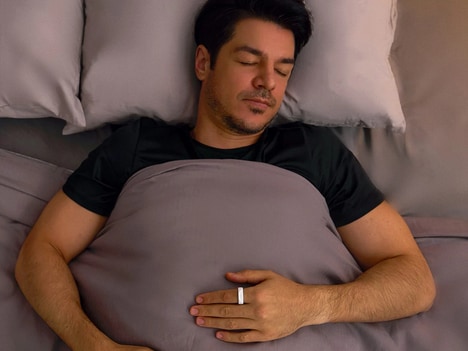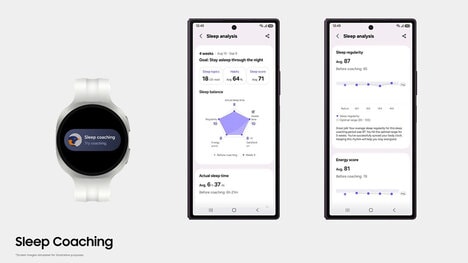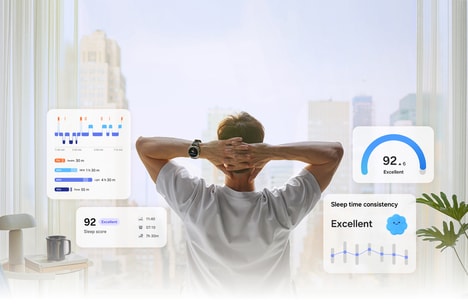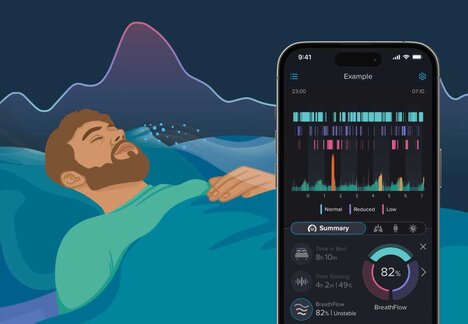
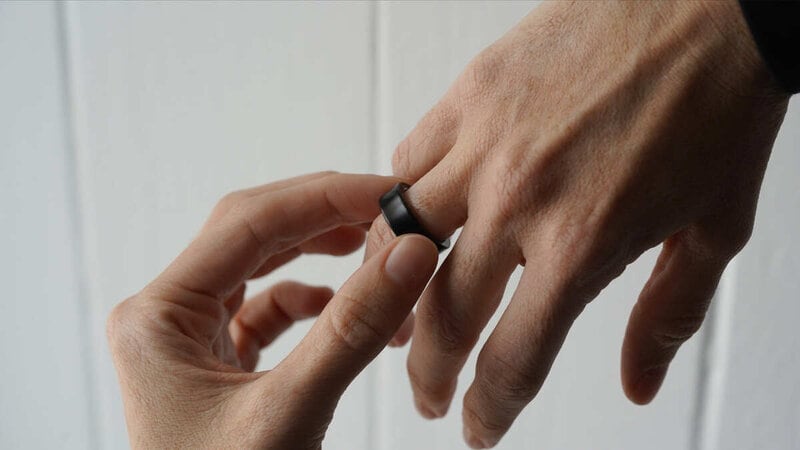
Samsung is expanding sleep apnea tracking on Galaxy Watches and Galaxy Ring with a new three-tier system that classifies breathing disruptions as mild, occasional or frequent. The update adds more detail to the existing feature, giving users a graded result instead of a simple detection alert.
The feature has received clearance from the U.S. Food and Drug Administration and South Korea’s Ministry of Food and Drug Safety, with a rollout planned for South Korea in November. Sleep apnea detection has been available on Galaxy Watch models dating back to the Galaxy Watch 4, while Galaxy Ring received FDA clearance earlier this year for its own sleep apnea detection feature.
The new classifications give users more context about detected breathing disruptions, though the feature is not a substitute for medical diagnosis. The update also builds on Samsung’s push to expand health monitoring through software on its wearable devices.
Image Credit: Kaitlyn Cimino, Android Authority
What Makes This Trend Stand Out
- Tiered Health Alerts
- Graded wellness labels are creating room for consumer devices to move beyond binary notifications and deliver more nuanced health-risk context.
- Regulated Wellness Wearables
- FDA-cleared monitoring features are blurring the line between lifestyle tracking and medical screening across everyday connected accessories.
- Sleep Data Personalization
- More detailed overnight breathing insights point to new value in adaptive sleep coaching, insurance partnerships and longitudinal health analytics.
Sectors Adopting This
- Consumer Electronics
- Wearable makers are differentiating hardware through software-based health features that can extend device relevance without major physical redesigns.
- Digital Health
- Remote symptom tracking is expanding preventive care models by giving clinicians and users earlier visibility into recurring physiological patterns.
- Medical Devices
- Regulatory acceptance of sensor-enabled consumer products is opening pathways for lower-friction screening tools outside traditional clinical equipment.