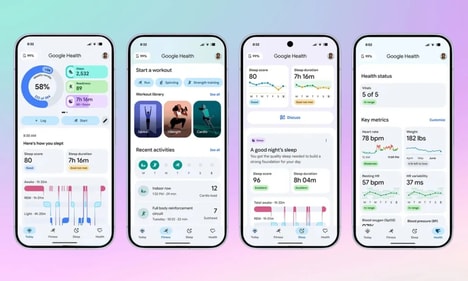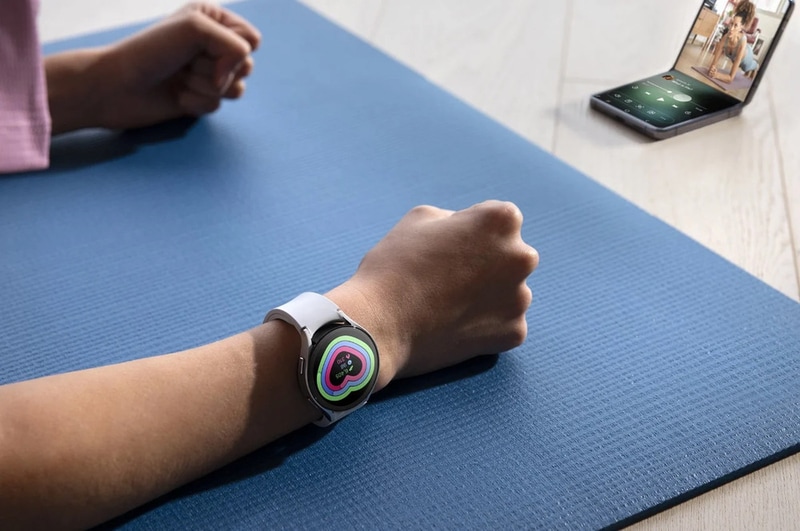
Samsung is developing a new Galaxy Watch health feature designed to predict sudden fainting episodes before they occur. The system uses biometric monitoring combined with AI analysis to detect patterns linked to syncope risk, including heart rate irregularities, blood pressure fluctuations, and circulation-related changes. According to the report, the watch continuously analyzes physiological signals in the background and issues alerts when warning signs associated with fainting are detected. The feature is intended to provide users with time to sit down, seek assistance, or respond before losing consciousness.
The update expands Samsung’s ongoing health tracking ecosystem beyond standard activity and sleep monitoring. Existing Galaxy Watch models already support ECG measurements, blood oxygen tracking, body composition analysis, and irregular heart rhythm notifications. The new predictive system focuses on passive monitoring through wearable sensors rather than manual health checks.
Image Credit: Samsung
Key Themes Behind This Trend
- Predictive Syncope Detection
- Enables early identification of fainting risk by correlating multimodal physiological signals, creating potential for systems that anticipate acute events before symptom onset.
- Passive Biometric Monitoring
- Supports continuous background sensing that reduces reliance on manual checks and opens pathways for always-on health surveillance integrated into everyday wearables.
- AI-driven Preventive Alerts
- Creates context-aware notification frameworks that distinguish transient anomalies from clinically significant patterns, enabling more precise risk communication to users and caregivers.
Where This Applies
- Wearable Device Manufacturers
- Stand to transform product roadmaps by embedding advanced sensors and onboard analytics that shift devices from activity trackers to proactive health platforms.
- Healthcare Providers and Telemedicine
- Could integrate continuous remote monitoring data into clinical workflows, offering richer longitudinal insights for diagnosis and preemptive patient triage.
- Insurance and Risk Management
- May leverage predictive physiological data to refine underwriting models and personalize premiums based on objectively monitored health risk profiles.