Category
Lifestyle
Ritual Beverage
Brands fuse known flavors, forms, and cultural cues to make sweets more shareable.
Trend
Trigger
Workshop question
Trajectory
Latest reading 8.5 for the week of Aug 31, 2026. Holding over the final 3 scored weeks (+0.0), at its peak of 8.5. Momentum 7.0/10, persistence 10.0/10, backed by 4 research findings.
Evidence
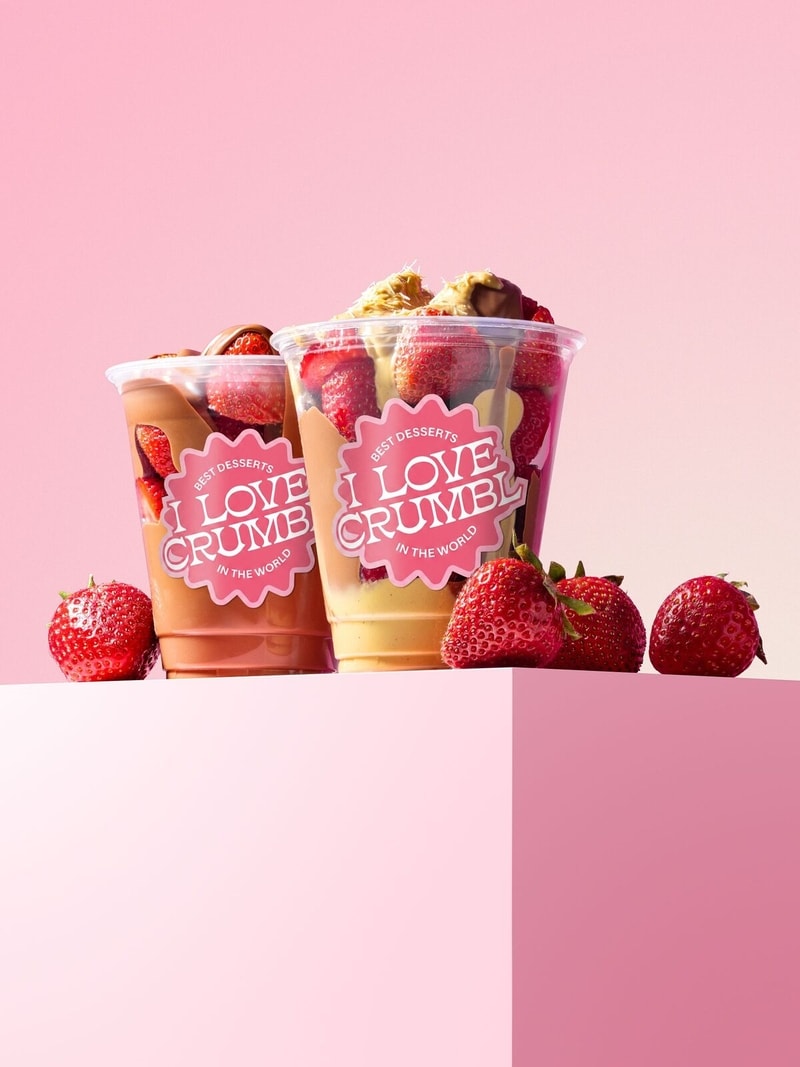
Crumbl Introduces Chocolate Strawberry Cups for the Season
Specialty dessert chains are broadening their product portfolios with limited-time formats that increase visit frequency and social sharing.
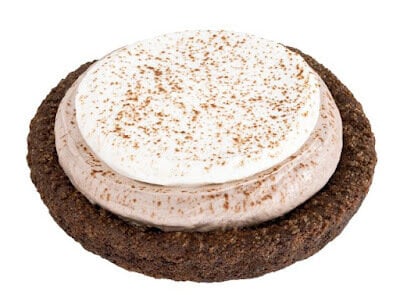
CategoryLifestyleCrumbl's Diner Week Lineup Includes a New Mississippi Mud Pie Cookie
Premium cookie brands are using flavor experimentation and themed assortments to differentiate in a crowded dessert market.
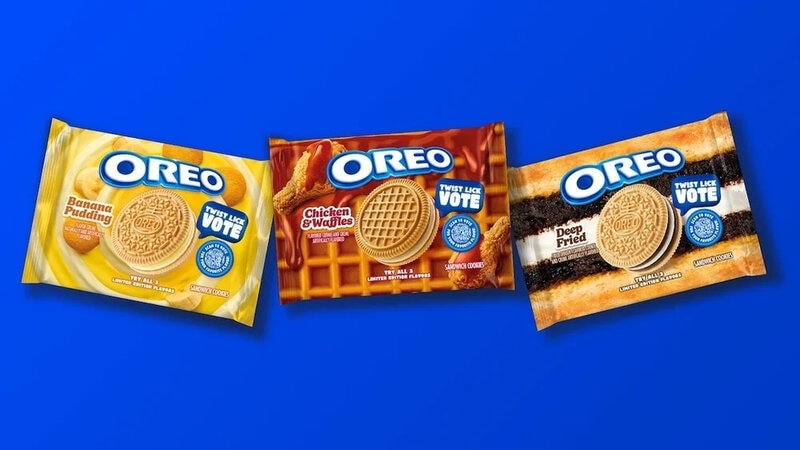
CategoryLifestyleOreo Twist, Lick, Vote Cookies Debut Three Limited-Edition Flavors
Limited-run products with interactive campaigns can transform routine grocery purchases into collectible, event-driven consumer experiences.
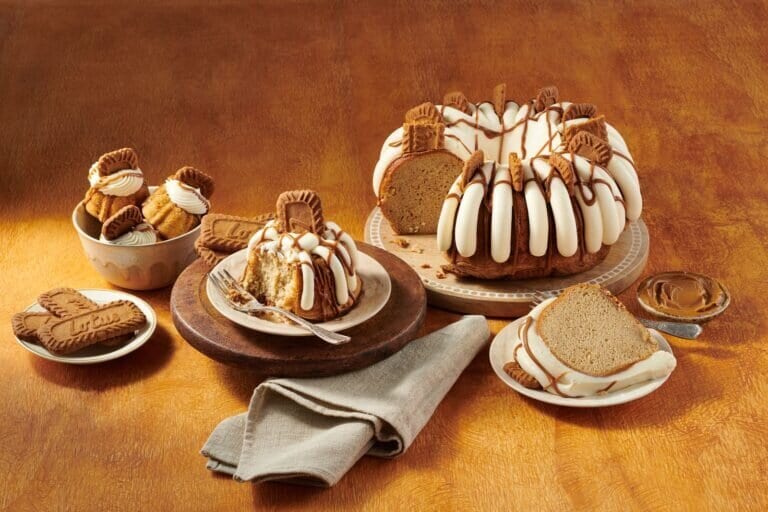
CategoryLifestyleNothing Bundt Cakes Fall Menu Has New and Returning Favorites
Seasonal menu drops offer differentiated traffic drivers for chains competing beyond everyday cake occasions.
CategoryLifestyleCrumbl's New Funnel Cake Cookie is Summer Ready
Warm, highly decorated cookies and layered dessert cups show how bakeries can differentiate through sensory formats, theatrical toppings, and flavor storytelling.
CategoryLifestyle54 Trend Hunter articles were grouped into the wider weekly cluster this trend was identified in, over 5 weeks.
 Data-Driven Seasonal SnacksGopuff Uses Customer Insights to Develop Fall Private Labels
 Dessert-Inspired Beer LaunchesVault City Brewing Launches Bake-Off Series Inspired by Desserts
 Coffee-Inspired Home FragrancesFebreze and Dunkin' Launched a Scent Collaboration
 Dessert-Inspired Creme BarsHershey’s Launches Salted Caramel and Affogato Creme Bars.
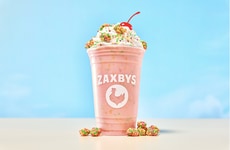 Candy-Infused MilkshakesZaxbys Blends NERDS Candy into Its Strawberry Milkshake
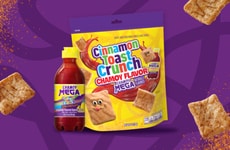 Cross-Category Flavor MashupsCinnamon Toast Crunch and Mega Foods' Chamoy Mega Swapped Flavors
 Cookie Portfolio Growth LinesMondelēz Expands Its Premium Snacking Reach with Tate’s Cookie Line
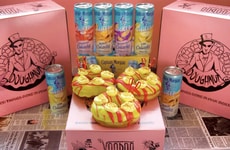 Tropical Doughnut TreatsCaptain Morgan Sliced Colada Variety Pack Inspires a Limited Doughnut
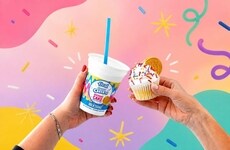 Cookie-Based Frozen Treatsf'real x OREO Launch the 'Golden OREO® Birthday Cake Milkshake'
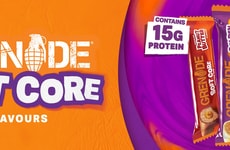 Indulgent Protein BarsGrenade Brought Its High-Protein Snacks to America
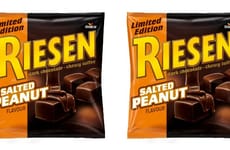 Nutty Salty-Sweet CandiesRiesen Salted Peanut Taps into the Popularity of Swatly
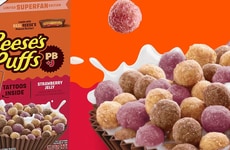 Pb&J-Inspired CerealsReese’s Puffs PB+J Cereal Tastes Like a PB&J Sandwich
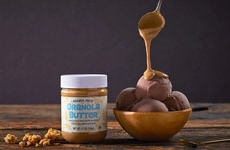 Oat-Based Granola ButtersTrader Joe's Granola Butter Has a Graham Cracker-Like Taste
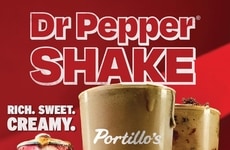 Cake-Infused ShakesThe Dr Pepper Cake Shake is Blended with an Entire Slice of Cake
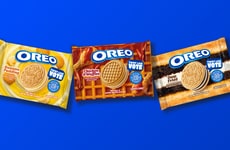 Savory-Sweet Sandwich CookiesOREO's Twist, Lick, Vote Lets Fans Decide the Winning Flavor
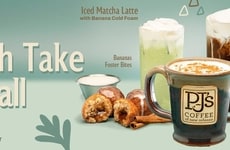 Banana Cold Foam DrinksPj's Coffee Has a New Banana Sweet Cold Foam for Two of Its Fall Drinks
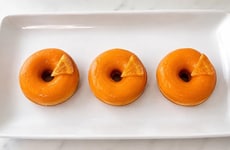 Dirty Soda Bakery FlavoringsEmbassy Ingredients Developed a Series of Nostalgic Flavors
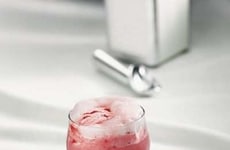 Patriotic Strawberry FloatsDenny’s Has a New Red, White & Berry Float for July 4th
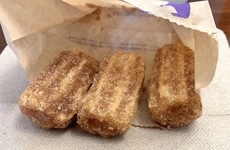 Mini Cinnamon Sugar ChurrosTaco Bell's New Cinnamon Sugar Churros Have Arrived
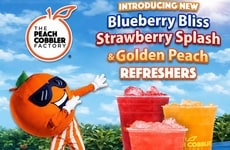 Fruity Iced Beverage LineupsThe Peach Cobbler Factory is Adding New PCF Refreshers
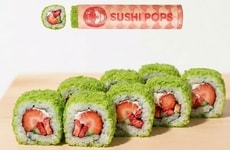 Tennis-Themed Dessert SushisThe Game, Set, Match-a Sushi Pop is Arriving for Wimbledon
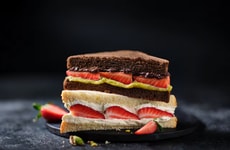 Chocolate-Pistachio SandwichesM&S Food Dropped a Limited-Edition Dessert Sandwich
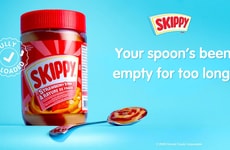 Swirled Berry Nut ButtersSKIPPY Strawberry Stripe Features a Swirl of Strawberry Jam
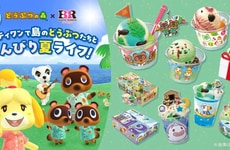 Cozy Gaming Ice CreamsThe Baskin-Robbins x Animal Crossing Partnership Has Treats and Merch
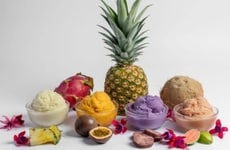 Tropical Fruit Bowl Baseseverbowl is Adding Four New Flavor Bases for a Limited Time
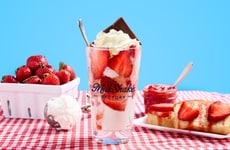 Sweet Strawberry Shortcake SundaesMilkshake Factory Has a New Strawberry Shortcake Sundae
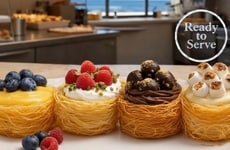 Ready-to-Fill Kataifi CupsMahroum Sweets' Kataifi Bird’s Nests Make Time-Saving, Premium Dishes
 Ice Cream Beauty Pop-UpsMERIT x Ruru Baked Hosted a Thematic Ice Cream Activation in Toronto
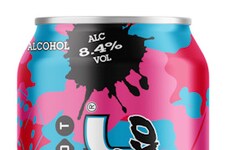 Hard Ice Cream-Inspired DrinksThe Raspberry Ripple Four Loko Jackpot Has a Caffeine-Free Recipe
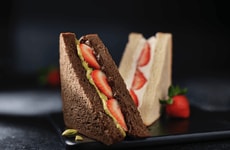 Pistachio Cream Dessert SandwichesThe Chocolate, Strawberry & Pistachio Cream Sandwich is at M&S
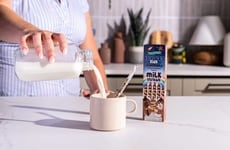 Fortified Child-Focused Milk StrawsHorlicks Kids Chocoland Milk Straws are Only at Home Bargains
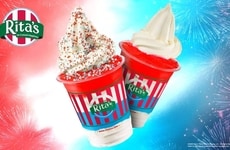 Patriotic Layered Gelato DessertsRita’s Has a New 4th of Gelati Treat for Independence Day
 Americana Cafe Refreshment MenusThe Dunkin' Fourth of July Menu Marks America's 250th
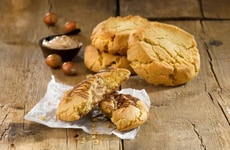 Customizable Foodservice CookiesThe Chunky Cookie Mixes from Dawn's Come in Two Varieties
 Viral Bakery ReinventionsSainsbury's Launches Dipped Croissants Inspired by Social Pastry Trends
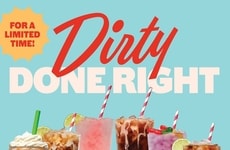 Creamy Soda MenusHat Creek Burger Company Created a Fun, Nostalgic Dirty Soda Lineup
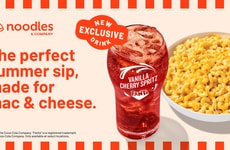 Menu-Paired SodasFanta Vanilla Cherry Spritz Was Made Exclusively for Noodles & Company
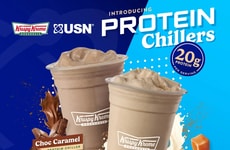 Chilled Protein DrinksKrispy Kreme South Africa Partnered with USN to Debut Protein Chillers
 Low-Cost Pistachio ChocolatesThe Lindt LINDOR Pistachio Milk Chocolate Bar is Priced at £2.50
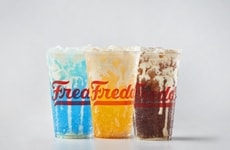 Custard Cream SodasThe Freddy's Bevies Lineup is a Richer, Creamier Take on Dirty Soda
 Decadent Dairy-Free CreamersForager Project's New Plant-Based Creamers are Comforting & Indulgent
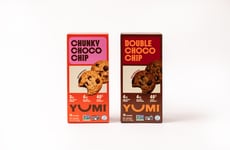 Snackable Functional Cookie LaunchesYUMI Delivers Chunky Chocolate Chip and Double Chocolate Chip
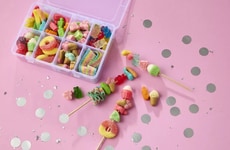 Curated Candy CollectionsThe Maud Borup Celebrations Collection Has Nine Pieces
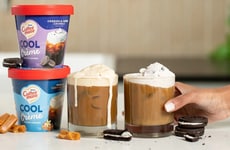 Frozen Coffee CreamersCoffee Mate's Cool Crème Frozen Creamers Were Sold by the Pint
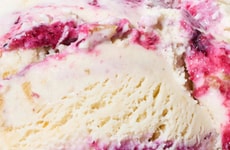 Berry-Forward Ice CreamsSalt & Straw's Berry Ice Cream Series Features a Mushroom-Infused Flavor
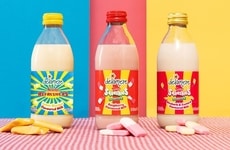 Candy-Flavored Milk ProductsDelamere x Swizzels Flavored Milk Comes in Three Familiar Flavors
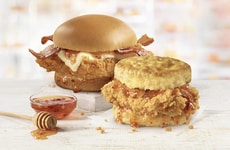 Hot Honey-Inspired QSR LineupsHardee's Calls Attention to Its Indulgent Hot Honey Platform
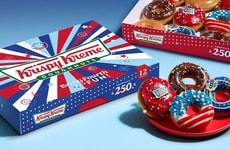 Patriotic Doughnut CollectionsKrispy Kreme Has a Fourth of July Collection for America's Birthday
 Soft Serve MargaritasBirrieria Chalio's New Frozen Cocktails Mash Up Two Cold Treats
Research
Aesthetic Lifestyle Sips
For young consumers, what they eat and drink is part of their personal brand.
Beverages and treats that map onto micro-aesthetics and subcultures let them signal who they are—or who they want to be—on social platforms. By packaging products as curated lifestyle kits, brands help consumers participate in trends with low effort, turning everyday purchases into self‑branding tools and content prompts.
Smaller Indulgence
Consumers still want comfort, taste, and reward, but appetite shifts and health pressure are changing how indulgence is justified.
The new sweet spot is a treat that feels controlled, functional, or premium enough to earn its place despite reduced consumption volume.
Familiar Novelty
Consumers want excitement, but they do not want to feel lost.
Familiar formats lower the risk of trial, while globally specific accents and nostalgic references add enough edge to keep products and menus culturally current. This is why brands are designing flavor as a bridge between comfort and discovery rather than a break from both.
Flavor Theater
Consumers no longer treat flavor as a background product attribute; it has become a form of cultural content.
Brands are turning taste into a shareable event because attention is harder to win and people increasingly want foods that feel like participation, not just consumption.