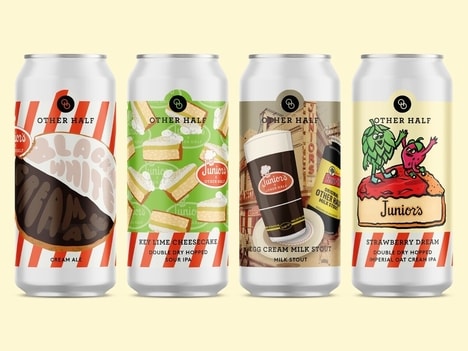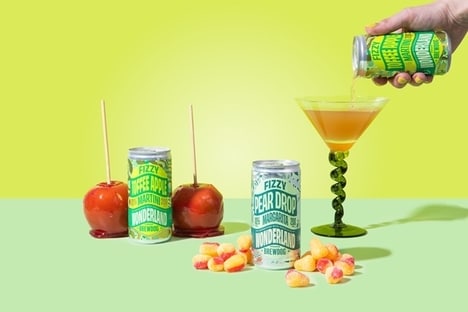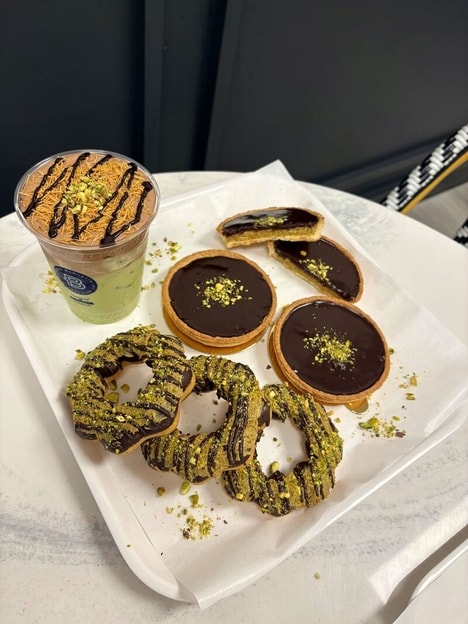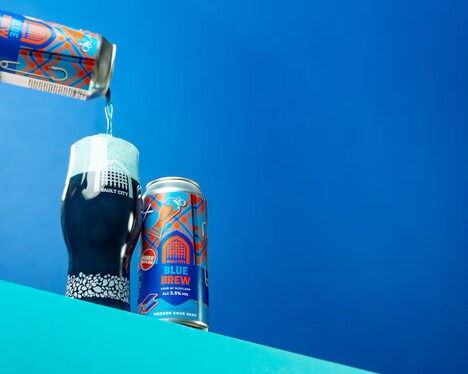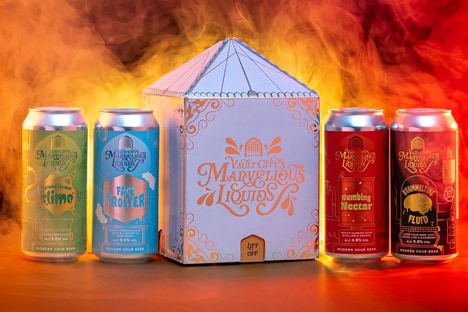
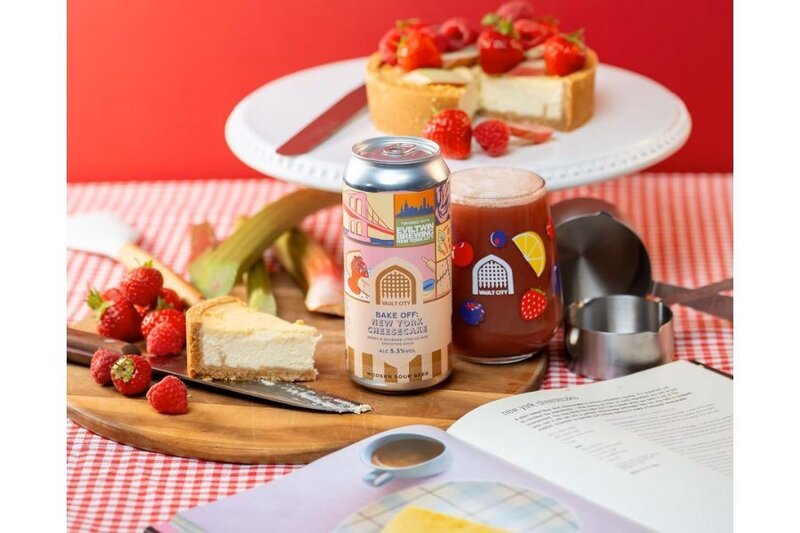
Edinburgh brewery Vault City Brewing has launched its Bake-Off Series, a collection of four sour beers inspired by desserts from around the world. Created with brewing partners in Japan, New York, Thailand and Scotland, the series draws on flavours associated with mochi, New York cheesecake, Thai sago pudding and cranachan.
The beers use unconventional ingredients including 500kg of rice, sago pearls, spirulina and fruit, while the cranachan-inspired sour is partially aged in Speyside whisky barrels. Each beer features an illustrated can design by Edinburgh artist Heather Fletcher.
The Bake-Off Series reflects how breweries are looking beyond traditional beer ingredients and flavour profiles for inspiration. By translating familiar desserts into beer, Vault City combines culinary references with experimental brewing techniques, creating products that blur the boundaries between food and drink.
Image Credit: Vault City Brewing
Part of the cluster
Dessert Mashups
Brands fuse known flavors, forms, and cultural cues to make sweets more shareable
Explore the cluster

What's Driving This Trend
- Dessert-flavored Beer
- Sweet culinary nostalgia in sour and craft beer formats reveals white space for brands blending patisserie cues with adult beverage experimentation.
- Cross-cultural Brewing
- International dessert inspirations and global brewing partners signal growing potential for limited releases that turn regional food traditions into premium drink experiences.
- Ingredient-led Experimentation
- Unconventional additions like rice, sago pearls, spirulina, fruit and barrel aging expand beer’s sensory range while supporting more distinctive product differentiation.
Who This Affects Most
- Craft Beer
- Independent breweries can redefine category expectations by translating familiar foods into complex, collectible beverage formats.
- Desserts and Confectionery
- Iconic sweets and regional dessert profiles provide a rich source of flavor IP for collaborations that extend treats into new consumption occasions.
- Alcoholic Beverages
- Hybrid products that blur food and drink boundaries point to broader premiumization opportunities across flavored, limited-edition and experience-driven alcohol segments.