Category
Art & Design
Oven Aesthetics
Seemingly irrelevant imagery used in ads to grab attention.
Trend
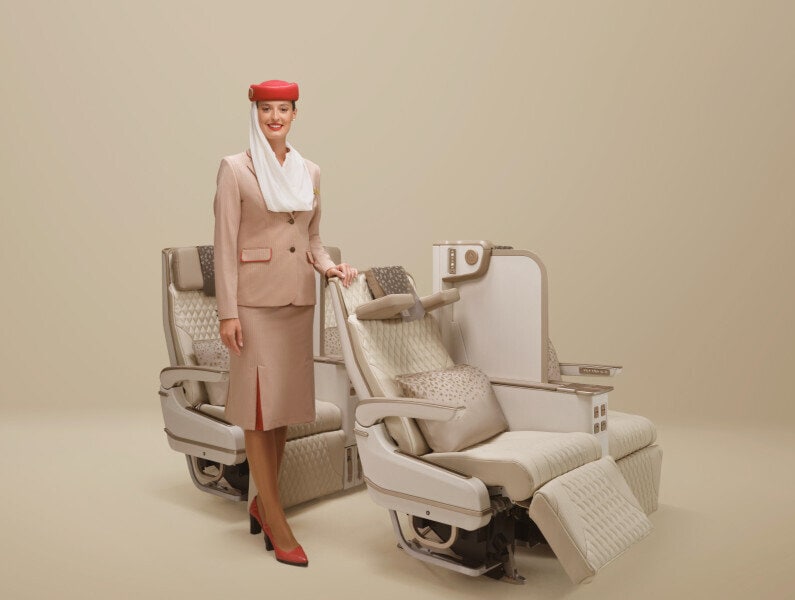
Unrelated Adverbranding: Advertising no longer simply depicts a product: often, the item being sold isn’t even illustrated. Far-fetched imagery is now being used to lure people in and spark their curiosity, leaving them enthused and curious as to the creator’s identity, which in turn boosts brand appeal.
Trend themes
Advertising is no longer depicting products, as far-fetched imagery is being used to lure people in and spark their curiosity.
Fashion designers are creating collections inspired by iconic superheroes and dolls, presenting outfits that will kill at costume parties.
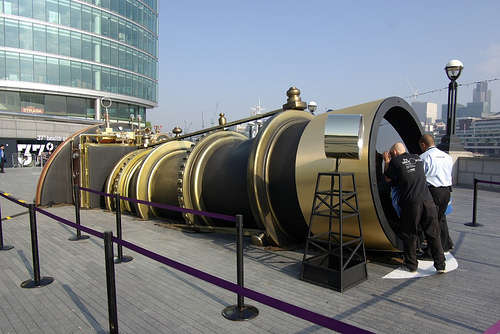
Artists are completing engineering projects that capture the imagination of people, such as the Telectroscope which allows residents of different cities to see each other through a giant tunnel telescope.
Industry implications
Ad agencies can experiment with using far-fetched imagery to make their ads more attention-grabbing.
Fashion designers can look to iconic superheroes and dolls to create unique and appealing collections.
Artists and engineers can collaborate on imaginative projects such as the Telectroscope to create awe-inspiring installations.
Trend signals
Trend score 6.1 out of 10, from popularity 83%, activity 93%, freshness 8%.
Evidence
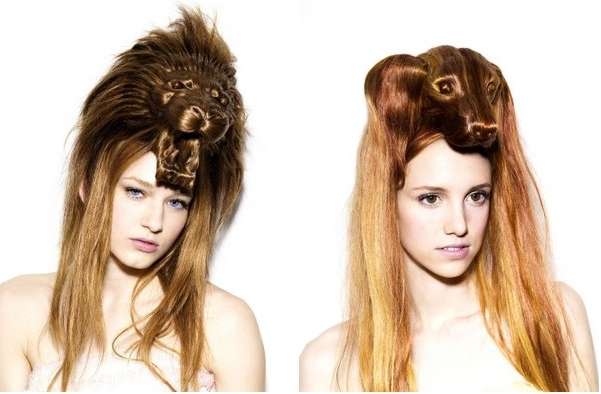
Nagi Noda Creations
Fashion designers and accessory brands can tap into the trend of animal-inspired hair accessories to offer unique and fashionable products.
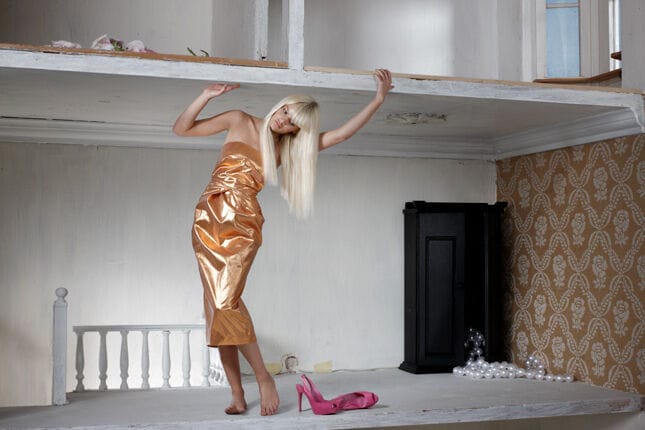
Evelina Bratell's 1959 Doll Fashions
Incorporating innovative blown-up scale designs into the fashion industry, pushing the boundaries of traditional doll-inspired fashion.
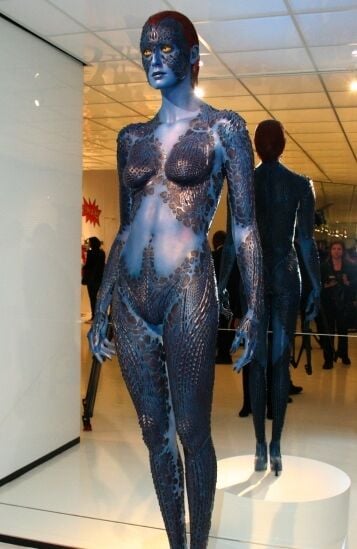
Fantasy Exhibit at the Met
Fashion brands and designers can leverage superhero fashion trends to establish new product lines and reach new audiences.
Telectroscope
The Telectroscope project opens up opportunities for the telecommunication industry to explore new ways of connecting distant locations.