

Category
Lifestyle
Sugar Moderation
Using comedy to stimulate positive brand association.



Trend
Spoofvertising: Parodies have proven to be among the most popular forms of viral advertising. By poking fun at their own products, brands extend humor to their consumers, thus creating a positive emotional connection. This can either be done by spoofing the product itself or by engaging in comedic behaviors and featuring the brand.
Trend themes
Brands are increasingly using parodies in their advertising to create a positive association with their products by engaging in comedic behaviors and featuring the brand.
Companies and businesses are portraying political figures or important issues in a humorous manner to capture the attention of consumers and retain that attention for important issues.
Parodying sexed-up ads is becoming popular among comedians and media outlets as a way to reuse an iconic image to create humorous content.
Industry implications
Companies use parodies as a marketing strategy in advertising promotions to attract consumers.
Media outlets such as magazines, YouTube channels, and TV shows use parodies and humor in their content to attract a wider audience.
Parodying fashion icons with a humorous twist is becoming increasingly popular to create humorous content while attracting fashion-obsessed consumers.
Trend signals
Trend score 5.5 out of 10, from popularity 87%, activity 71%, freshness 8%.
Evidence
James Corden As David Beckham For Armani
Discover innovative ways to incorporate celebrities and humor into advertising to create memorable campaigns.
Mark Malkoff Lives in IKEA
The retail industry can leverage the trend of living in a store to enhance customer experiences, drive foot traffic, and create memorable brand interactions.
Subaru Forester TV Spot
The automotive industry can explore creative and funny ad campaigns to promote their products and differentiate themselves from competitors.
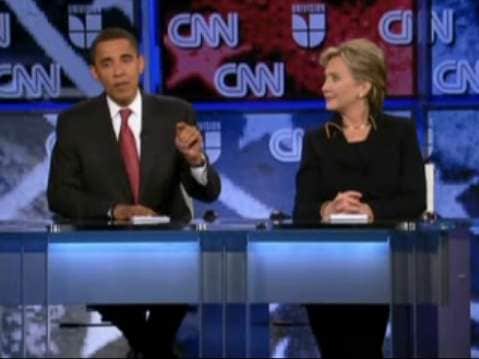
Hillary Clinton is Fcking Obama
The advertising and marketing industry can leverage the trend of humorous political parodies to create attention-grabbing campaigns that resonate with consumers.