Category
Lifestyle
Fiber Formats
Brands fold functional nutrition into familiar daily treats and staples.
Trend
Routine Protein: Food and beverage brands are moving added nutrition into formats people already buy out of habit, including coffee drinks, frozen desserts, yogurt beverages, snacks, bakery items, and prepared foods. This shift allows consumers to reduce the sense that shoppers must choose between enjoyment and purpose. Brands are treating this nutrient as a flexible layer that can travel across breakfast, snacking, refreshment, and treat moments, recognizing everyday nourishment and convenience as a broader competitive space than traditional sports nutrition alone.
Trigger
Many consumers want to make food choices that feel healthier without taking on a separate regimen, so they are gravitating towards familiar formats that lower the effort required to participate. There is a persistent tension between convenience, enjoyment, and self-management. Products that keep familiar flavors and treat-like formats while adding a clearer functional rationale are designed to make that tradeoff feel less severe.
These brands target consumers who seem more open to practical health benefits when they are embedded in normal routines rather than framed as specialist performance products.
Trend themes
Protein is shifting from gym-adjacent powders into habitual formats like coffee, oat milk, ice cream and snack bars, creating room for functional benefits to become default features of mainstream food and beverage purchases.
Dessert flavors, nostalgic profiles and treat-like textures are reframing nutrition as pleasurable rather than restrictive, opening space for brands to compete through emotional appeal alongside macro claims.
Combinations of protein with electrolytes, caffeine, probiotics, lactose-free formulations or clean-label ingredients reflect a move toward multi-benefit products that simplify wellness routines through single-use occasions.
Industry implications
Mainstream packaged foods and drinks are absorbing functional nutrition cues, giving manufacturers opportunities to reinvent routine staples as health-supporting products without changing consumer behavior.
The wellness sector is expanding beyond supplements and sports nutrition as familiar grocery formats make self-management feel more accessible, casual and integrated into daily life.
Mass retailers and club stores are becoming key launch platforms for functional treats and beverages, positioning everyday aisles as discovery points for nutrition-led product differentiation.
Workshop question
Trajectory
Latest reading 7.1 for the week of Sep 21, 2026. Holding over the final 3 scored weeks (±0.0), −0.7 from its peak of 7.8 in the week of Sep 7, 2026. Momentum 4.2/10, persistence 5.0/10, backed by 4 research findings.
Evidence
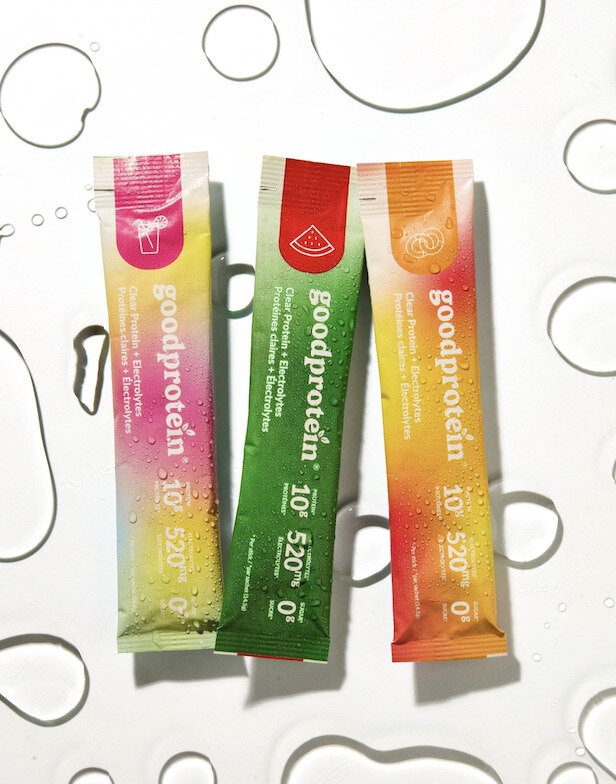
Good Protein Clear Protein Has 10g of Protein and 520mg of Electrolytes
The convergence of hydration, protein, and flavor-forward positioning reflects new white space for multi-benefit drinks tailored to active and wellness-oriented consumers.
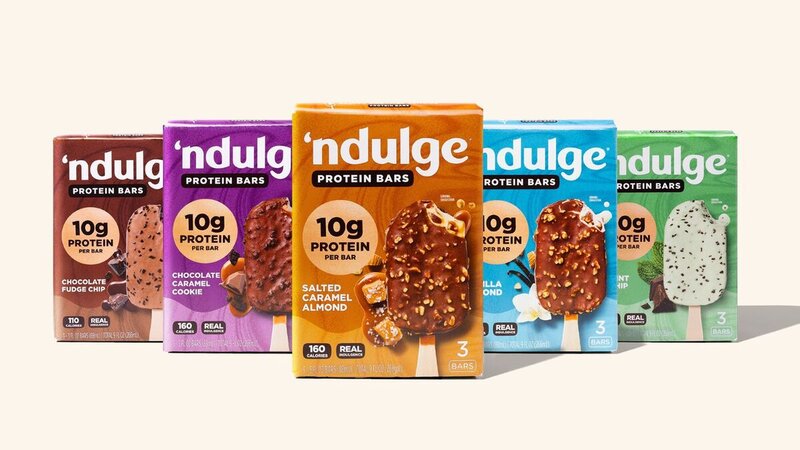
'ndulge Expands into Target as a High-Protein and Low-Calorie Treat
The freezer aisle is becoming a platform for hybrid products that combine convenience, indulgence, and functional nutrition in accessible retail formats.
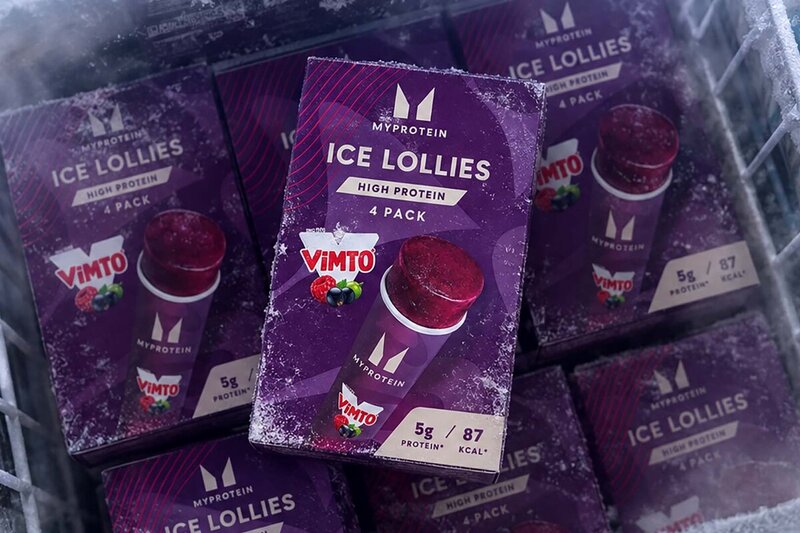
Myprotein & Vimto Unvailed Its High Protein Ice Lollies
The category is expanding beyond bars and shakes as brands integrate protein, energy and wellness positioning into more playful food formats.
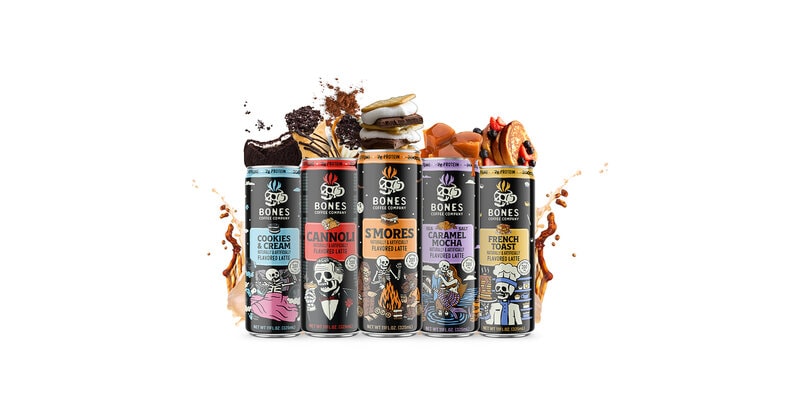
Bones Coffee Company Reformulates Its Ready-to-Drink Lattes
Canned and bottled coffee brands are differentiating through functional benefits and dessert cues, reshaping competition around both energy delivery and flavor experience.
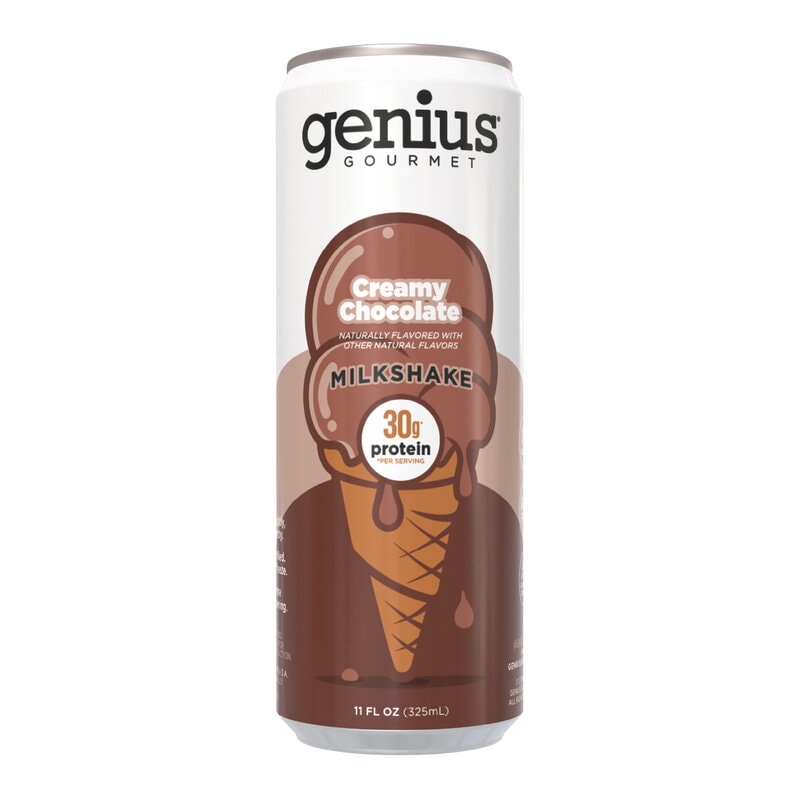
Genius Gourmet Debuted Its Ultra-Filtered Protein Milkshakes
Crowded protein drink shelves are encouraging differentiation through flavor storytelling, texture and lifestyle appeal rather than relying only on nutritional specifications.
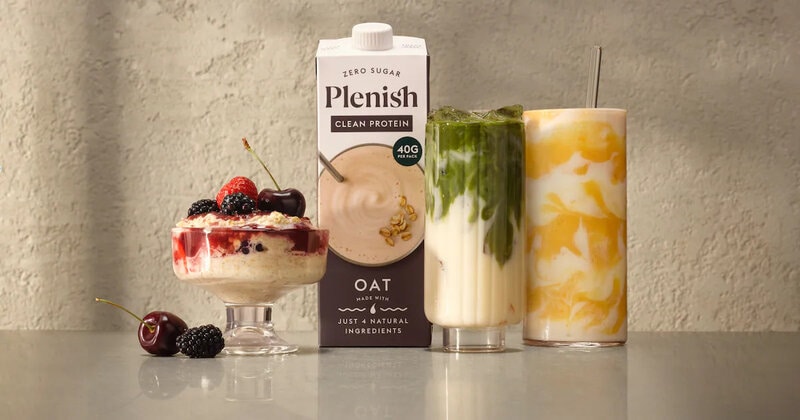
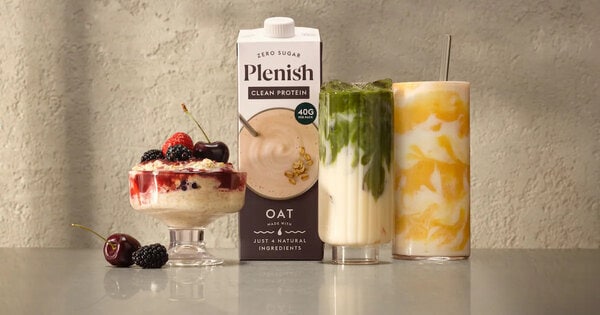
Plenish Launches Protein Oat Drink
The category is expanding beyond dairy replacement into targeted wellness benefits, opening opportunities for differentiated products built around protein, texture and simplicity.
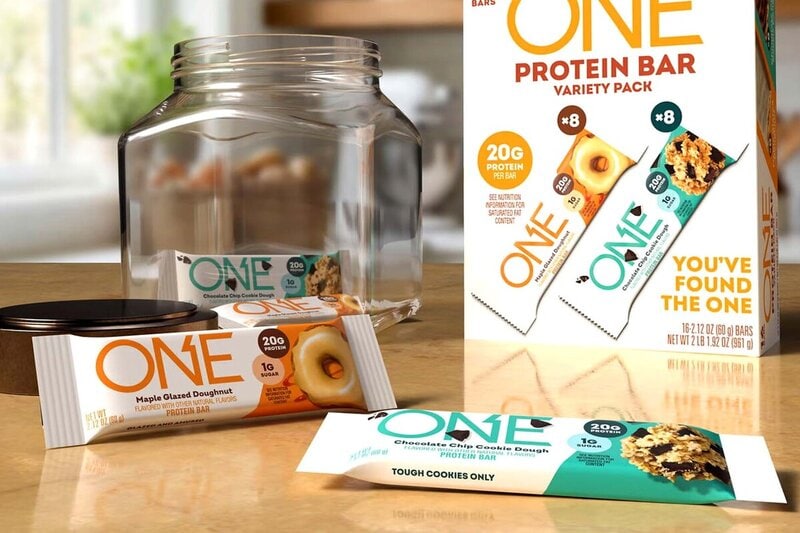
One Brand Launches A Value-Packed Protein Bar Variety Pack
Competitive differentiation in this category increasingly centers on combining dessert cues, strong macros, and accessible pricing in formats suited for daily use.
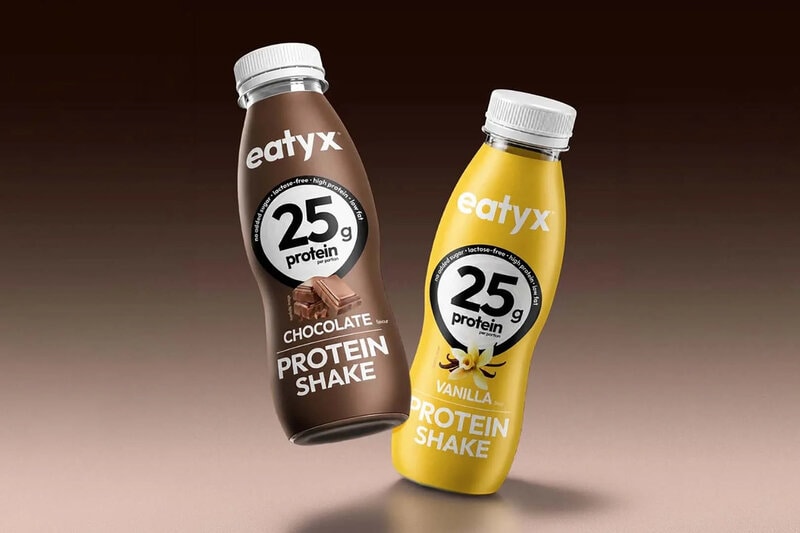
Eatyx's Protein Shake Is Milk-Based
The category is evolving as brands combine indulgent taste profiles with targeted health attributes in accessible single-serve formats.
47 Trend Hunter articles were grouped into the wider weekly cluster this trend was identified in, over 3 weeks.
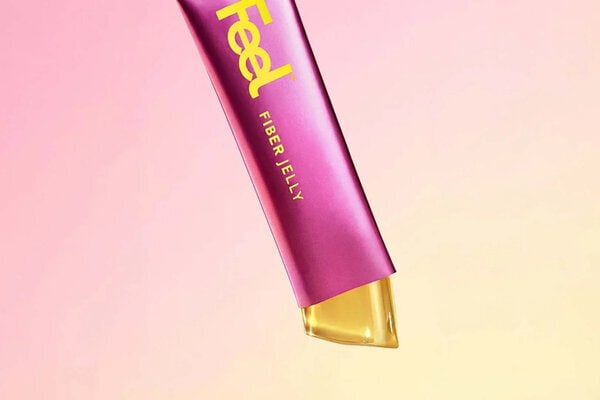
 High-Fiber Jelly SticksFeel Delivers 9.5 Grams of Fiber in Each Jelly Stick
 Naturally Sweetened Protein PowdersOptimum Nutrition Updates Clear Protein With Stevia And Fruit
 Creatine-Enhanced Protein BarsMaxiNutrition Combines Protein and Creatine in Snack Bars
 Protein-Enhanced Pretzel BitesHero Bread Reworks Auntie Anne’s Pretzel Bites With Added Protein
 Seasonal Protein Chai DrinksPerelel Offers Triple-Support Protein Pumpkin Chai
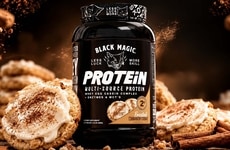 Dessert-Inspired Multi-Source Protein PowdersBlack Magic's Frosted Cinnamon Cookie Will Debut Soo
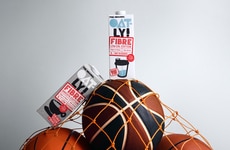 Digestive-Support Oat DrinksOatly Adds Fibre Barista and Low-Cal Editions
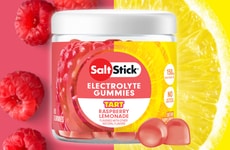 Portable Hydration GummiesSaltStick Turns Electrolyte Replenishment Into a Chewable Format
 Pourable Carnitine SupplementsPolleo Sport Turns L-Carnitine Into A Ready-To-Drink Supplement
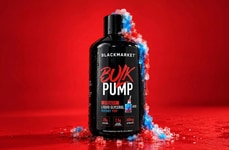 Liquid Pre-Workout BlendsBlack Market Launches Its Bulk Pump Glycerol Shot
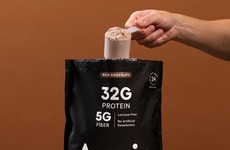 Protein-Dense Powder SupplementsAonic Fuel Delivers 32 Grams of Protein in Powder Form
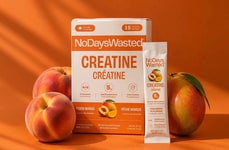 Single-Serve Creatine SticksNo Days Wasted Packages Creatine Into Individual Sticks
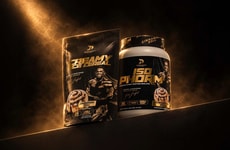 Dessert-Inspired Protein VariantsDragon Pharma Grows Derek Lunsford's Signature Series
 Mainstream Creatine SupplementsCON-CRĒT Expands Creatine HCl Into Target and CVS
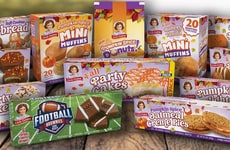 Seasonal Pumpkin Protein ShakesRyse's Little Debbie Pumpkin Spice Shakes Arrive
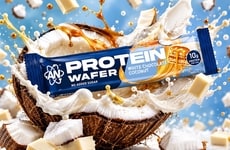 Crunchy Protein Wafer SnacksApplied Nutrition's White Chocolate Coconut Wafer Is Out
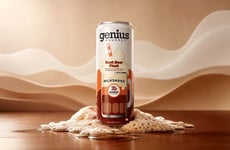 Slim Filtered Protein MilkshakesGenius Gourmet's Protein Milkshake Is 30g Protein
 Multi-Benefit Protein ShakesMET-Rx Blends Protein, Fiber and Electrolytes in One Drink
 Nutrient-Dense Kids SmoothiesDanimals Adds Calcium, Vitamin D and Fiber to Its Smoothies
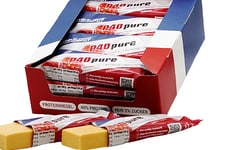 High-Protein Minimalist Snack BarsBodybuilding Depot Introduced Its P40pure Protein Bar
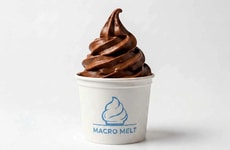 High-Protein Frozen Dessert PotsMacro Melt's Protein Ice Cream Pots Each Deliver 60g
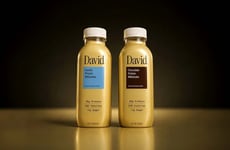 Macro-Friendly Protein MilkshakesDavid Delivers 30 Grams of Protein With Minimal Sugar
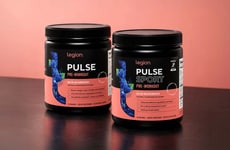 Reduced Dose Pre-Workout PowdersLegion Pulse Sport Offers a Budget-Friendly Performance Boost
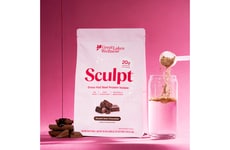 Women-Focused Protein PowdersGreat Lakes Wellness Formulates Sculpt for Women's Strength Needs
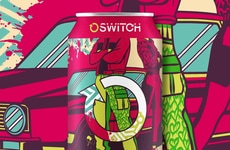 Dual-Flavored Fruit Energy DrinksSwitch Energy Introduced Its Watermelon Strawberry Lineup
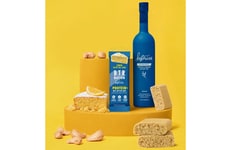 Lemon Olive Oil Protein BarsB.T.R Nation Debuts Lemon Olive Oil Protein+ Bars
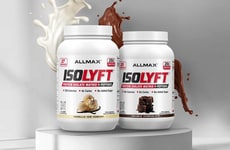 Multi-Source Protein PowdersAllMax Debuts ISOlyft Protein Powder
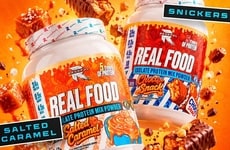 Dessert-Inspired Protein Powder BlendsReckful's Real Food Protein Adds Indulgent Flavors
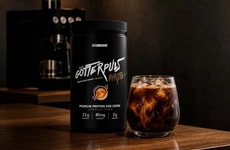 Coffee-Infused Milk Protein PowdersGötterpuls Barista+ Adds Creatine For a Functional Upgrade
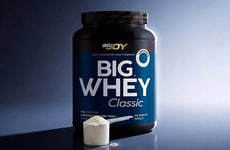 Versatile Unflavored Protein PowdersBigJoy's Unflavored Big Whey Classic Is Pure Protein
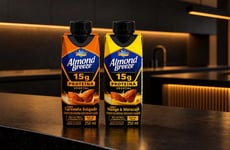 Pea Protein DrinksAlmond Breeze Protein Drink Arrives In Brazil
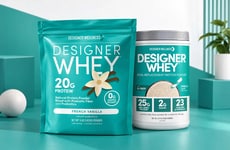 Triple-Source Protein Powder BlendsDesigner Wellness's Improved Designer Whey Is Reformulated
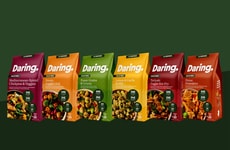 Protein-Rich Plant-Based MealsDaring's Skillet Meals Deliver Protein and Fiber in 10 Minutes
 Coordinated Daily Supplement EssentialsAll Stars Offers Daily Essentials Series
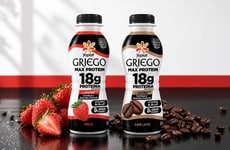 Greek Yogurt DrinksYoplait's Griego Max Protein Debuts in Mexico
 Functional Protein Snack ExpansionsKhloé Kardashian's Kloud Launches at Starbucks Canada
 Peptide-Powered Muscle Tone SupplementsHum Nutrition's Stack & Sculpt Debuts
 Protein-Packed Popcorn ExpansionsKhloud Brings Protein Popcorn to Five Canadian Retailers
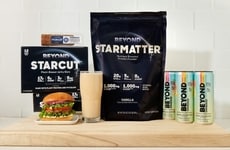 Functional Plant PortfoliosBeyond Meat Combines Protein, Fiber and Phytonutrients Across Formats
Research
All-Day Protein
Consumers are overwhelmed by nutrition complexity, and protein has become a rare shorthand that feels understandable, useful, and socially validated.
It helps people signal discipline, satiety, and health awareness without needing a fully optimized diet. Brands are making protein ubiquitous because it resolves the tension between convenience eating and wellness intent.
Protein Everywhere
In a confusing nutrition landscape, protein has become a rare, easy-to-understand shorthand for "doing something good for my body."
It promises satiety, muscle preservation, and weight support in one macronutrient, giving anxious consumers a simple rule of thumb. By weaving protein into everyday indulgences—snacks, desserts, coffee—brands help people feel virtuous without sacrificing comfort, turning ordinary choices into low‑effort health upgrades.
Routine Protein
Protein has become a simple, legible shorthand for eating responsibly in a confusing nutrition landscape.
Consumers use it to resolve tensions between convenience and wellness, making protein one of the few claims that feels both aspirational and practical across demographics.
Familiar Protein
Consumers want functional nutrition that does not require identity change.
Everyday protein wins because it lets people signal health consciousness through formats that already belong in their routines, tastes, and treat occasions.