



Category
Tech
Delegated Interfaces
Adding efficiency to health and wellness, consumers turn to mobile therapy apps.



Trend
Digitized Therapy: Seeking a more streamlined method of mental well-being, consumers are turning to apps and mobile technology for relief. Aiding issues like sleep deprivation and forms of addiction, therapy apps offer both guidance and easy to enable remedies, reflecting a move away from more professional, face-to-face solutions.
Trend themes
Increasing demand for streamlined and affordable mental health solutions is driving innovation in digital therapy apps and platforms.
Consumers are turning to text-based therapy apps as an anonymous and affordable alternative to traditional forms of therapy.
The use of AI and chatbots is becoming more prevalent in digital therapy apps, allowing for automated monitoring, communication, and assessment.
Industry implications
Technology-enabled health services and solutions are providing greater accessibility and affordability to mental health care.
The increasing demand for digital therapy is driving innovation in mobile app development, leading to the creation of new apps designed to meet specific mental health needs.
The rising popularity of digital therapy is disrupting traditional mental health care, leading to a shift towards more affordable and accessible solutions.
Trend signals
Trend score 3.9 out of 10, from popularity 65%, activity 43%, freshness 8%.
Evidence
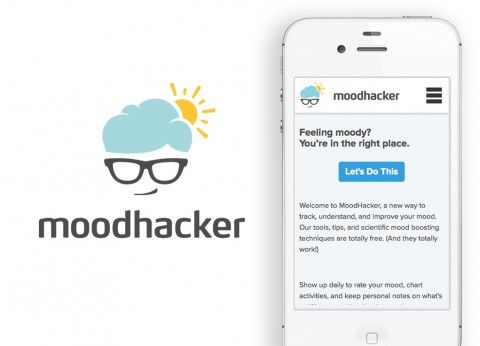
The MoodHacker App Helps Fight Depression in the Workplace
By investing in digital mental health solutions, the healthcare industry can provide more accessible and comprehensive mental health services.
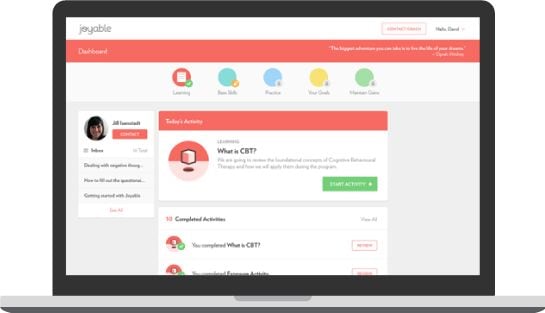
An Insomnia App Gives Users with a Six Week Cognitive Behavior Therapy Program
The healthcare technology industry can benefit from developing sleep therapy apps using cognitive behavioral therapy to help people sleep better.
The 'Talkspace for All' Platform Provide Greater Access to Therapy
Mental health startups can use 'Talkspace for All' as a model to create affordable and accessible therapy services for low-income individuals.
This App Makes Mental Health Services More Affordable
Integrating technology into mental health services to provide affordable and accessible solutions.
The Talkspace Service is Therapy for Those Addicted to Texting
The growing demand for anonymous and accessible therapy services presents opportunities for innovative mental health providers.
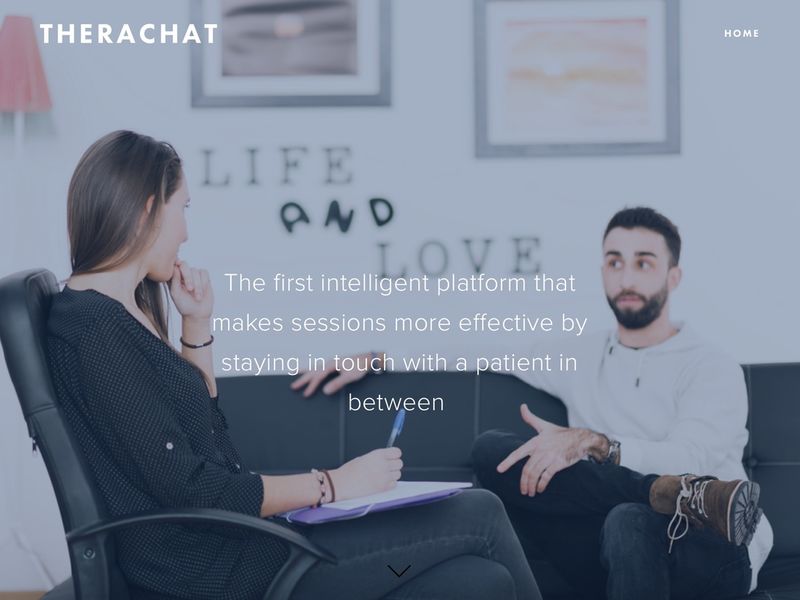
This Therapy Tool Monitors Mental Health Through Patient Messages
Text-monitoring therapy apps like TheraChat offer mental health professionals new avenues for patient support, improving the accessibility and efficiency of therapy services.
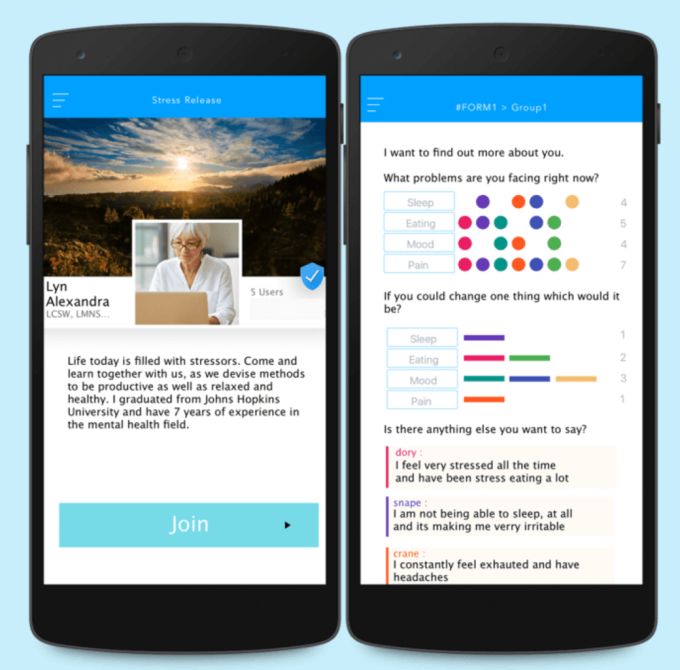
Sunrise Health's Chatrooms are Monitored by AI and Therapists
The mental health industry can implement monitored chatrooms to enhance patient support and facilitate greater engagement in therapy.
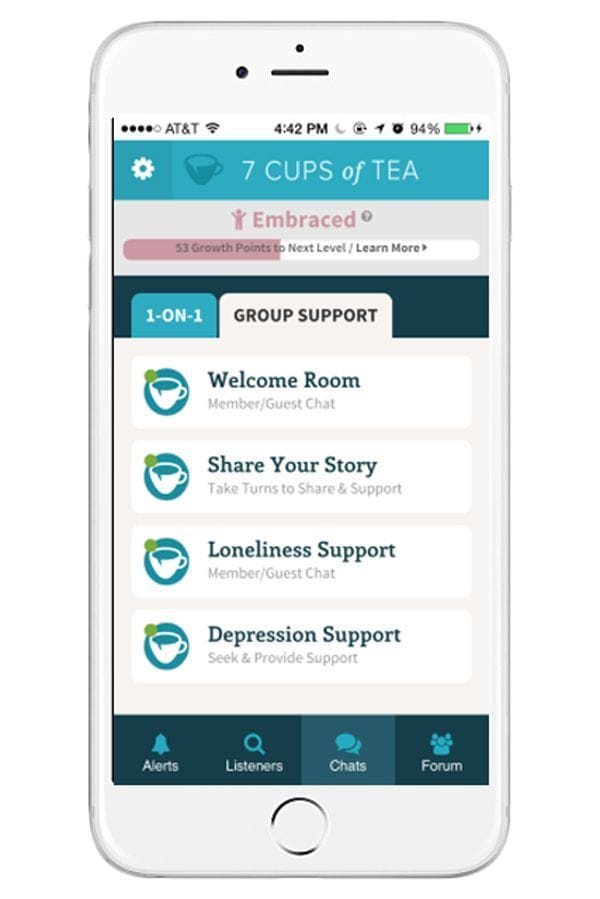
7 Cups of Tea Offers Anonymous Online Therapy and Someone to Talk to
Disruptive innovation opportunity: Develop digital platforms and applications that enhance and widen access to mental health services, such as online therapy and peer support.

The Harlie Chatbot App is Designed For People With Neurological Issues
The healthcare industry can leverage chatbot apps to improve therapy and assessment capabilities for patients with neurological conditions.






