AI Platforms with Emergency Response Features Offer Immediate Actionable Advice
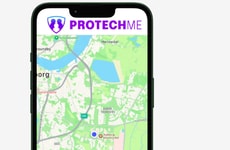
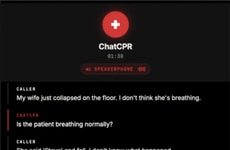
Trend - Emergency‑response platforms are introducing AI‑powered hotlines that deliver immediate guidance during crises, offering real‑time CPR instructions, safety recommendations and situational prompts before human responders arrive, reducing response gaps and improving outcomes in critical moments.
Insight - People facing emergencies often feel panicked, unsure of what to do and overwhelmed by the pressure to act quickly. Traditional hotlines can experience delays, high call volumes or moments when callers struggle to communicate clearly. At the same time, individuals want reassurance, clarity and fast direction when every second matters. AI?powered emergency hotlines ease these pressures by providing instant step?by?step guidance that helps callers take action while waiting for professionals.
Insight - People facing emergencies often feel panicked, unsure of what to do and overwhelmed by the pressure to act quickly. Traditional hotlines can experience delays, high call volumes or moments when callers struggle to communicate clearly. At the same time, individuals want reassurance, clarity and fast direction when every second matters. AI?powered emergency hotlines ease these pressures by providing instant step?by?step guidance that helps callers take action while waiting for professionals.
Workshop Question - How might we integrate AI technologies to provide immediate, actionable guidance to users?
Trend Themes
-
AI Crisis Coaching — Real-time conversational guidance is creating space for emergency platforms that translate clinical protocols into calm, step-by-step instructions during high-pressure moments.
-
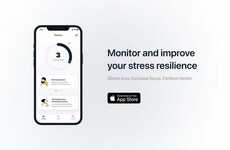
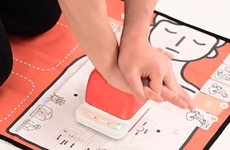
Connected Life-saving Practice — App-linked training tools reveal potential for at-home preparedness systems that use sensors, feedback loops and gamified repetition to build confidence before emergencies happen.
-
Device-linked Response Data — Wearables, smartphones and vehicles are turning emergencies into data-rich events where automated triage, location intelligence and health signals can reduce delays across responder handoffs.
Industry Implications
-
Healthcare — AI-supported assessment and coaching models are expanding the market for immediate care guidance that bridges the gap between self-help, telehealth and in-person medical intervention.
-
Public Safety — Emergency communications are being reshaped by intelligent dispatch infrastructure that can prioritize incidents, structure caller information and support responders before arrival.
-
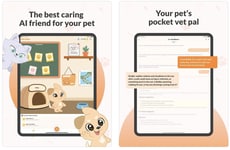
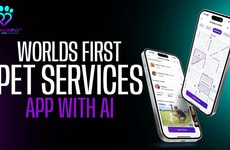
Pet Care — Digital veterinary triage points to a wider opportunity for accessible animal health platforms that deliver rapid reassurance and preliminary guidance outside traditional clinic hours.