
Category
Lifestyle
Assisted Choices
Fashion retail is shifting toward traceable and circular ownership.

Trend
Conscious Continuity: Fashion and textile brands are merging product traceability with circular retail models—allowing consumers to track sourcing, materials, or ownership histories while participating in conscious ecosystems; systems in which extend product lifecycles to reduce textile waste and overproduction.
Insight
Consumers, particularly sustainability-minded and fashion-conscious shoppers, are increasingly questioning the environmental impact and transparency of the fashion industry as textile waste and overconsumption rise; seeking longevity and lower-waste alternatives that reduce environmental strains. In response, brands are introducing blockchain traceability, upcycling, rental memberships, and localized repair networks that make circular participation more accessible and engaging.
Trend themes
Immutable provenance combined with lifecycle services is creating opportunities for systems that monetize authenticity and enable products to retain value across multiple owners.
Payment structures that share future resale proceeds with original owners are enabling new financial models that align consumer incentives with long-term product circulation.
Designer-focused incubators and funding channels are producing scalable business models that embed repairability, upcycling and rental into brand identities from inception.
Industry implications
Retailers are being reshaped by offerings that blend ownership alternatives, authenticated pre-owned assortments and subscription-based access to goods.
Financial infrastructure that supports conditional payouts, resale revenue sharing and tokenized ownership is poised to transform how value is retained and transferred in consumer goods.
Localized repair networks and advanced recycling processes are enabling circular service layers that extend garment lifespans and create new revenue streams from returned items.
Workshop question
Trend signals
Trend score 5.9 out of 10, from popularity 52%, activity 50%, freshness 77%.
Evidence
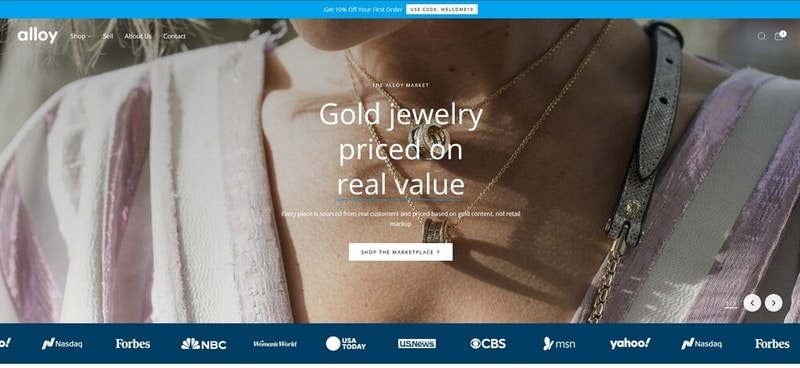
The Alloy Market Resells Estate Jewelry Instead of Melting It
Resale-oriented channels can shift inventory strategies and lifetime customer value metrics by monetizing previously dormant estate pieces rather than diverting them to scrap.
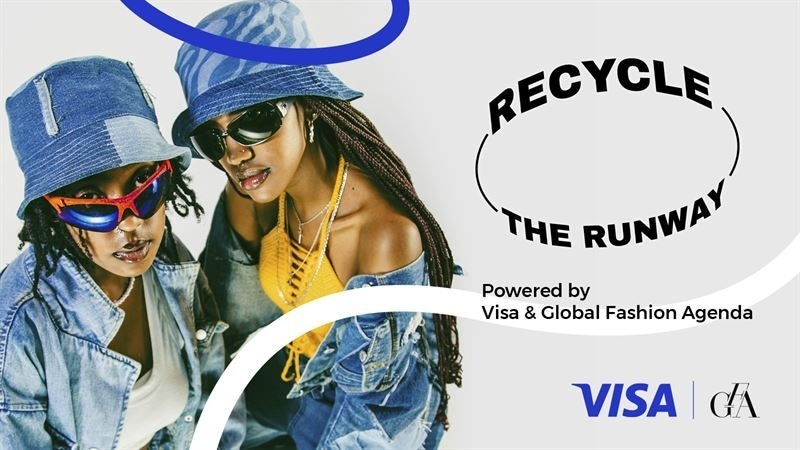
Visa and GFA Support Emerging Regenerative Designers
Brands experimenting with circular business models are positioned to transform merchandising, customer lifetime value metrics and channel strategies.
Syre and Target Expanded Their Textile Recycling Partnership
Recover and TextileGenesis Launch a Traceable Textile Pilot