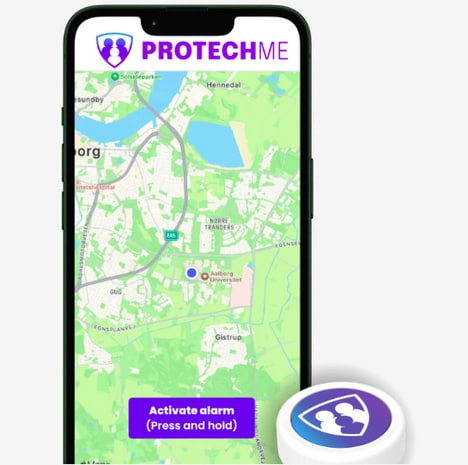
RapidSOS introduced a partnership and investment from actor Jeremy Renner to advance its emergency response platform, featuring work to integrate AI and real-time data from smartphones, wearables and vehicles.
The collaboration launched with a documentary titled "Behind the Emergency," which links Renner's personal near-fatal accident to efforts to speed information flow to first responders. RapidSOS' system delivers location and health signals to dispatch and clinical teams before arrival, and the partnership aims to fund AI development focused on improving situational awareness, data triage and interoperability.
For consumers and emergency crews, tighter integration of device-sourced signals and AI-assisted prioritization can shorten response times and reduce information gaps across care transitions, helping responders make faster, better-informed decisions on scene and during handoffs to hospitals.
Image Credit: Shutterstock/Parilov
What Makes This Trend Stand Out
- AI-powered Emergency Triage
- Machine learning models that prioritize incidents and surface critical signals from noisy sensor feeds create potential to reduce dispatch delays and improve on-scene decision confidence.
- Device-sourced Real-time Telemetry
- Continuous streams of location, biometric and crash-detection data from phones, wearables and vehicles enable richer situational context that can transform the timeliness and accuracy of pre-hospital care.
- Cross-platform Interoperability in Emergencies
- Unified data standards and APIs connecting consumer devices, dispatch systems and hospital records open possibilities for seamless handoffs and reduced information loss across care transitions.
Sectors Adopting This
- Emergency Medical Services
- Integration of AI-curated device data with dispatch workflows could reshape response prioritization and triage protocols used by ambulance and first responder teams.
- Wearable Technology
- Embedding contextual emergency signaling and standardized telemetry could turn consumer wearables into reliable nodes for automated incident detection and responder alerts.
- Automotive Telematics
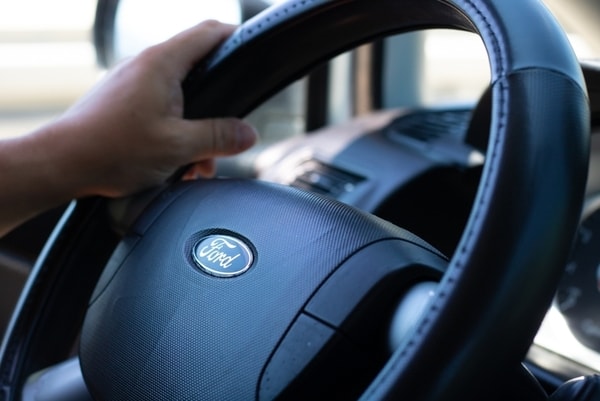
- Real-time vehicle crash sensors combined with cloud AI processing may enable manufacturers and fleet operators to deliver instant, actionable incident reports to emergency networks.