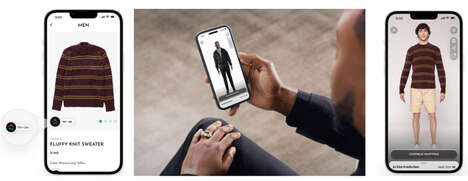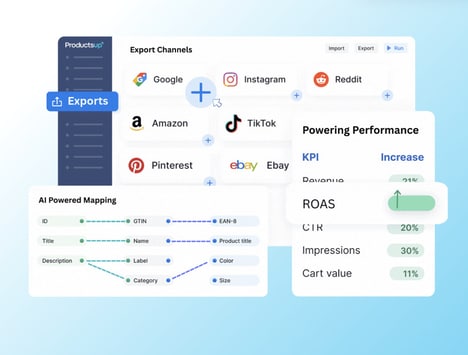
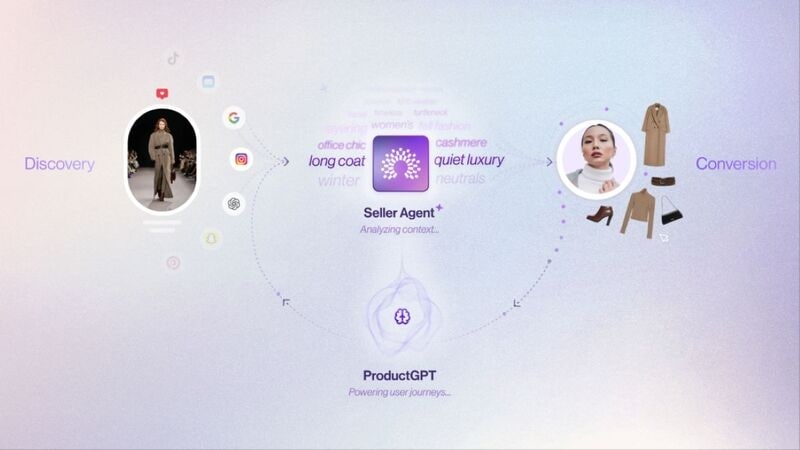
Spangle is an AI commerce platform founded by former Bolt CEO Maju Kuruvilla that lets retailers replace static product grids with dynamically generated shopping pages. Its key differentiator is a proprietary model called ProductGPT, which assembles each page in real time based on live shopper signals.
Instead of routing visitors to predesigned category or campaign pages, brands send traffic to a blank canvas that Spangle fills with products, content, and layouts tailored to that session. For consumers, this means browsing experiences that feel more curated and less like generic catalogs, with relevant items surfaced sooner and fewer irrelevant clicks. For retailers, Spangle points to a broader shift toward AI-native infrastructure that can respond to both human shoppers and automated agents, rather than relying on one-size-fits-all pages. Moreover, adaptive storefronts like Spangle’s help brands keep pace with fragmented customer journeys and squeeze more value from every visit.
Image Credit: Spangle
Why This Trend Is Growing
- Real-time Adaptive Commerce
- Real-time adaptive commerce enables retailers to personalize shopping experiences on-the-fly, offering a unique and engaging customer journey not possible with static page designs.
- AI-driven Storefront Customization
- Retailers leveraging AI-driven storefront customization can dynamically assemble web pages based on live shopper behavior, providing tailored content that enhances user satisfaction and potential sales.
- Live Shopper Signal Integration
- The integration of live shopper signals into e-commerce platforms is paving the way for ultra-personalized shopping journeys that align closely with individual consumer preferences.
Industries Being Reshaped
- E-commerce Platforms
- E-commerce platforms are increasingly incorporating AI technologies to create adaptable storefronts that cater more personally to a diverse clientele.
- Retail Technology Solutions
- Retail technology solutions are shifting towards AI-native infrastructures that promise more dynamic interactions between brands and both human shoppers and automated agents.
- Consumer Experience Optimization
- Consumer experience optimization is seeing advancements through the use of AI models that apply real-time data to refine and personalize shopping interfaces.