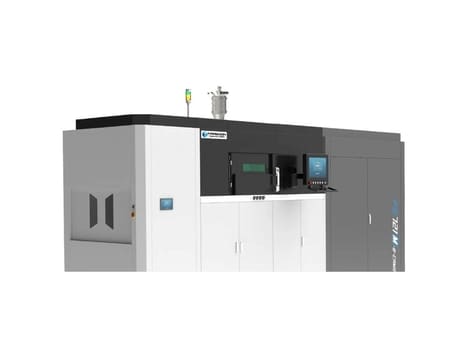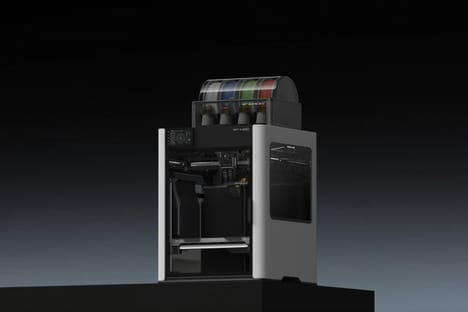
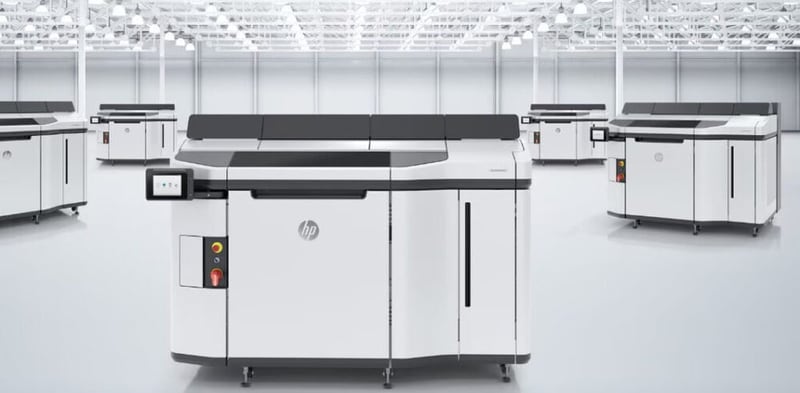
HP Additive Manufacturing Solutions unveiled an Industrial Filament 3D Printer Solution on March 31, 2026, designed for production use rather than prototyping, featuring high-temperature capability and integrated process control. The company presented the system in a webinar led by Industrial Filament Product Manager Guillermo Fabregat.
The platform combines an industrial printer, a Material Management System (MMS) for drying, feeding and tracking, and a modular extrusion architecture to handle diverse high-performance polymers such as PEEK and PEKK. HP also emphasized an open materials ecosystem paired with certification-ready process controls to support regulated industries.
For manufacturers, the package targets repeatability, traceability and scalable part quality so filament printing can meet aerospace, mobility and industrial standards. If its controls and materials perform as described, filament processes could shift from prototyping into certified production workflows.
Image Credit: HP
Why This Trend Is Growing
- High-temperature Filament Production
- Enables production-grade parts from PEEK and PEKK, potentially displacing traditional thermoplastic molding for heat-resistant components.
- Integrated Process-controlled Additive Manufacturing
- Combines in-line monitoring and modular extrusion to deliver repeatable, traceable workflows that could redefine qualification standards for serial 3D printing.
- Open Certified Materials Ecosystems
- An ecosystem that pairs open material compatibility with certification-ready controls may shift material sourcing and validation toward interoperable supplier networks.
Industries Being Reshaped
- Aerospace
- Production-capable filament printing for high-performance polymers introduces the prospect of certified, lightweight structural components manufactured additively.
- Automotive Mobility
- High-temperature filament systems present opportunities for on-demand, durable parts production that could alter supply chains for thermal and mechanical vehicle components.
- Medical Devices
- Traceable, certification-focused filament processes create the potential for regulatory-compliant production of biocompatible, high-performance device components.