Category
Tech
Persistent Context
Brands turn temporary spaces into interactive product worlds.
What's Happening
Sensory-Forward Retail: Brands are relying on short-term physical installations to stage products as environments for visitors to feel and remember, rather than as shelf items with abstract product qualities. These spaces combine retail with exhibition, trial, and entertainment formats, often using color, scent, character design, and/or beauty technology to make product or brand attributes tangible.
Why It's Happening
In the digital age, consumers increasingly encounter brands through images and feeds before they encounter them in person. Physical experiences matter more in this context because they can build credibility and offer a level of immersion that digital touchpoints cannot fully replicate. Due to an abundance of product choices in consumer-facing categories and growing skepticism of online marketing claims, many are beginning to place stronger emphasis on evaluating not just what the product does but how the brand engages with its audience beyond the digital environment.
Evidence
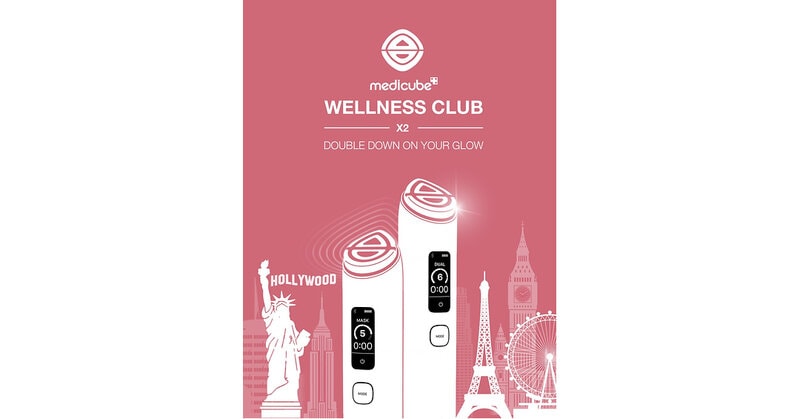
Medicube Offers Personalized Device Consultations
Personal consultation formats strengthen consumer trust in skincare devices and open pathways for differentiated hardware, software and service bundles.
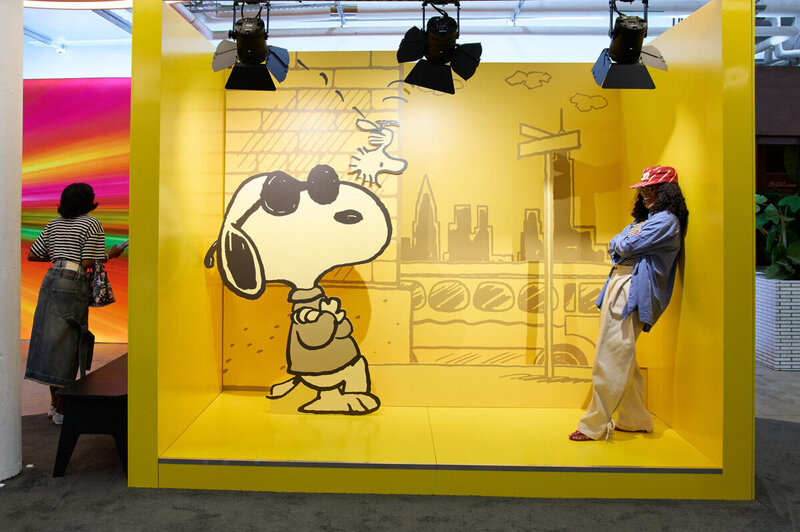
Snoopy Gets Designer Looks for an Immersive NYC Exhibition
Designer labels can use nostalgic characters as approachable creative platforms that expand lifestyle appeal without diluting premium positioning.
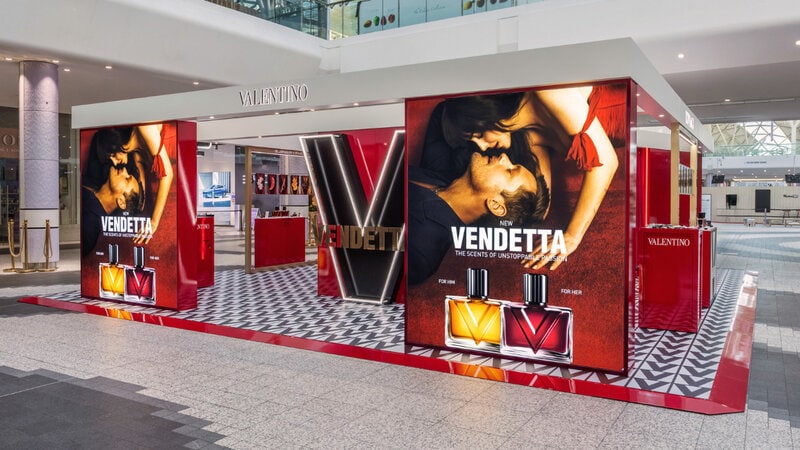
Valentino Beauty Brings Its Vendetta Fragrances To Life With A The
Experiential store formats are reshaping how cosmetics and fragrance brands differentiate products beyond packaging, price, or celebrity campaigns.
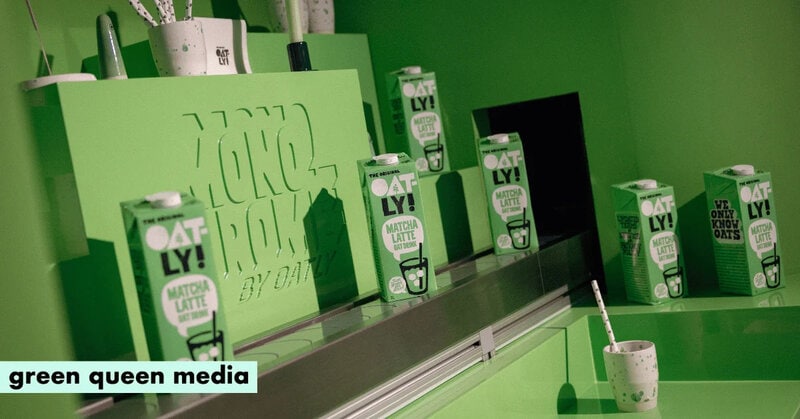
Oatly Turns Matcha Into A Personalised Design Experience
Ready-to-drink and café concepts can differentiate through personalization, flavor experimentation and aesthetic rituals that transform beverages into identity-driven experiences.
Workshop question
How could your brand turn its core product benefit into an in-person experience people can actively explore?
Trajectory
Latest reading 8.4 for the week of Oct 19, 2026. Cooling over the final 3 scored weeks (−0.9), −1.0 from its peak of 9.4 in the week of Sep 14, 2026. Momentum 8.0/10, persistence 2.5/10, backed by 4 research findings.
16 Trend Hunter articles were grouped into the wider weekly cluster this trend was identified in, over 6 weeks.
 Cranberry-Inspired Diner MenusOcean Spray Opens the Saucy Spoon Diner in NYC
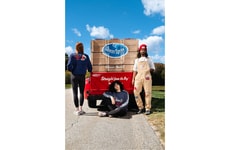 Harvest-Inspired Fall ApparelOcean Spray Turns Harvest Icons into Bog Core Clothing
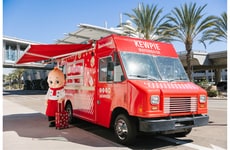 Condiment Mascot Road ToursKEWPIE Takes Its Mascot and a Red Food Truck on a Seven-Week Tour
 Immersive Halloween Candy ToursHI-CHEW Brings Mystery Manor to Five Cities
 Immersive K-Culture Pop-UpsARTBOX Brings Korean Lifestyle Retail to Los Angeles
 Graduate Fashion Pop-UpsAZ Academy Opens a Paris Shop with a Kintsugi Workshop
 Student-Run Campus Pop-UpsCrave Turns College Pop-Ups Into Shelf-Ready Proof Points
 Creatine Cafe DrinksSpark Protein Turns Gravitine into Sparkling Sips and Coffee
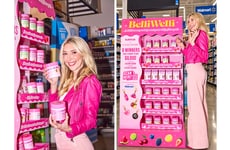 Collectible Wellness ActivationsBelliWelli Pairs Fiber Products with Limited-Edition Charms
 AI-Focused Pop-Up CafésGoogle Turns A Brussels Café Into A Hands-On AI Experience
 Fashion House Café ConceptsPAIGE Partnered with Old Friend and L’Appartement 4F for 'Cafe PAIGE'
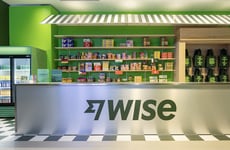 Accessible Fintech Pop-UpsWise Celebrates Its Chequing Account Launch in Canada with a Pop-Up
Research
Therapeutic Popups
Consumers are less motivated by standard retail displays and more responsive to spaces that offer a feeling, a memory and a shareable experience.
Therapeutic or sensory popups matter because they make product education emotionally sticky, helping brands convert abstract beauty stories into lived moments.
Do-Something Stores
Stores now have to justify the trip in ways e-commerce cannot.
Participation matters because consumers increasingly want tactile discovery, social content opportunities, and memorable interaction, turning the visit itself into part of the product value rather than a prelude to checkout.
Retail Stagecraft
In an attention economy, stores need to justify the trip with something screens cannot fully replace.
Retailers are responding by turning locations into content engines, sampling theaters, and personalization spaces that create memories, proof, and social shareability alongside purchase.
Utility Culture
Consumers are increasingly more willing to engage when a brand offers something to do, feel, or document rather than simply something to watch.
Marketing now works best when it creates socially portable experiences that can be used as content, conversation, or personal taste signaling. Utility in this context can mean recommendations, customization, or simply a moment worth sharing.