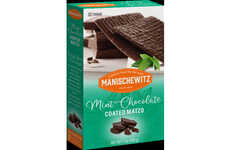



Heritage brands are reimagining cultural staples with modern aesthetic
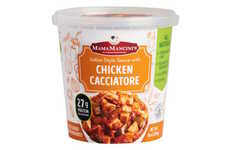
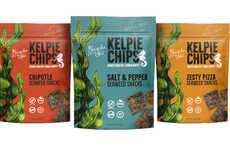
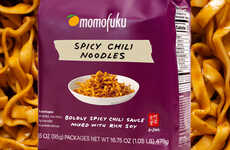
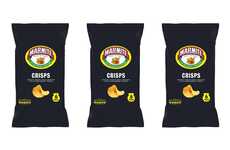
Trend - Established food categories tied to Jewish culture and religious traditions are being reinvented through contemporary branding, sustainable practices, and convenience-focused formats. These products maintain authentic flavor profiles while updating ingredients and aesthetics to appeal to younger consumers who value both heritage and innovation.
Insight - Today's consumers, especially Gen Z, are rejecting the assimilation mindset of previous generations in favor of cultural pride and visibility. This shift has created a hunger for heritage foods that fit modern lifestyles—convenient, sustainable, and shareable on social media. By transforming labor-intensive traditional recipes into accessible everyday products with bold branding, companies satisfy younger consumers' dual desires: honoring their roots while living firmly in the present.
Insight - Today's consumers, especially Gen Z, are rejecting the assimilation mindset of previous generations in favor of cultural pride and visibility. This shift has created a hunger for heritage foods that fit modern lifestyles—convenient, sustainable, and shareable on social media. By transforming labor-intensive traditional recipes into accessible everyday products with bold branding, companies satisfy younger consumers' dual desires: honoring their roots while living firmly in the present.
Workshop Question - How could your brand modernize traditional offerings without losing their authentic essence?
Trend Themes
-
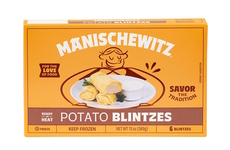
Culinary Heritage Reinvention — Traditional Jewish foods are being updated with modern elements like eye-catching branding and convenient formats to cater to the tastes of younger generations.
-
Convenience-centric Authentic Products — Ready-to-eat and easy-to-cook options transform labor-intensive Jewish dishes into simple meals aligned with busy consumer lifestyles.
-
Sustainable and Social Media-friendly Foods — Products that emphasize sustainability and aesthetic appeal attract a demographic that prioritizes environmental impact and digital shareability.
Industry Implications
-
Packaged Food Innovation — Reimagining classic ethnic dishes with a focus on convenience and modern branding offers growth potential within the packaged food sector.
-
Ethnic and Specialty Cuisine — Adapting traditional recipes to modern consumer preferences drives engagement and exploration in the ethnic and specialty food market.
-
Sustainability in Food Production — Demand for environmentally friendly ingredients and methods fuels innovation in sustainable practices across the food industry.