


Protein enters premium category amid wellness trends and drug-influenced eating
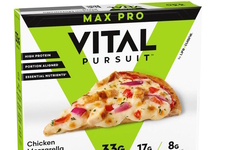
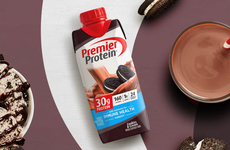
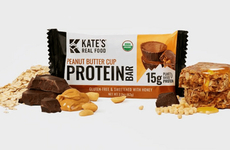
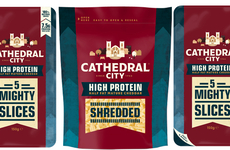
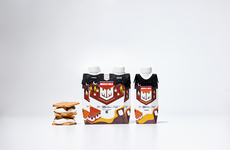
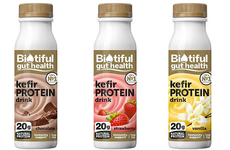
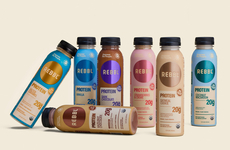
Trend - The protein revolution is sweeping through consumer markets as diverse demographic groups embrace high-protein, low-sugar lifestyles. This trend is manifesting across categories, with protein now added to virtually everything from candy bars to coffee, creating a spectrum from "protein traditionalists" who focus on whole food sources to "protein opportunists" who prioritize efficiency and convenience.
Insight - Today's consumers are navigating complex nutritional anxieties stemming from social media influence, body image pressures, and pharmaceutical interventions like GLP-1 drugs. This has created a fundamental tension between dietary discipline and convenience, between wellness aspirations and practical lifestyle constraints. Protein has emerged as the perceived solution to this conflict, offering consumers a tangible metric to control in uncertain times while simultaneously serving as a status marker that signals nutritional literacy and discipline.
Insight - Today's consumers are navigating complex nutritional anxieties stemming from social media influence, body image pressures, and pharmaceutical interventions like GLP-1 drugs. This has created a fundamental tension between dietary discipline and convenience, between wellness aspirations and practical lifestyle constraints. Protein has emerged as the perceived solution to this conflict, offering consumers a tangible metric to control in uncertain times while simultaneously serving as a status marker that signals nutritional literacy and discipline.
Workshop Question - Where does your brand fit in the performance nutrition spectrum—traditionalist or opportunist?
Trend Themes
-
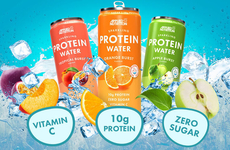
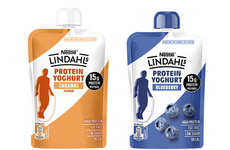
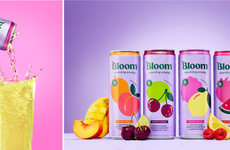
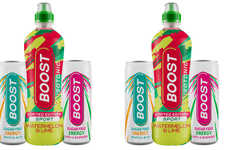
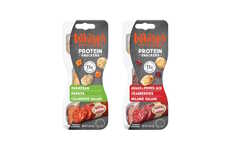
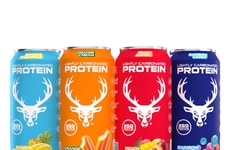
Protein-infused Foods and Beverages — A surge of protein-enriched consumables caters to those prioritizing wellness and efficiency, integrating protein seamlessly into everyday snacks and drinks.
-
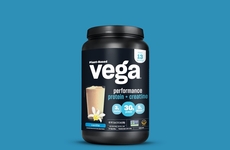
Personalized Nutritional Supplements — Targeted supplements, such as those formulated for GLP-1 users, address specific nutritional deficiencies, paving the way for precision health solutions.
-
Sustainable Protein Alternatives — Innovative protein sources, like those developed through fermentation, offer eco-friendly alternatives that align with increasing consumer demand for sustainability.
Industry Implications
-
Functional Food and Beverage — Functional foods and drinks rapidly incorporate nutritional enhancements, merging taste with health benefits to attract health-conscious consumers.
-
Dietary Supplements — The dietary supplement sector sees growth in specialized products tailored to unique health needs, driven by the demand for targeted wellness solutions.
-
Sustainable Food Production — The sustainable food industry is disrupted by innovative protein manufacturing techniques designed to reduce environmental impact while maintaining nutritional value.