Category
Lifestyle
Territory Bottlings
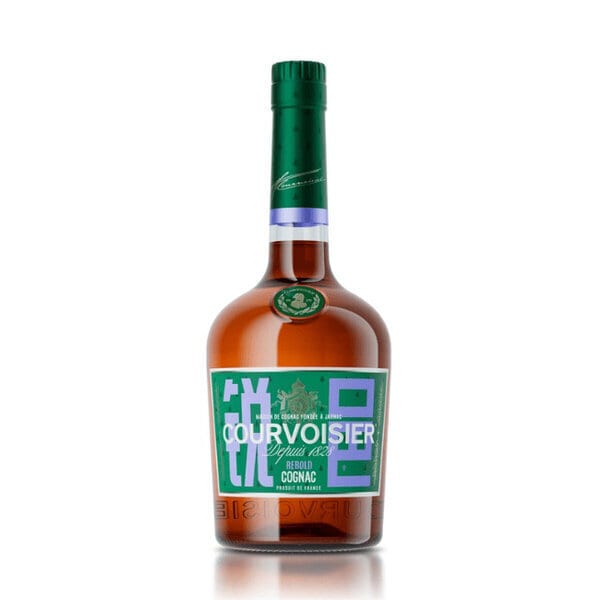
Alcohol labels use venue formats to make drink discovery easier.
What's Happening
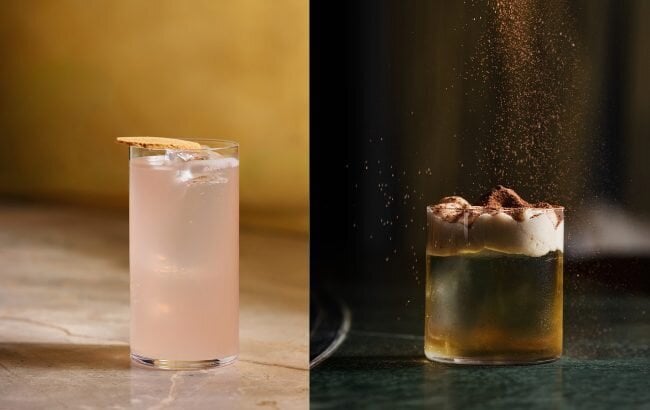
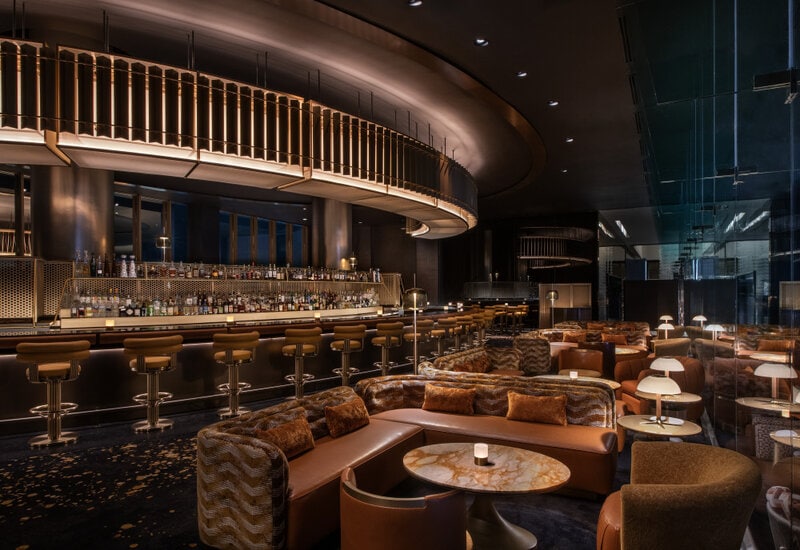
Menu Mediation: Alcohol brands are extending into hospitality settings, such as rooftop lounges and theater-adjacent spaces, turning brand presence into a guided night-out occasion. Some of these activations are organizing choice through focused, tight menu frames instead of presenting a broad back bar. That structure is intended to make browsing feel simpler and more purposeful.
Why It's Happening
Consumers are increasingly navigating crowded beverage categories with too many similar-looking options or unfamiliar flavor profiles. This abundance is causing individuals to feel overwhelmed by choice, leading many to play it safe with tried-and-true beverage choices, even when they want to be more adventurous and try something new. In this space, consumers are increasingly relying on real-world context to decide what feels worth trying, and many are finding that focused menus and familiar cocktail language lower the cognitive effort associated with choice by allowing consumers to explore beverages within clear boundaries instead of decoding a completely new flavor vocabulary.
Evidence
W London Has Unveiled Perception Bar's Agave Programme
Hotel bars can use specialized spirit programs to build destination appeal, deepen guest engagement, and differentiate food and beverage offerings in competitive urban markets.
W Las Vegas Reopens Skyfall and Debuts Living Room
Premium hotels are reshaping public areas into destination venues, expanding revenue opportunities through design-led lounges and elevated guest programming.
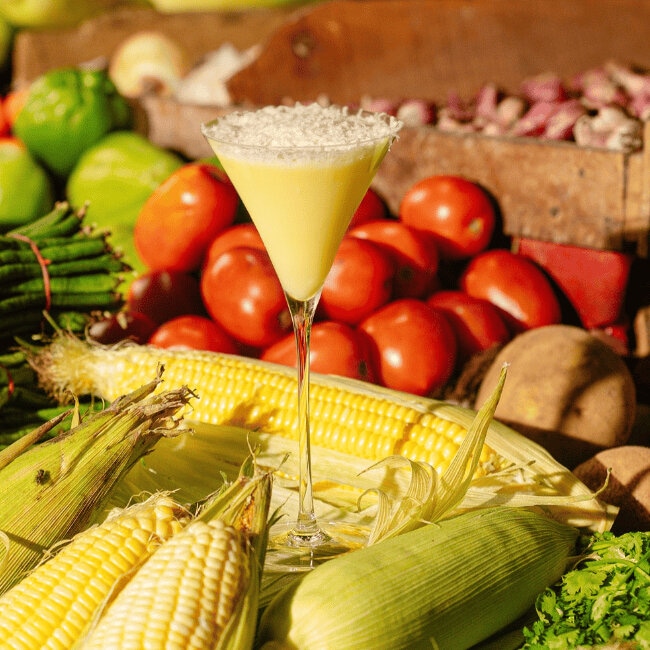
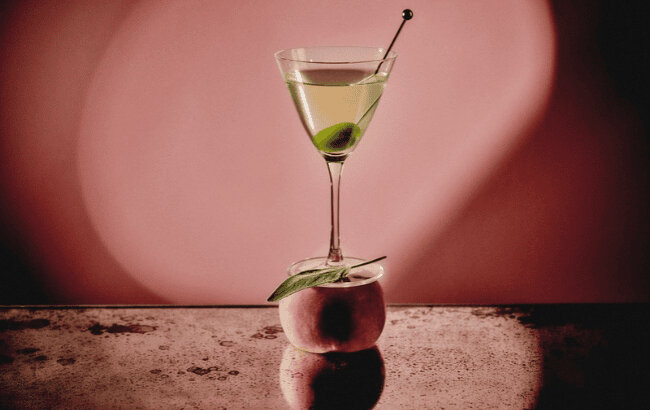
Pérola Rebuilds Cocktail Classics with Surprise Ingredients
High-end bars can use recognizable formats with unconventional ingredients to balance experimentation, accessibility, and guest engagement.
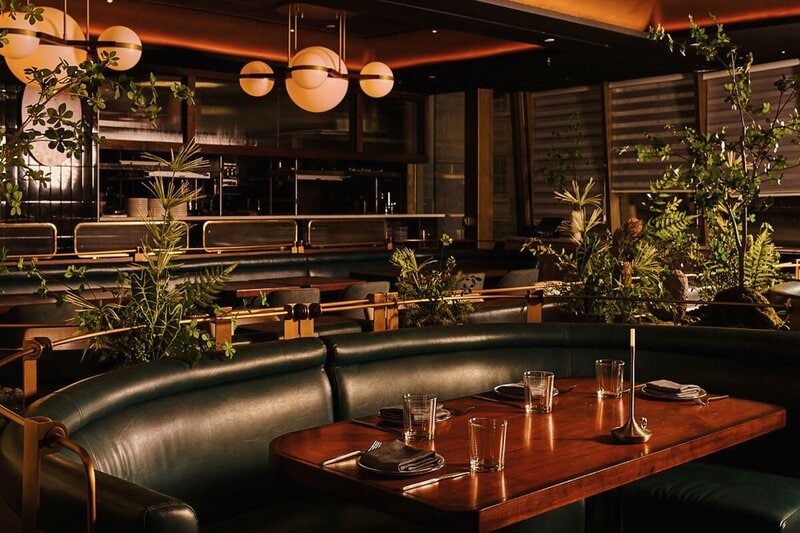
Bar92 Reopens Its Fall Menu With Korean Accents in Times Square
Casual bar menus with elevated, cross-cultural items blur the line between destination dining and convenient entertainment-district meals.
Workshop question
How could your brand turn a confusing product category into a more guided real-world discovery experience?
Trajectory
Latest reading 6.1 for the week of Nov 2, 2026. Cooling over the final 3 scored weeks (−0.5), −2.2 from its peak of 8.3 in the week of Oct 19, 2026. Momentum 2.2/10, persistence 10.0/10, backed by 4 research findings.
10 Trend Hunter articles were grouped into the wider weekly cluster this trend was identified in, over 5 weeks.
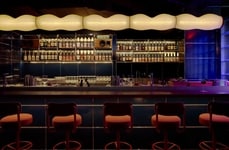 Modular Wall Cocktail BarsJosh Greenspan Wraps a Small NYC Bar in Swiss USM Panels
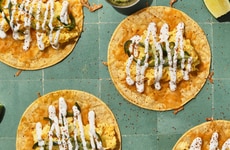 Interactive Brunch Cocktail ProgramsSnooze Eatery Adds DIY Mimosas And New Dishes
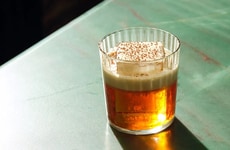 Soda Fountain Cocktail RevivalsTavern Next Door's Conor Johns Crafted a New White Russian
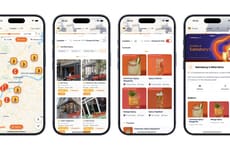 Real-Time Sunny Drink MapsCointreau Spicy Margarita Map Tracks London’s Sunniest Cocktail Spots
 Cosmo-Inspired Motel StaysCutwater Hosted the 'Press for Cosmo' Experience at the Beach Motel
 Transformable Outdoor Gear PrototypesPacifico Launched Pacifi-Go for Post-Adventure Hangs
Research
Bartender Basket
Consumers overwhelmed by choice increasingly outsource discovery to trusted real-world tastemakers.
Bartenders matter because they provide live validation, social proof, and context in a way shelves and ads often cannot, making the path from sip to purchase much shorter.
Bar Shelf Drift
Consumers want the thrill of adventurous nightlife flavors without needing a bartender, a reservation, or high trial risk.
Packaged formats let them access novelty in a controlled way, turning once-niche on-premise ideas into low-friction everyday experimentation.
Lifestyle Wine Worlds
Consumers increasingly want brands to do more of the contextual work for them.
When a beverage comes with its own soundtrack, venues, and occasions, the decision feels easier and more expressive. This is especially important in crowded categories where the product alone may be hard to differentiate on shelf.
Cocktail Shortcut
When consumers feel price- and choice-sensitive, they do not want to learn a new liquid vocabulary just to try something fun.
Classic cocktail names reduce cognitive risk, letting the format feel new while the flavor idea stays comfortably legible.