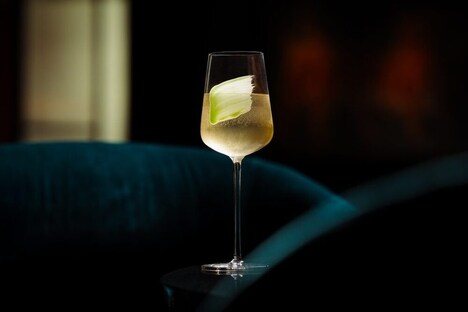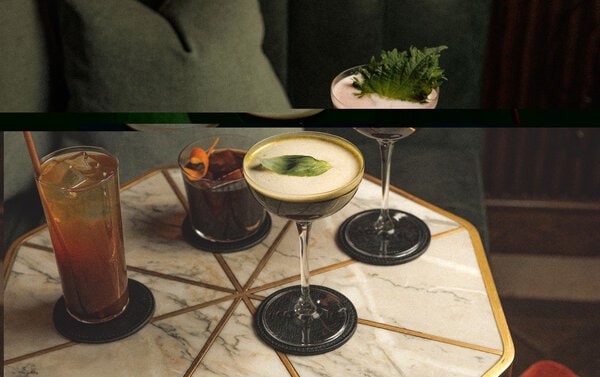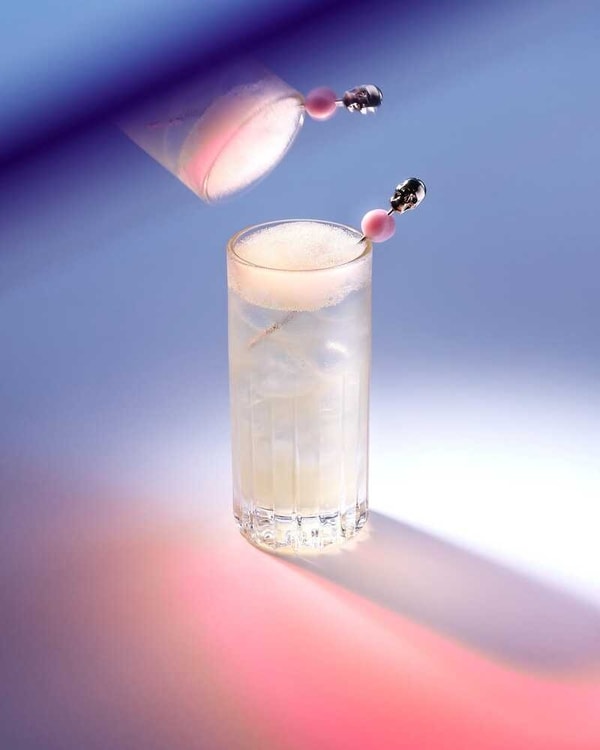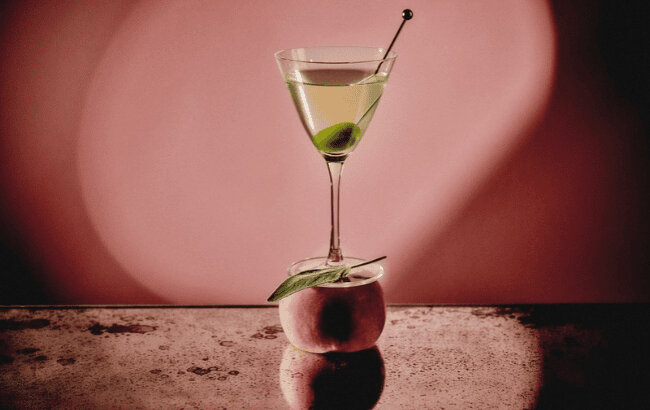
Pérola has introduced 'Not as it Seems,' a cocktail menu that keeps the familiar silhouette of classics while reimagining what they taste like. Guests still get drinks that read as an Espresso Martini, Dirty Martini, or Old Fashioned, but the liquids inside are rebuilt around unexpected ingredients and include a low- or no-alcohol option.
The menu includes eight serves, and each can be poured without alcohol. That range lets the bar keep the same visual cue across the list while giving drinkers a clearer way to choose by strength, not just by style.
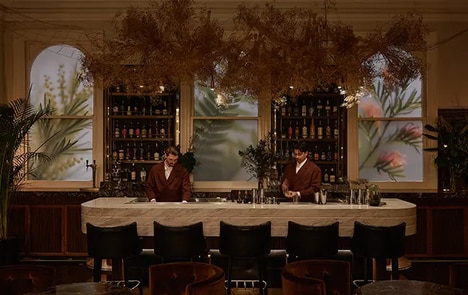
At Pérola on the 15th floor of Art'otel Battersea, the format turns recognizable cocktails into a small game of recognition and surprise. It also broadens the menu's reach, since the same concept works for guests who want a full-strength drink and those managing intake.
Image Credit: The Spirits Business
What's Driving This Trend
- Familiar-form Mixology
- Classic cocktail silhouettes paired with unexpected flavor builds create room for bars to deliver novelty without sacrificing customer recognition.
- Flexible-abv Menus
- Menus designed around full-strength, low-alcohol, and no-alcohol versions reflect a growing shift toward strength-based choice in hospitality experiences.
- Sensory Misdirection
- Drinks that look like known classics but taste surprising introduce playful discovery as a differentiator in premium beverage programs.
Who This Affects Most
- Cocktail Bars
- High-end bars can use recognizable formats with unconventional ingredients to balance experimentation, accessibility, and guest engagement.
- Non-alcoholic Beverages
- The rise of alcohol-free versions of classic serves expands demand for sophisticated adult drinks that match the visual and ritual cues of cocktails.
- Hospitality Experiences
- Restaurants, hotels, and rooftop venues benefit from beverage concepts that turn menu selection into an interactive and inclusive experience.