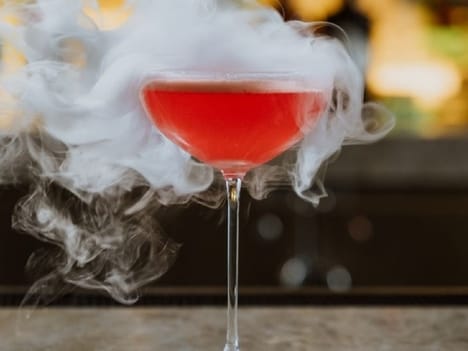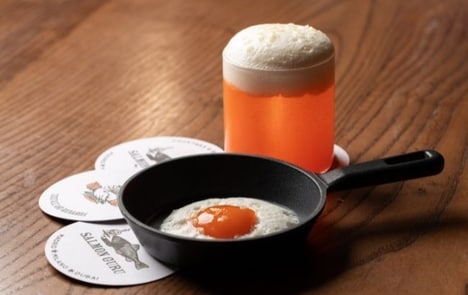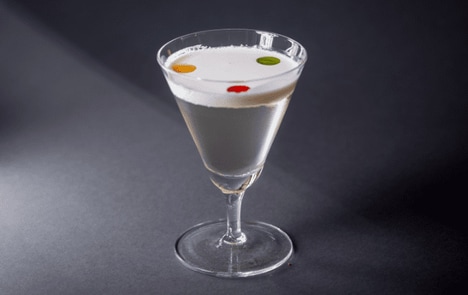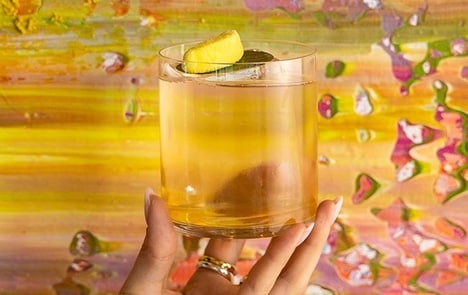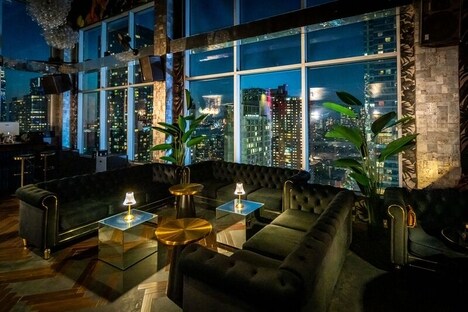
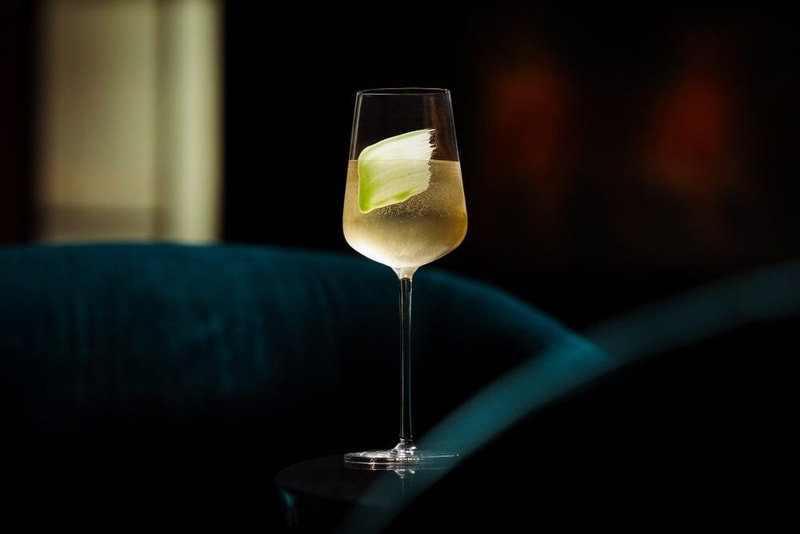
MO BAR Singapore launched Vol. 7 of its Modern Localism series on 24 February 2026, a 15-drink menu called The City of Art that maps a day in the city through collaboration, featuring contributions from 11 local creators. The lineup pairs the bar’s bartending with perfumers, designers, chefs, and musicians, designed to evoke morning rituals, daytime pauses, and late-night industry moments.
Highlights range from Sifr Fizz, an aromatic highball made with Sifr Aromatic’s hydrosol, to Velour Kiss, a chamomile and bee pollen gin served developed with La Dermalogique. Evening options include Jo-hwa, a matsutake-infused gin cocktail with ANJU, and a renewed Reclaimed Sling 3.0 reinterpretation of the Singapore Sling.
For curious drinkers, the menu turns city storytelling into a tasting experience: each serve translates a collaborator’s craft into flavors and rituals, reinforcing a wider trend of locality-led, cross-disciplinary cocktail programs.
Image Credit: MO BAR Singapore
What's Driving This Trend
- Cross-disciplinary Beverage Design
- Collaborations between bartenders and creators from design, perfumery, music, and culinary arts enable multi-sensory cocktail experiences that blur category boundaries and create new premium consumption formats.
- Locality-led Culinary Storytelling
- Menus that map a city’s rituals and ingredients into narrative tasting journeys present opportunities to monetize provenance and hyper-local sourcing as experiential brand differentiators.
- Sensory-perfume Mixology
- The integration of hydrosols, aromatic distillates, and perfumery techniques into drinks suggests novel product lines and sensory-driven services that reframe flavor as olfactory design.
Who This Affects Most
- Hospitality and Bars
- Boutique bars and hotel outlets are positioned to become cultural hubs where curated collaborations and limited-edition menus drive higher-margin experiences and loyalty.
- Perfumery and Fragrance
- Fragrance houses can extend into edible and beverage-compatible aroma products, creating new revenue streams through B2B ingredient partnerships and co-branded sensory offerings.
- Food and Beverage Technology
- Tech firms focused on ingredient traceability, micro-batch production, and sensory mapping could enable scalable distribution of artisan cocktail components and experiential kits.